Ranga Brand Guidelines
The hand-turned ebonite.
Aa
Two constants: an ebonite-ochre palette and a warm sans register. Abstract homage — not a Ranga pen or wordmark.
The hand-turned ebonite
Ranga hand-turns ebonite fountain pens, made to order, in Tamil Nadu, India.
Ranga is a lesson in a hand craft as the identity. A family workshop in Tamil Nadu, it hand-turns fountain pens from ebonite — hard rubber — on a lathe, to order and affordably, one of India’s most respected ebonite workshops. A pen, hand-turned in India.
Its identity is the hand-turned ebonite. Ranga’s handmade, made-in-India ebonite pens, in many shapes and mottled colours, are the work it is known for. A material and a hand, made a signature. A workshop turning pens for over fifty years.
(Honest notes, so the story stays precise. Ranga was founded in 1970 by M. S. Pandurangan in Thiruvallur, near Chennai, who learned pen-making as a teenager on a foot-lathe; it is run today with his son M. P. Kandan. The bodies and caps are genuinely hand-turned in India, in ebonite as well as acrylic and celluloid — this is a real hand craft, not an assembly line. One honest caveat: the nibs are third-party units, fitted from German makers such as Bock and JoWo, so “handmade” describes the ebonite body and section, not the nib. Its designs are its IP, described but never reproduced, and there is no official brand hex — these tones are an unofficial interpretation. This is design commentary and does not promote any product.)
Colour
Ranga lives in an ebonite-ochre palette. Click a swatch to copy the hex.
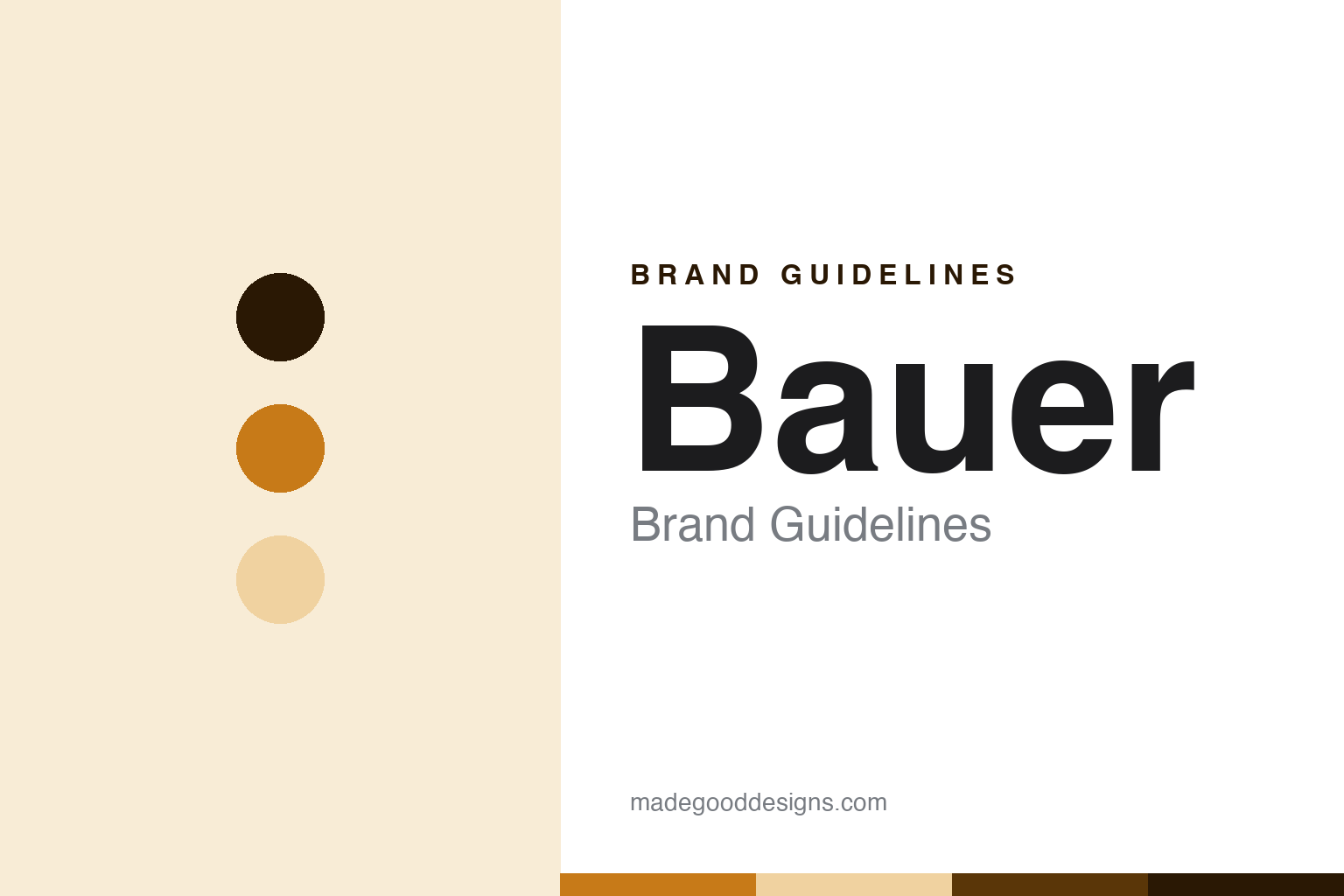
Ranga’s identity is warm, handmade and Indian — an ebonite ochre, an ink, a cream, a green, and a chalk. The palette leans ebonite ochre and cream: the register of mottled hard rubber turned by hand. It signals craft and warmth over polish. The honest caveat: with no published brand hex, these values are an original, unofficial interpretation, not first-party colours.
The lesson is an ebonite-ochre palette signals a warm, handmade identity. Ranga’s world is a hand-turned, made-in-India, ebonite object. For designers, it is a reminder that a warm ochre and a soft cream can carry a brand built on a material and a hand — the ochre of mottled ebonite and the cream of turned hard rubber. Because these tones can fail as small text, keep type dark and let the colour live in the accents, palette and band. The takeaways: turn it by hand; keep it in India; be honest about the nib; and treat any single hex as unofficial.
Typography
The register is a warm sans — friendly, honest, unfussy.
Ranga’s identity carries a friendly, honest, unfussy spirit — a handmade object, not a luxury one. A warm sans captures the mood: rounded, even and approachable, the register of an affordable hand-turned pen. Set in an ebonite-ochre palette, the warm sans feels friendly and honest — exactly the personality Ranga carries. It is unfussy rather than grand, mirroring a made-to-order workshop pen. (Ranga’s real designs and wordmark are things we describe but do not reproduce, and the exact typeface is not ours to use.) Because it is not ours to use, the honest description is “a warm-sans spirit,” shown here in a stand-in. The type behaves like the maker: friendly, honest and unfussy.
Aa
A warm-sans spirit — friendly and honest. (Specimen set in Hanken Grotesk, a warm-sans STAND-IN; NOT the Ranga wordmark or any pen design.)
A hand craft as identity
Ranga stands for the hand-turned ebonite.
Ranga is a lesson in making a hand craft the identity. An ebonite-ochre palette, a warm sans and hand-turned pens make one craft the whole maker — warm, handmade and Indian. The craft is the differentiator. The differentiator is a genuine skill — hand-turning ebonite pens to order in a family workshop in Tamil Nadu, affordably, for more than fifty years.
Put to work, the identity is a hand craft as design. A maker building in this spirit would keep the turning by hand, make to order rather than to stock, and be honest about which parts it makes, so the customer buys into a genuine hand craft rather than a mass product. It would treat the ebonite and the lathe as the point, so that each pen carries a maker’s hand. It would say plainly that the nib is bought in. The lesson Ranga teaches is that a hand craft can build a brand: the turning gives it soul, and the Indian making gives it authenticity. The craft is the personality, and the hand is the proof.
For designers and brand-builders, Ranga offers a clear takeaway: keep the craft in the hand, and be honest about the rest. The lessons: turn it by hand; make to order; keep it in India; and be clear about the nib. It is also a reminder to stay precise: Ranga is a family workshop founded in 1970 by M. S. Pandurangan in Thiruvallur, hand-turning ebonite pens with his son today — with the palette here an unofficial interpretation. Ranga made the hand-turned ebonite the maker — proof that a hand craft can be the difference.
Explore & save
Keep Ranga’s identity on hand — save it to a board in the Made Good inspiration library.
Ranga identity set
Pin the ebonite-ochre palette and the warm-sans register to your own board.