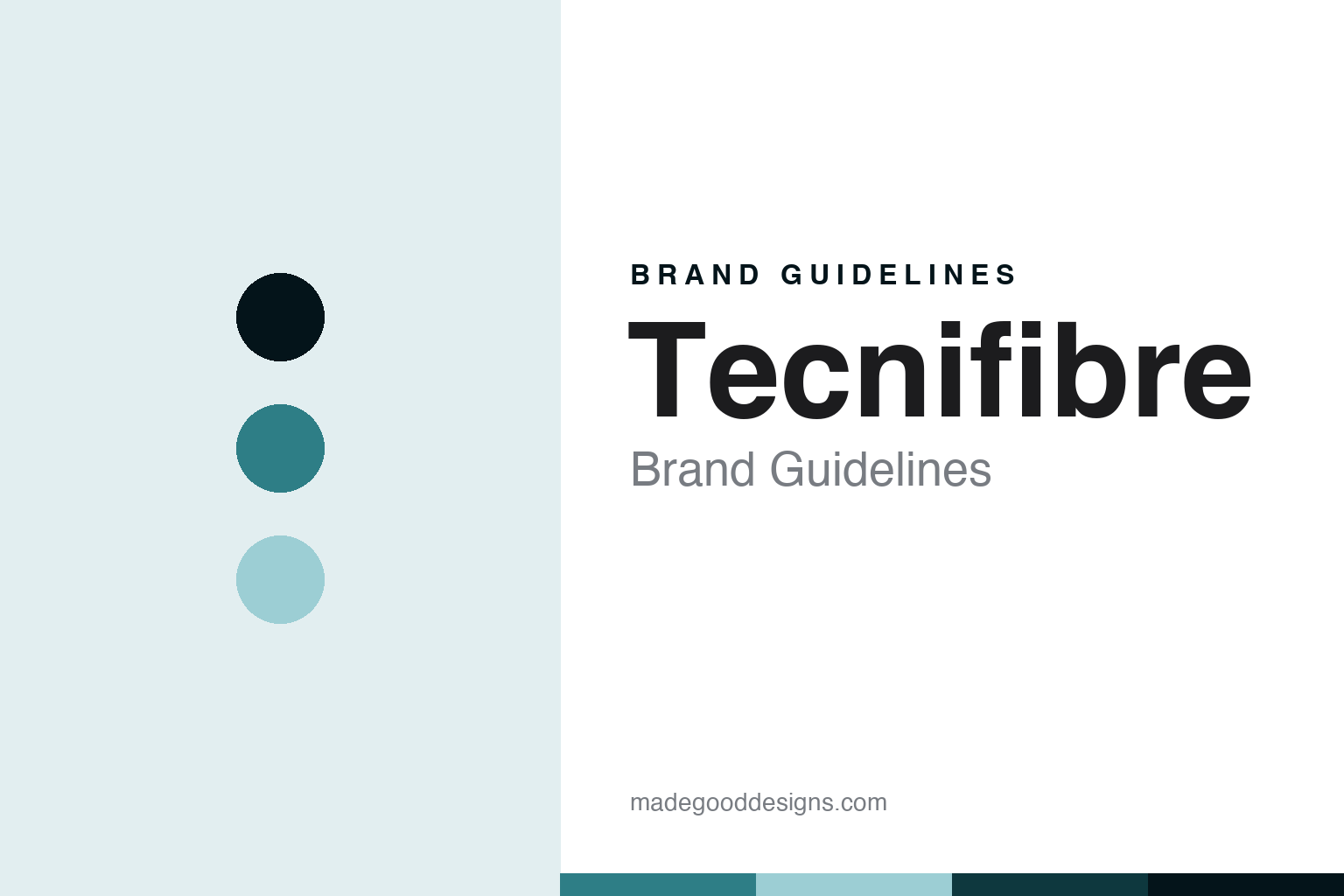
Tecnifibre Brand Guidelines
The French string house of Lacoste’s group.
Aa
Two constants: a string-teal palette and a string-sans register. Abstract homage — not a Tecnifibre product or mark.
The French string house of Lacoste’s group
Tecnifibre is the French string-first racket and squash brand — part of the Lacoste / Maus Frères group.
Tecnifibre closes the round as the string house — the French brand that began as a string specialist, grew into rackets and became a squash leader, and now sits inside the Lacoste and Maus Frères group. Tecnifibre makes strings, rackets and squash gear, and its answer to a round about the racket makers is a string-first heritage that echoes Babolat: a company that started with the string and added the frame. A brand, from the string.
Its identity is the French string house of Lacoste’s group. Tecnifibre’s strings, its squash leadership and its Lacoste-group ownership are the story here. A brand, string-first. The French string house of Lacoste’s group.
(Honest notes, so the story stays precise. Tecnifibre — at tecnifibre.com — was founded in 1979 in France by Thierry Maissant, who remains CEO, near Paris, and began as a string specialist, known for polyurethane multifilament strings, its signature technology branded PU400, before entering the racket market in 2004; it makes the T-Fight and Tempo rackets, is a leading squash brand with lines such as Carboflex, and now makes padel and pickleball. On where it is made — a theme of this round — we do not claim French manufacture, since the geography is not publicly specified. On ownership, it is part of the Lacoste group, which acquired a majority stake in 2017, under the Swiss family holding Maus Frères, which also owns Lacoste, Gant and Aigle. Its string-first heritage parallels Babolat’s, the two French string houses in this round. Player associations, such as Daniil Medvedev and Iga Świątek, are public facts. In 2024 it launched X-Loop products made from recycled tennis strings. Its logo and racket names are IP we describe but do not reproduce; there is no official brand hex; these tones are an unofficial interpretation. This is design commentary.)
Colour
Tecnifibre lives in a string teal. Click a swatch to copy the hex.
Tecnifibre’s identity is string-first, French and group-owned — a string teal, an ink, an aqua, a deep teal, and a paper. The palette leans string teal and aqua: a clean, technical register that nods to multifilament strings and a squash court rather than a loud palette. It signals a string-first specialist. The honest caveat: with no published brand hex, these values are an original, unofficial interpretation, not first-party colours.
The lesson is a string teal signals a string-first, technical identity. Tecnifibre’s world is a string-first, made object. For designers, it is a reminder that a clean teal and a soft aqua can carry a sports brand — the tone of a multifilament string. Because these tones can fail as small text, keep type dark and let the colour live in the accents, palette and band. The takeaways: start with the string; lead a niche like squash; be honest about unverified making; and treat any single hex as unofficial.
Typography
The register is a string sans — technical, string-first, plain.
Tecnifibre’s identity carries a technical, string-first, plain spirit — a string specialist, not a fashion. A string sans captures the mood: clean, precise and modern, the register of a multifilament-string house. Set in a string-teal palette, the string sans feels technical and string-first — exactly the personality Tecnifibre carries. It is a string heritage rather than a logo, mirroring multifilament. (Tecnifibre’s real logo and racket names are things we describe but do not reproduce, and the exact typeface is not ours to use.) Because it is not ours to use, the honest description is “a string-sans spirit,” shown here in a stand-in. The type behaves like the brand: technical, string-first and plain.
Aa
A string-sans spirit — technical and string-first. (Specimen set in Mulish, a string-sans STAND-IN; NOT the Tecnifibre logo.)
The racket makers
Tecnifibre stands for the French string house of Lacoste’s group.
Tecnifibre closes the round as the string house. A string-teal palette, a string sans and a multifilament heritage make one thing — the French string house of Lacoste’s group — the whole identity: string-first, French and group-owned. The string origin is the differentiator, and the squash leadership and Lacoste-group ownership are the meaning. The point is a French brand that started with the string, added the frame in 2004, led squash, and joined the Lacoste and Maus Frères group.
Put to work, the identity is a string-first heritage told straight, as design. A maker in this spirit would start with the string, lead a niche, and be honest about unverified making. A reader in this spirit would keep the facts right: Tecnifibre was founded in 1979 in France by Thierry Maissant, still CEO, as a string specialist with its PU400 polyurethane technology, entering rackets in 2004; it makes the T-Fight and Tempo and leads squash with Carboflex; its manufacturing geography is not publicly specified, so no French-made claim is asserted; and it is part of the Lacoste group under Maus Frères, from a 2017 majority stake. Tecnifibre closes the round’s string-first thread with Babolat and Wilson, the third string-maker turned racket power, and its ownership sits with the corporate owners. The honest editorial moves are to date the founding to 1979, to name PU400 as the string tech, to not claim French making, and to state the Lacoste and Maus Frères ownership. The lesson Tecnifibre teaches is that a string-first heritage can be a whole identity, and honesty about the unverified making keeps the heritage credible.
For designers and brand-builders, Tecnifibre closes the racket makers: start with the string — and lead a niche. The lessons: build from a component like string; enter the main product later; lead a niche like squash; be honest when making geography is unspecified; and never reproduce a logo. It is also a reminder to stay precise: Tecnifibre is the French string-first racket and squash brand, part of the Lacoste and Maus Frères group — with the palette here an unofficial interpretation. Read that way, Tecnifibre is less a racket than a string: a French specialist that added the frame, closing the round the way it opened, on string. The lesson for a brand is that a string-first heritage and honest making reinforce each other, and naming the Lacoste group keeps the heritage earned. Tecnifibre made the-French-string-house-of-Lacoste’s-group the identity — proof that a string can define a brand.
Explore & save
Keep Tecnifibre’s identity on hand — save it to a board in the Made Good inspiration library.
Tecnifibre identity set
Pin the string-teal palette and the string-sans register to your own board.