Vintage Color Palettes (With Hex Codes)
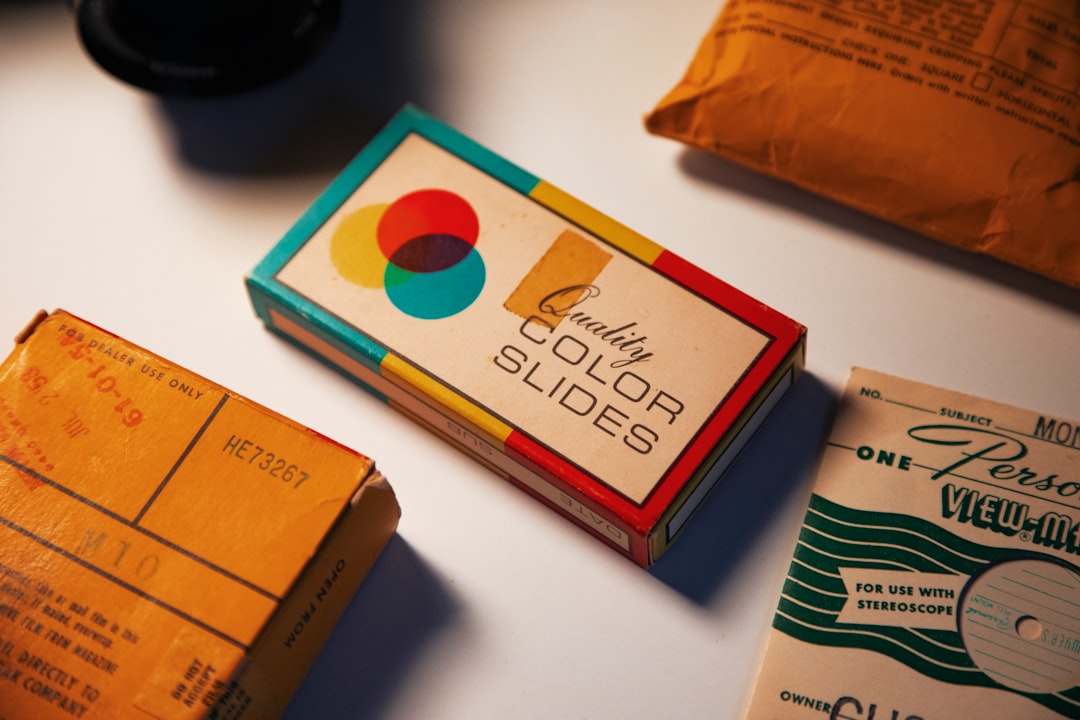
A vintage color palette recreates the look of colors softened by time — sun-faded, slightly grayed, and warm. The guiding principle is desaturation: take a classic hue and dial down its intensity so it feels weathered rather than new.
What makes a color palette “vintage”?
Vintage palettes are defined by muted saturation and warm, aged undertones. Where retro palettes celebrate the bold colors of a decade, vintage colors look like those same hues after years of fading — dusty roses, sepia browns, antique golds, and grayed teals. A subtle yellow or gray cast across the palette mimics aged paper, faded photographs, and old printing inks, giving designs an instant sense of history and nostalgia.
Sepia Archive
Warm browns and aged cream that evoke old photographs and letterpress. Perfect for heritage, publishing, and museum brands.
Hex: #70543E, #A8855F, #CBB089, #EFE4D0 — use the cream as aged paper and dark brown as ink.
Dusty Rose
Soft, grayed pinks with a romantic, faded quality. Lovely for weddings, boutiques, and vintage fashion.
What separates dusty rose from a modern blush is the gray in its mix — that desaturation is what makes it feel remembered rather than new. Use the pale #EDDCDB as your aged-paper background, let #CB9AA0 carry large romantic fields, and reserve the muted mauve #8A6F6B for type and grounding so the softer pinks do not float. Because the whole range shares a cool, dusty undertone, it pairs beautifully with antique brass, pressed-flower motifs, and a delicate serif, all of which lean into the heirloom, keepsake quality that wedding and boutique brands trade on.
Hex: #B07A85, #CB9AA0, #8A6F6B, #EDDCDB — the muted mauve grounds the soft pinks.
Faded Teal
Grayed blue-greens reminiscent of weathered enamel and old postcards. Great for travel, coastal, and retro brands.
Hex: #4E7C7B, #7BA3A0, #B5CBC6, #E4DCC8 — pair deep teal with warm cream for a postcard look.
Antique Gold
Tarnished golds and warm bronze that suggest old frames and gilded books. Ideal for luxury heritage and editorial.
Hex: #B69257, #8C6E3C, #5C4A2E, #E6D8B8 — let the muted gold accent dark brown for a gilded feel.
Muted Navy & Wine
Deep, grayed navy paired with faded wine red — moody and refined for heritage menus, books, and packaging.
Hex: #34465B, #5F7186, #8A4A52, #DED4C2 — navy for type, wine for accents, cream to lift it.
Vintage Botanical
Soft moss greens and dusty cream evoking pressed flowers and old field guides. Perfect for organic and apothecary brands.
Hex: #6E7A52, #97A176, #C2A65A, #EAE3CC — moss greens lead, antique gold adds a warm spark.
How to use vintage palettes in your designs
Layer a unifying warm cream or sepia background under everything so the whole composition reads as aged, and keep saturation consistently low across the palette — one vivid color will instantly break the illusion. Subtle grain, paper textures, and classic serif typography reinforce the period feel. To understand why these faded hues feel nostalgic, see color psychology, and for the hue relationships underneath them read our color theory guide. For bolder period color, compare these with retro color palettes.
Frequently Asked Questions
What is a vintage color palette?
A vintage color palette uses faded, muted, warm-toned colors that look softened by age, like old photographs or aged paper. Hues such as dusty rose, sepia brown, antique gold, and grayed teal carry low saturation and a subtle yellow or gray cast, giving designs an instant sense of history and nostalgia.
What’s the difference between vintage and retro colors?
Retro colors are the bold, saturated hues of a specific decade — 70s avocado, 80s neon. Vintage colors look like those same hues after fading over time: dustier, grayer, and warmer. In short, retro is loud and decade-specific, while vintage is soft, weathered, and evokes age rather than a particular era.
How do I make colors look vintage?
Lower the saturation, add a warm or gray cast, and lighten the palette toward aged cream rather than pure white. A subtle yellow overlay, paper texture, and grain reinforce the effect. Keeping every color equally muted is key — a single vivid hue will make the palette look modern instead of weathered. In practice, sample a color you like, then drag its saturation down and its hue a touch toward yellow before lightening it, which mimics how pigments oxidize and fade with sun exposure over decades.
What colors are popular in vintage design?
Common vintage colors include dusty rose (#B07A85), sepia brown (#70543E), faded teal (#4E7C7B), antique gold (#B69257), and muted navy (#34465B). Warm creams and aged off-whites tie these together. Anything that feels gently faded, warm, and low in saturation fits the vintage aesthetic.
Are vintage palettes good for branding?
Yes, particularly for heritage, artisan, publishing, apothecary, and boutique brands that want to signal craftsmanship and timelessness. Vintage palettes convey trust and authenticity. Pair them with classic typography and tactile textures, and add one slightly stronger accent for buttons and links so the design stays usable.