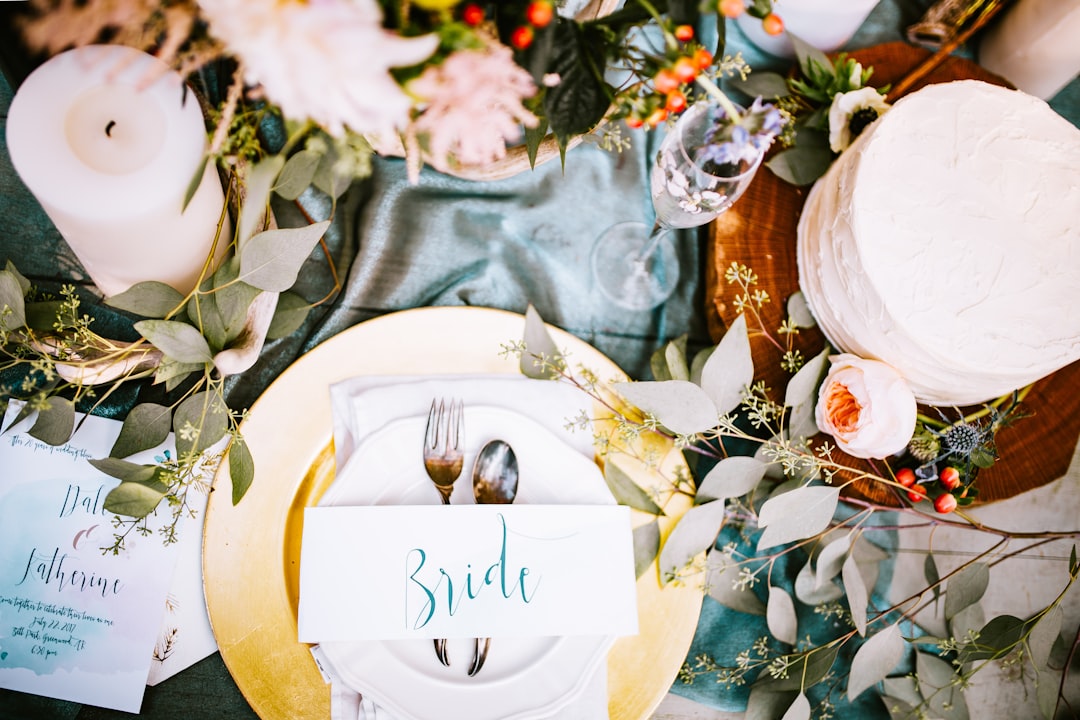
Color Palettes for Weddings (With Hex Codes)
Your wedding palette ties together everything guests see — invitations, florals, table linens, bridesmaid dresses, and the cake. Choosing a cohesive set of color palettes for weddings early makes every later decision easier and keeps the day feeling intentional. The principle: pick two anchor colors that match your season and venue, then layer in a metallic or neutral to bring them together.
How to choose a wedding color palette
Start with three to four colors: a dominant tone, a complementary partner, an accent, and a neutral. Let the season guide you — soft pastels for spring, bright tones for summer, warm jewel hues for fall, and icy blues or deep greens for winter. Consider your venue’s existing colors so your palette harmonizes rather than clashes. A metallic like gold or champagne adds polish to almost any combination. For the theory behind pairing hues, see our guide to complementary colors.
Blush Romance
Soft, feminine, and endlessly popular for spring and garden weddings. Blush reads as tender and dreamy without feeling overly sweet.
Hex: #F7D9D9, #E8B4B8, #FAF3EF, #C9A36A — #E8B4B8 for florals and bridesmaids, #FAF3EF for linens, and #C9A36A gold accents on stationery.
Sage Greenery
Earthy, calm, and effortlessly modern — sage suits botanical, outdoor, and minimalist weddings year-round.
Hex: #9CAF88, #6B7D5B, #F4F1E8, #D9C7A8 — #9CAF88 leads in greenery and table runners, #F4F1E8 cream linens, #D9C7A8 warm neutral accents.
Dusty Blue & Slate
Serene and sophisticated, dusty blue is a top pick for spring and winter weddings that want understated elegance.
Hex: #A7BCD0, #5E7790, #EEF2F5, #C0A062 — #A7BCD0 for dresses and florals, #5E7790 for depth, #C0A062 antique-gold accents. See more shades of blue.
Burgundy & Gold
Rich, romantic, and dramatic — the definitive choice for autumn and winter weddings with a luxe feel.
Hex: #6E1423, #A13347, #C9A227, #F3ECDF — #6E1423 anchors florals and linens, #C9A227 gold runs through stationery, #F3ECDF keeps it from feeling heavy.
Lavender & Lilac
Whimsical and fresh, soft purples bring a modern-romantic touch to spring and summer celebrations.
Hex: #CBB6E0, #9678B6, #F6F2F9, #A9C089 — #CBB6E0 for florals, #9678B6 for accents, #A9C089 green foliage to ground the purples.
Terracotta & Cream
Warm, sun-baked, and boho — terracotta suits desert, vineyard, and late-summer weddings beautifully.
Hex: #C8755A, #9E4F3A, #F0E6D6, #869A7A — #C8755A leads in florals and linens, #F0E6D6 cream backdrop, #869A7A muted-olive greenery.
Tips for using these wedding palettes
Choose one color as your hero and let the others support it rather than splitting attention evenly — this reads as intentional, not busy. Bring fabric swatches and printed samples into the actual venue lighting, since colors shift dramatically between daylight and candlelit receptions. Share exact hex codes with every vendor so the blush in your invitations matches the blush in your bouquets. For more on how colors set mood, explore color psychology.
Frequently Asked Questions
How many colors should a wedding palette have?
Three to four colors is the sweet spot: one dominant, one or two complementary shades, and a neutral or metallic. This gives you enough range for florals, linens, attire, and stationery without looking cluttered. Adding a metallic like gold or champagne instantly elevates almost any combination.
What are the most popular wedding colors?
Blush pink, sage green, dusty blue, and burgundy consistently rank as favorites. Blush and sage dominate spring and summer for their soft, natural feel, while burgundy paired with gold is the go-to for fall and winter. Neutrals like cream and champagne appear in nearly every popular palette.
How do I pick wedding colors for my season?
Match your palette to nature’s cues: pastels and fresh greens for spring, bright corals and blues for summer, rust and burgundy for fall, and deep emerald or icy blue for winter. Seasonal alignment also makes flowers easier and cheaper to source, since in-season blooms naturally fit the scheme.
Should wedding colors match the venue?
Yes — consider the venue’s existing walls, carpets, and architecture so your palette harmonizes instead of clashing. A neutral barn or blank ballroom gives you freedom, while a richly decorated space may call for a more restrained palette that complements what’s already there.
How do I make my wedding colors look cohesive?
Pick one hero color and repeat it across multiple touchpoints — invitations, bouquets, table runners — so the eye keeps recognizing it. Use exact hex codes with all your vendors, and tie everything together with a shared neutral and a single metallic accent for a polished, unified look.


