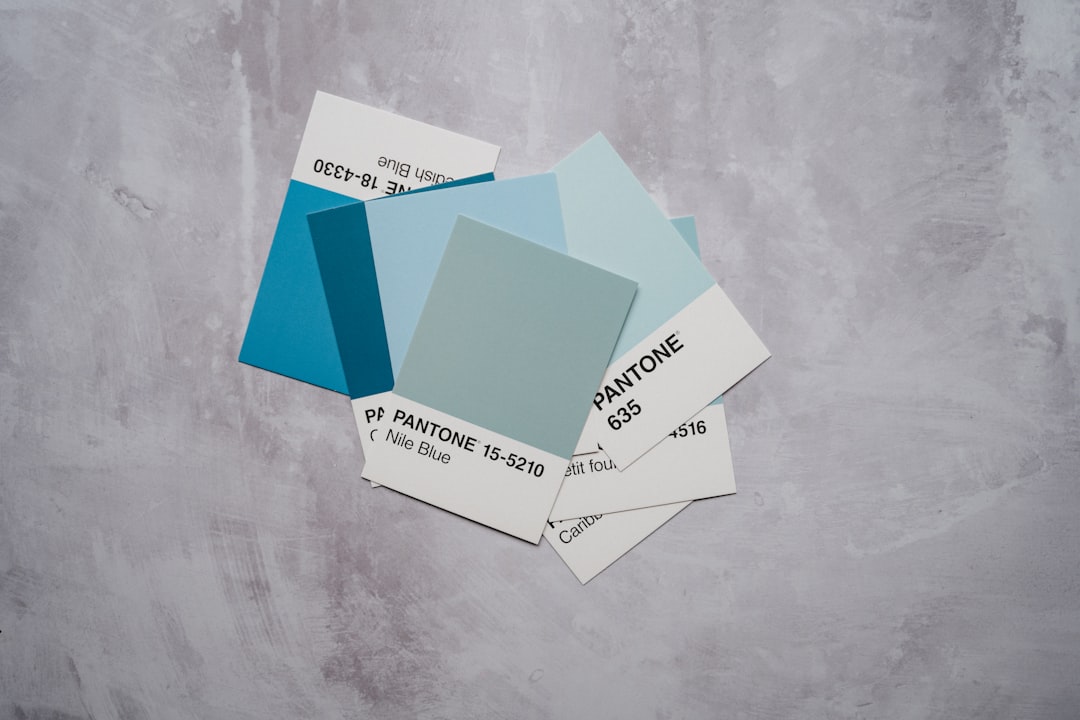
Colors That Go With Slate Blue
Slate blue is a muted, dusty blue with a soft violet undertone — calm, refined, and easy to live with. The best colors that go with slate blue are soft warm tones like blush and cream, metallics like gold, and crisp neutrals such as white and charcoal, with rust for bold contrast. Below are exact hex codes, ready palettes, and notes on using slate blue in branding, web design, and interiors.
What colors go with slate blue?
Slate blue (around #6A5ACD) is a soft blue-violet. Because it’s muted and cool, it pairs best with warm accents that lift it and neutrals that let it breathe. The strongest matches are:
- Blush (#F4C2C2) — a soft warm pink that gives slate blue gentle, romantic contrast.
- Cream (#F5EFE6) — a warm neutral that softens slate blue and adds light without going stark white.
- Gold (#C9A227) — a warm metallic that lifts slate blue into a refined, slightly luxurious pairing.
- White (#FFFFFF) — a clean neutral that makes slate blue look crisp, airy, and modern.
- Charcoal (#36454F) — a near-black neutral that grounds slate blue and keeps a palette modern and bold.
- Rust (#B7410E) — a warm orange-red near slate blue’s complement that gives the boldest, most striking contrast.
Best color combinations for slate blue
Slate blue sits in the blue-violet zone, which makes warm oranges like rust its natural complementary colors and the source of its strongest contrast. Blush is a soft warm partner, while white, cream, and charcoal act as neutral anchors and gold supplies a refined accent. If you’re deciding exactly which muted tone you have, our slate vs gray comparison and shades of slate guide help you place the color before building a palette.
Slate blue + blush + cream (soft and romantic)
The most calming pairing. Blush warms slate blue, cream lightens the scheme, and the result feels gentle and refined — a go-to for editorial, wedding, and lifestyle branding.
Slate blue + gold + white (refined and modern)
Gold lifts slate blue with a touch of luxury while white keeps it crisp. An elegant, contemporary combination for beauty, tech, and premium design.
Slate blue + rust + charcoal (bold and grounded)
Rust gives slate blue striking complementary contrast while charcoal anchors it. A confident, grounded scheme for packaging, posters, and statement branding.
Slate blue palettes with hex codes
| Pairing color | Hex | Why it works / mood |
|---|---|---|
| Blush | #F4C2C2 | Soft warm pink; romantic contrast |
| Cream | #F5EFE6 | Warm neutral; soft lightener |
| Gold | #C9A227 | Warm metallic; refined accent |
| White | #FFFFFF | Clean neutral; crisp and airy |
| Charcoal | #36454F | Dark neutral; modern and bold |
| Rust | #B7410E | Warm complement; striking contrast |
| Gray | #8A8D91 | Neutral balance; quiet and modern |
Three ready palettes to copy:
- Soft romantic: Slate blue #6A5ACD · Blush #F4C2C2 · Cream #F5EFE6 · Gray #8A8D91
- Refined modern: Slate blue #6A5ACD · Gold #C9A227 · White #FFFFFF · Charcoal #36454F
- Bold grounded: Slate blue #6A5ACD · Rust #B7410E · Charcoal #36454F · Cream #F5EFE6
How to build a balanced slate blue palette
Slate blue is muted and cool, so it works well as a dominant or mid-tone with warm accents and neutrals around it. A reliable structure is roughly 30–50% slate blue, 40–60% neutral (white, cream, or charcoal), and 10% a warm accent like blush, gold, or rust. That warm note is what keeps a slate blue scheme from reading flat or chilly.
Slate blue’s undertone changes its best partners. A more violet slate blue loves blush, gold, and cream for warmth, while a grayer, bluer slate leans toward white, charcoal, and silver. Hold your tone against both a blush and a rust swatch to see which direction flatters it before committing. Knowing whether your scheme leans warm or cool also helps — see warm vs cool colors.
A reliable way to test a slate blue palette is the 60-30-10 rule: 60% dominant, 30% secondary, 10% accent. Slate blue works well as the 60% dominant against a 30% neutral like cream or white, with a 10% gold or rust accent that supplies the spark. As a softer secondary, slate blue also calms warm-dominant palettes without overpowering them.
Because slate blue is a mid-tone, it carries white or cream text well but can lack contrast against lavender or periwinkle. For digital and brand use, set white or cream text on slate blue backgrounds, reserve rust for small accents, and check that charcoal or gold text keeps enough contrast to stay legible.
Colors to avoid with slate blue
Slate blue is muted and cool, so a few combinations fight it:
- Bright royal blue — too close in hue and far more saturated, so it overpowers slate blue’s softness.
- Neon or lime green — clashes harshly with slate blue’s dusty, refined tone and makes both look cheap.
- Muddy brown alone — a dull brown can make slate blue look gray and lifeless; cream, gold, or rust lift it far better.
Slate blue in branding vs interiors
In branding, slate blue signals calm, trust, sophistication, and reliability, which suits tech, finance, wellness, and lifestyle brands. Pair it with blush and cream for a soft identity or with gold and charcoal for a refined one, and use slate blue across primary surfaces. For the full process, see how to choose brand colors.
In interiors, slate blue makes a calming feature — walls, cabinetry, or upholstery — against white, cream, and natural wood. Brass and gold hardware bring out its refinement, while blush and rust accents add warmth. As a cool, muted color it works best balanced by warm accents and light neutrals; for grounding partners, see our neutral color palette guide. For a sibling pairing, see colors that go with teal green.
Frequently Asked Questions
What is the best color to pair with slate blue?
Blush (#F4C2C2) is the best everyday partner for slate blue because the soft warm pink gives gentle, romantic contrast. For more drama, rust sits near slate blue’s complement and makes the boldest pairing, while cream, white, and charcoal are the easiest neutrals to anchor the scheme.
Does slate blue go with gray?
Yes. Gray and charcoal are natural neutrals for slate blue because they share its cool, muted character and keep a palette refined. Cool grays read crisp and modern; very warm taupe-grays can dull it, so a more neutral or cool gray gives the cleaner result.
What colors go with slate blue for a wedding?
For a wedding, slate blue pairs beautifully with blush, cream, gold, and white. Blush and cream feel soft and romantic, gold adds elegance, and white keeps it airy. A slate-blue-and-blush palette with gold accents suits most spring and dusty-toned wedding schemes.
What is the difference between slate blue and slate gray?
Slate blue carries a clear blue-violet hue, while slate gray is a near-neutral with only a faint blue cast. They share many partners, but slate gray behaves more like a neutral, whereas slate blue reads as a true soft color. The same blush, cream, and gold pairings flatter both, just at different intensities.
Is slate blue a warm or cool color?
Slate blue is a cool color, since it blends blue with a touch of violet. That coolness is why warm partners like blush, gold, and rust balance it so well, supplying the warmth that keeps a slate blue scheme from feeling chilly, while white and charcoal keep it crisp and modern.


