Earth Tone Color Palettes (With Hex Codes)
An earth tone color palette is built from the colors of soil, stone, clay, and foliage. The guiding principle is warmth and muted saturation: every hue feels like it was dug from the ground or grown from it.
What makes a color palette “earth tone”?
Earth tones are warm, low-to-medium saturation colors inspired by natural materials — browns, terracottas, ochres, olives, sages, and sandy neutrals. They typically share a slightly desaturated, sun-baked quality that makes them feel organic and calming. Because they’re rooted in nature, earth tones harmonize easily with one another and pair beautifully with raw textures like wood, linen, and stone.
Terracotta Clay
Warm, rusty, and grounding — the signature earth-tone red. Perfect for artisan, pottery, and Mediterranean-inspired brands.
Hex: #C56B4B, #9E4A33, #E0A081, #F2E3D5 — use the mid terracotta as hero and the cream as canvas.
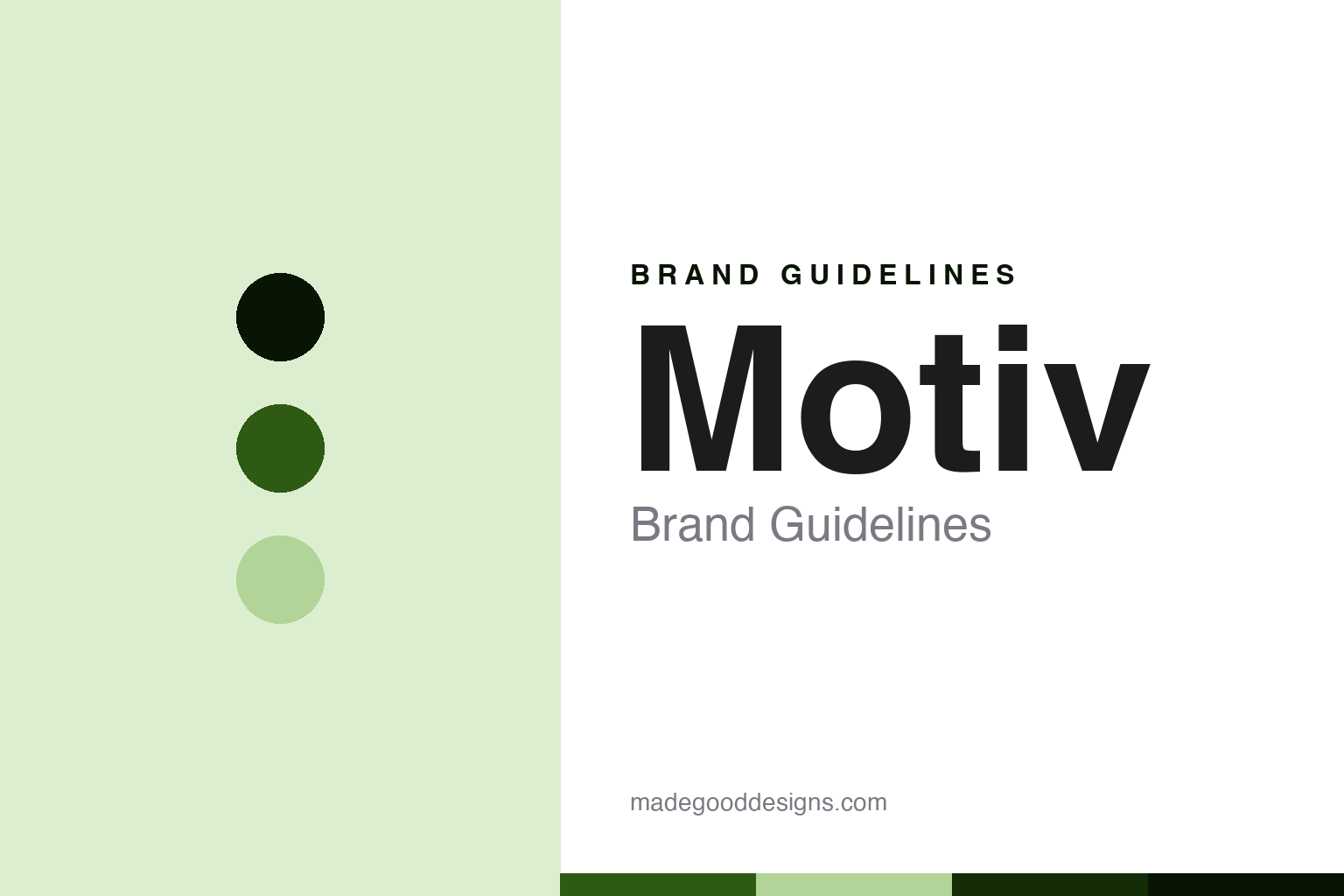
Olive Grove
Muted greens and golden olive that feel calm and mature. Great for skincare, food, and slow-living brands.
Olive works because it is a green with a yellow undertone, which keeps it warm and edible rather than cold and clinical — the reason it appears so often on natural food and supplement packaging. Use the deep #6B7140 as your primary for logos and headings, #8C9159 as a supporting field, the golden #B7A878 as a soft accent, and the oatmeal #E8E2CE as your canvas. Because olive borders on a neutral, it pairs effortlessly with raw kraft board, unbleached linen, and matte finishes, all of which reinforce the slow, considered mood these brands are reaching for.
Hex: #6B7140, #8C9159, #B7A878, #E8E2CE — the deep olive reads beautifully as a heading or logo color.
Desert Sand
Soft, sun-bleached neutrals with a warm beige core — quiet and timeless for fashion, interiors, and minimal brands.
Hex: #D9C3A3, #C2A878, #9C8460, #F4EDE1 — layer the tans from light to dark for subtle depth.
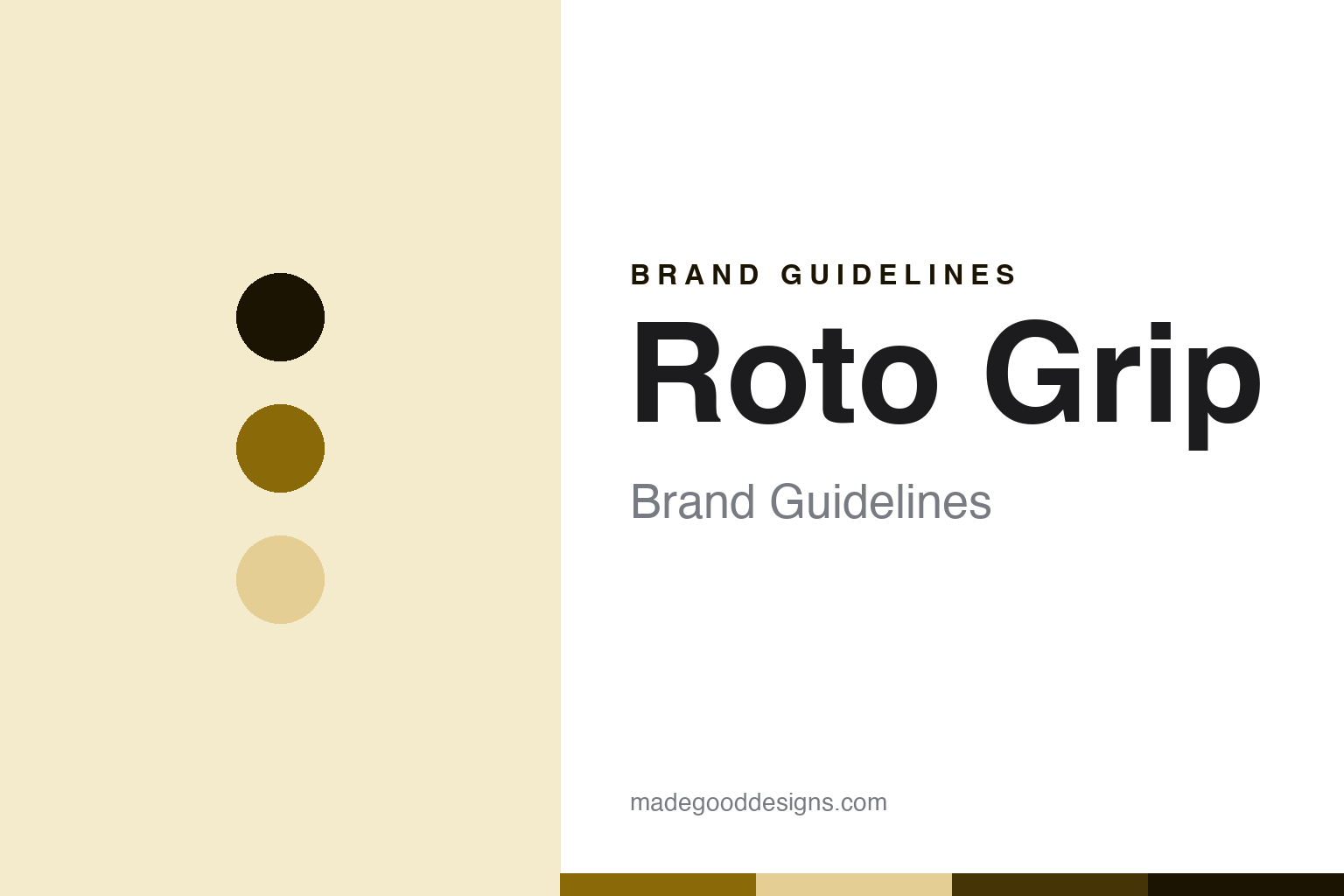
Ochre & Rust
Golden ochre meeting deep rust — rich, autumnal, and energetic. Ideal for coffee, craft, and editorial brands.
Hex: #CC8B26, #A85C28, #7C3B1F, #EAD3A5 — ochre carries highlights while rust anchors the design.
Sage & Stone
Cool muted sage paired with soft stone gray — serene and modern for wellness, ceramics, and minimalist interiors.
Hex: #A3B097, #7E8C72, #BFB8AC, #EDEAE2 — sage greens lead, stone neutrals keep it calm.
Forest Floor
Deep browns and woodland greens for a rich, grounded mood. Perfect for outdoor, leather, and heritage brands.
Hex: #3E2F23, #6B5235, #4F5D3A, #C9BBA0 — use the dark brown for type and tan for breathing room.
How to use earth tone palettes in your designs
Earth tones shine when paired with natural textures and generous neutral space, so let a sandy cream do most of the background work and reserve your richest browns or greens for type and accents. Mixing a warm hue (terracotta, ochre) with a cooler one (sage, olive) keeps the palette from feeling flat. Distribute them with intent: a 60-30-10 balance — neutral sand background, a single grounding hero like terracotta or deep brown, and a small accent of ochre or sage — reads as composed rather than muddy. Watch contrast for accessibility, since many mid-tone earth hues fail against cream for small text; reserve your darkest brown for body copy and let the lighter tones decorate. Earth tones also reproduce well in print, where their muted saturation hides the slight dulling that CMYK introduces, making them a forgiving choice for packaging and stationery. For more on combining warm and cool families, see warm vs cool colors, and for the foundations behind these harmonies read our color theory guide. If you want a softer, faded take on these naturals, the related vintage color palettes pair nicely.
Frequently Asked Questions
What are earth tone colors?
Earth tones are warm, muted colors drawn from natural materials — browns, terracotta, ochre, olive, sage, and sandy neutrals. They share a slightly desaturated, sun-baked quality that feels organic and grounding. Because they come from nature, earth tones harmonize easily and are popular in wellness, fashion, and interior design.
What colors are considered earth tones?
Common earth tones include terracotta (#C56B4B), olive green (#6B7140), ochre (#CC8B26), sand and tan neutrals (#D9C3A3), sage (#A3B097), and deep browns (#3E2F23). Anything that evokes soil, clay, stone, or foliage and carries a muted, warm character generally qualifies as an earth tone.
Do earth tones work for modern branding?
Absolutely. Earth tones have surged in popularity for wellness, skincare, food, and sustainable brands because they signal authenticity and calm. Paired with clean typography and plenty of whitespace, muted naturals feel both contemporary and timeless, avoiding the dated look that overly saturated colors can produce.
What colors pair well with terracotta?
Terracotta pairs beautifully with sage green, cream, deep brown, and soft blush. Sage offers a cool complement to terracotta’s warmth, while cream and tan provide breathing room. For more contrast, terracotta also works against teal or navy, creating a richer, more dramatic earthy palette.
Are earth tones warm or cool?
Most earth tones are warm — browns, terracottas, and ochres carry red and yellow undertones. However, the family also includes cooler naturals like sage and stone gray. The most balanced earth-tone palettes deliberately blend a warm hue with a cooler one to create depth without losing the grounded, natural feel.