NFT Art Design: Create and Sell
NFT art is, at its core, digital design plus a blockchain record of ownership. The craft that separates a successful collection from the thousands that vanish is the same craft as any good design project: a strong concept, a consistent system of traits and layers, and clean technical execution. This guide covers how generative collections are built, the file specs that matter, where they sell, and how royalties work.
A blunt caveat up front: the NFT market is highly volatile and full of scams and rug-pulls. Nothing here is investment advice, and there are no price predictions — design responsibly and tell collectors to verify everything. If you are building a project brand around this, start with our founder’s guide to startup branding, and read this with our crypto logo design guide for the token-and-wallet side.
One-of-One vs Generative Collections
There are two broad approaches. A one-of-one is a single original artwork minted as one NFT — closer to selling a digital painting. A generative collection (think PFP projects) assembles thousands of unique images programmatically from layered traits. Most “NFT projects” people picture are generative, so the design discipline below focuses there.
Designing Traits and Layers
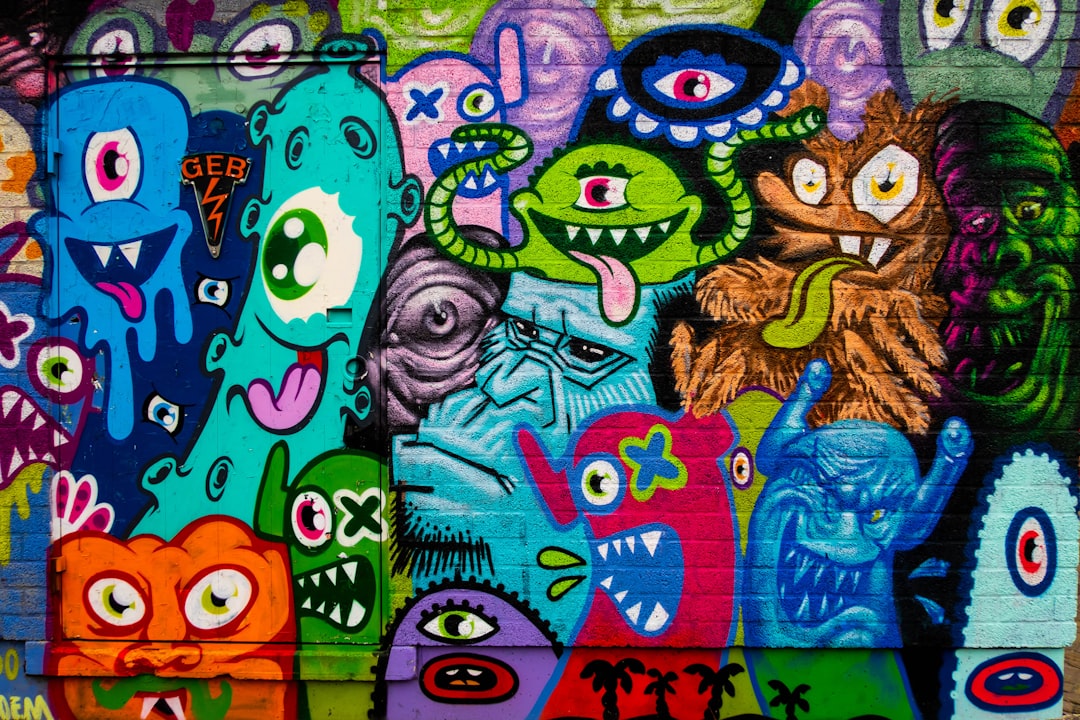
A generative collection is built from layers (background, body, eyes, clothing, accessories) each containing multiple traits (variations). Software combines them to produce unique tokens, with some traits made rarer than others to create a rarity hierarchy. The design challenge is making every combination look intentional.
- Define your layers and stacking order (what sits in front of what).
- Draw each trait on its own transparent layer, aligned to a shared grid and canvas.
- Plan rarity — assign weights so some traits appear far less often.
- Check combinations for clashes (a hat that collides with tall hair) and exclude bad pairs.
Consistency is everything: shared line weight, palette, lighting, and registration across every trait. The discipline mirrors building any visual identity system — a fixed set of rules so independent pieces still feel like one family.
Rarity design is a craft of its own. A flat distribution where every trait is equally common produces a boring collection with no standout pieces; a thoughtful rarity curve gives collectors something to chase and a reason to value certain combinations. Decide early which traits are “grails,” keep them genuinely scarce, and make sure the rare pieces actually look special rather than just statistically uncommon. A rare trait that nobody finds visually desirable adds nothing.
Watch the combinatorics carefully. With, say, six layers of ten traits each you can generate a million combinations, but most projects mint only a few thousand, so you are sampling a fraction of the possibility space. Run the generator, then actually look at a large random sample — clashing layers, broken alignment, and accidentally-cursed combinations are common and need either exclusion rules or manual fixes before mint. The generator handles volume; your eye still has to handle quality control.
Generative Tooling
Most creators draw traits in Adobe Illustrator, Photoshop, Figma, or Procreate, then export each trait as a transparent PNG. A generator (open-source art-engine scripts or no-code tools) then combines the layers according to your rarity weights and outputs the full collection plus a metadata file per token describing its traits. Always preview a large sample before minting to catch alignment and clash issues.
File Specs That Matter
| Spec | Common practice | Note |
|---|---|---|
| Dimensions | Square, e.g. 1000×1000 to 2000×2000 px | Consistent across the set |
| Format | PNG (transparent layers); GIF/MP4 for animated | Check marketplace limits |
| Color | RGB | Screen, not print |
| Metadata | JSON per token (traits) | Drives rarity and display |
| Storage | Often IPFS / decentralized | Avoids broken links later |
Exact accepted formats, file-size caps, and metadata standards vary by marketplace and chain and change over time — confirm current requirements before you finalize.
Marketplaces and Minting
Collections are listed and traded on marketplaces. OpenSea is the best-known, with others active across different chains. You can mint via a marketplace’s tools or deploy your own smart contract for more control. Each route has different costs (gas fees vary by chain and network conditions) and tradeoffs in flexibility — research the current landscape, because it shifts quickly.
- Pick a chain based on fees, audience, and marketplace support.
- Decide mint mechanics (allowlist, public mint, reveal timing).
- Test on a testnet before spending real money on deployment.
Royalties — How They Work and the Honest Caveat
Royalties let creators earn a percentage on secondary sales, set in the collection’s configuration. They were a major draw for artists, but enforcement is not guaranteed — many marketplaces have made creator royalties optional or unenforced, so actual royalty income can be far lower than the headline percentage. Plan your economics assuming royalties may not be honored everywhere.
Selling Responsibly
Trust and transparency sell more durably than hype. Be clear about supply, team, roadmap, and what holders actually receive. Avoid guarantees of returns — they are both unethical and, in many jurisdictions, legally risky. And warn your community about the prevalence of fake mint sites, impersonator accounts, and phishing links; tell them to verify the official contract address and channels independently.
What Separates Lasting Collections From Noise
The vast majority of NFT collections fail not because of the technology but because of the fundamentals: weak art, no clear concept, and a community treated as exit liquidity rather than as people. The projects that endure tend to share a few unglamorous traits.
- Genuinely good art that would stand on its own without the token wrapper.
- A coherent concept — a world, a style, or an idea — rather than a random pile of traits.
- Honest communication about what holders get and what the team can actually deliver.
- A real reason to care beyond hoped-for price appreciation.
Approach NFT work as a designer first: the blockchain is a distribution and ownership mechanism, not a substitute for craft. The same standards that make any illustration project good — concept, consistency, technical polish — are what make a collection worth owning. Build the art you would be proud of even if it never sold, then handle the technical and market layers carefully and transparently on top.
Finally, keep your own expectations grounded. The market’s attention shifts quickly, returns are unpredictable, and survivorship bias makes the winners look more inevitable than they were. Make work you believe in, protect your community from scams, and let the quality of the art be the part of the project you can actually control.
Frequently Asked Questions
How is a generative NFT collection made?
You design layers (background, body, accessories) with multiple trait variations, each on a transparent PNG aligned to a shared canvas. Generator software combines them by rarity weights into thousands of unique images plus per-token metadata. The craft is keeping every combination consistent in style, palette, and alignment so it looks intentional.
What file format and size should NFT art be?
Most static NFTs are square RGB PNGs, commonly 1000×1000 to 2000×2000 pixels, with animated pieces as GIF or MP4. Each token also needs JSON metadata describing its traits. Exact accepted formats and size caps vary by marketplace and chain, so confirm the current requirements before finalizing your collection.
Where do you sell NFT art?
On marketplaces such as OpenSea and others across different blockchains. You can mint through a marketplace’s tools or deploy your own smart contract for more control. Costs, supported chains, and features change frequently, so research the current landscape and test on a testnet before spending real money.
Do NFT royalties actually pay out?
Not reliably. Royalties let creators set a percentage on secondary sales, but enforcement is not guaranteed — many marketplaces have made them optional or unenforced. Real royalty income can be well below the headline rate, so plan your project economics assuming royalties may not be honored everywhere.
Is NFT art a safe way to make money?
No. The NFT market is highly volatile and full of scams, rug-pulls, and phishing. This guide is about design craft, not investment, and includes no price predictions. If you create or buy, be transparent, avoid promising returns, and always verify official contracts and channels independently before acting.