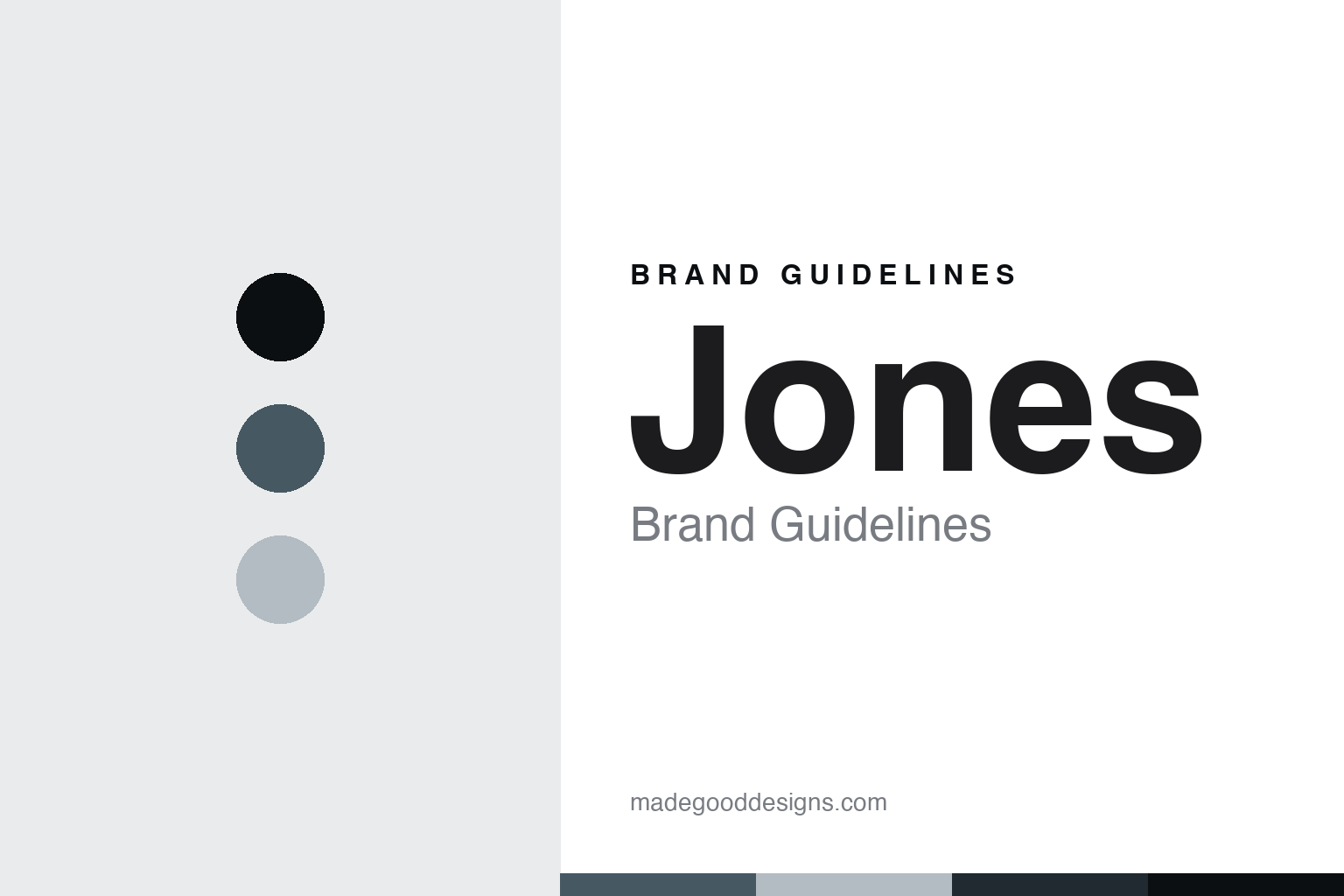
Jones Brand Guidelines
The freeride splitboard.
Aa
Two constants: a stone palette and a backcountry-sans register. Abstract homage — not a Jones product or mark.
The freeride splitboard
Jones is the freeride and splitboard house of Jeremy Jones — made in Europe under the Nidecker Group.
Jones closes the round as the mountaineer’s brand — the freeride and splitboard house founded by the big-mountain legend Jeremy Jones, made in Europe under the same Nidecker Group that opened this round. Jones makes splitboards and snowboards, and its answer to a round about board makers is purpose plus a parent: a backcountry specialist with a climate conscience, owned by the Swiss group. A board, for the backcountry.
Its identity is the freeride splitboard. Jones’s backcountry focus, its Jeremy Jones heritage and its Nidecker ownership are the story here. A board, made in Europe. The freeride splitboard.
(Honest notes, so the story stays precise. Jones — at jonessnowboards.com — makes splitboards, its signature, and freeride and all-mountain snowboards, with models such as the Flagship, Mountain Twin and Solution splitboard, plus splitboard accessories and apparel. It was founded by Jeremy Jones, a big-mountain and freeride legend; its own site says 2009 while its parent dates the partnership to 2010, so we say 2009–2010, based in Truckee, California as Jones – Nidecker US. On where it is made — a theme of this round — it is designed in the USA under Jeremy Jones and made in Europe, widely reported at GST in Austria and through Nidecker Group manufacturing, which we frame as reported rather than a hard claim; it is not made in the USA. On ownership, Jones is a brand of the Nidecker Group, the Swiss family company that opened this round, with Jeremy Jones as founder and creative lead. Notably, Jeremy Jones founded the climate group Protect Our Winters in 2007, and the brand builds with bio-resin and recycled materials. Its marks are IP we describe but do not reproduce, and there is no official brand hex; these tones are an unofficial interpretation. This is design commentary and does not promote any product.)
Colour
Jones lives in a stone grey. Click a swatch to copy the hex.
Jones’s identity is backcountry, made and conscientious — a stone, an ink, a mist, a deep stone, and a paper. The palette leans stone and mist: an earthy, alpine register that nods to rock, snow and the backcountry rather than a loud park palette. It signals a freeride specialist with a conscience. The honest caveat: with no published brand hex, these values are an original, unofficial interpretation, not first-party colours.
The lesson is a stone palette signals a backcountry, conscientious identity. Jones’s world is a backcountry, made object with a climate conscience. For designers, it is a reminder that an earthy stone and a soft mist can carry a board maker — the tone of a snowy ridgeline. Because these tones can fail as small text, keep type dark and let the colour live in the accents, palette and band. The takeaways: specialise in the backcountry; carry a real conscience; be honest about European making; and treat any single hex as unofficial.
Typography
The register is a backcountry sans — earthy, purposeful, made.
Jones’s identity carries an earthy, purposeful, made spirit — a backcountry brand, not a fashion. A backcountry sans captures the mood: plain, serious and grounded, the register of a splitboard built for the mountains and a founder who fights for them. Set in a stone palette, the backcountry sans feels earthy and purposeful — exactly the personality Jones carries. It is purpose rather than a logo, mirroring a wood core and a recycled base. (Jones’s real wordmark, and the model names, are things we describe but do not reproduce, and the exact typeface is not ours to use.) Because it is not ours to use, the honest description is “a backcountry-sans spirit,” shown here in a stand-in. The type behaves like the board: earthy, purposeful and made.
Aa
A backcountry-sans spirit — earthy and purposeful. (Specimen set in Mulish, a backcountry-sans STAND-IN; NOT the Jones logo.)
The board makers
Jones stands for the freeride splitboard.
Jones closes the round as the mountaineer’s brand. A stone palette, a backcountry sans and a splitboard make one thing — the freeride splitboard — the whole identity: backcountry, made and conscientious. The splitboard focus is the differentiator, and the climate conscience is the meaning. The point is a big-mountain legend’s brand that specialises in the backcountry and fights for the winters it depends on, owned by the Swiss group that opened this round.
Put to work, the identity is a purpose-driven brand told straight, as design. A maker in this spirit would specialise in the backcountry, carry a real climate conscience, and be honest that the boards are made in Europe under a parent. A reader in this spirit would keep the facts right: it was founded by Jeremy Jones around 2009–2010; it is designed in the USA and made in Europe, reported at GST in Austria and via Nidecker; it is a Nidecker Group brand; and Jeremy Jones founded Protect Our Winters. Jones closes the round at the designed-here-made-Europe end of the where-made thread with Burton, and it bookends the round with Nidecker, its own parent, which opened it — the group and its brand as first and last. The honest editorial moves are to hedge the founding year, to frame the making as European and reported, to credit the Nidecker ownership and the climate work, and to keep the living founder to public facts. The lesson Jones teaches is that purpose can be an identity: a backcountry specialist that fights for the mountains means something a generic brand does not.
For designers and brand-builders, Jones closes the board makers: specialise with purpose — and be honest about the parent and the factory. The lessons: own a discipline; carry a genuine cause; state the ownership; frame European making as reported; and never reproduce a logo. It is also a reminder to stay precise: Jones is the freeride and splitboard house of Jeremy Jones, made in Europe under the Nidecker Group — with the palette here an unofficial interpretation. Read that way, Jones is less a board than a purpose: a founder who climbs the mountains, builds boards to ride down them, and fights to keep them frozen. The lesson for a brand is that a genuine cause, tied to the product’s own future, is among the most durable identities there is — and that honesty about ownership and manufacture keeps the cause credible. Jones made the-freeride-splitboard the identity — proof that purpose, honestly owned, can close a round about who builds the board.
Explore & save
Keep Jones’s identity on hand — save it to a board in the Made Good inspiration library.
Jones identity set
Pin the stone palette and the backcountry-sans register to your own board.