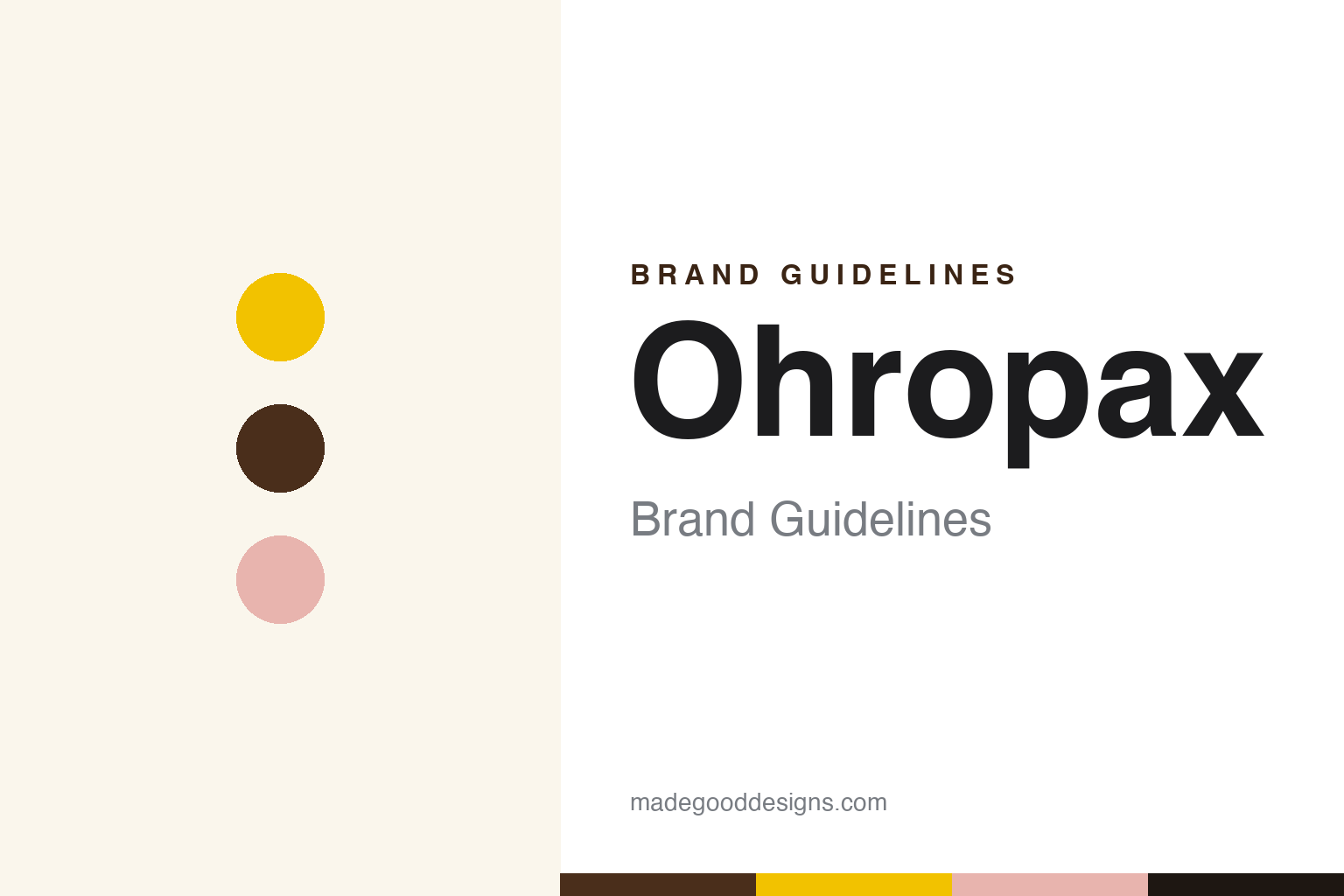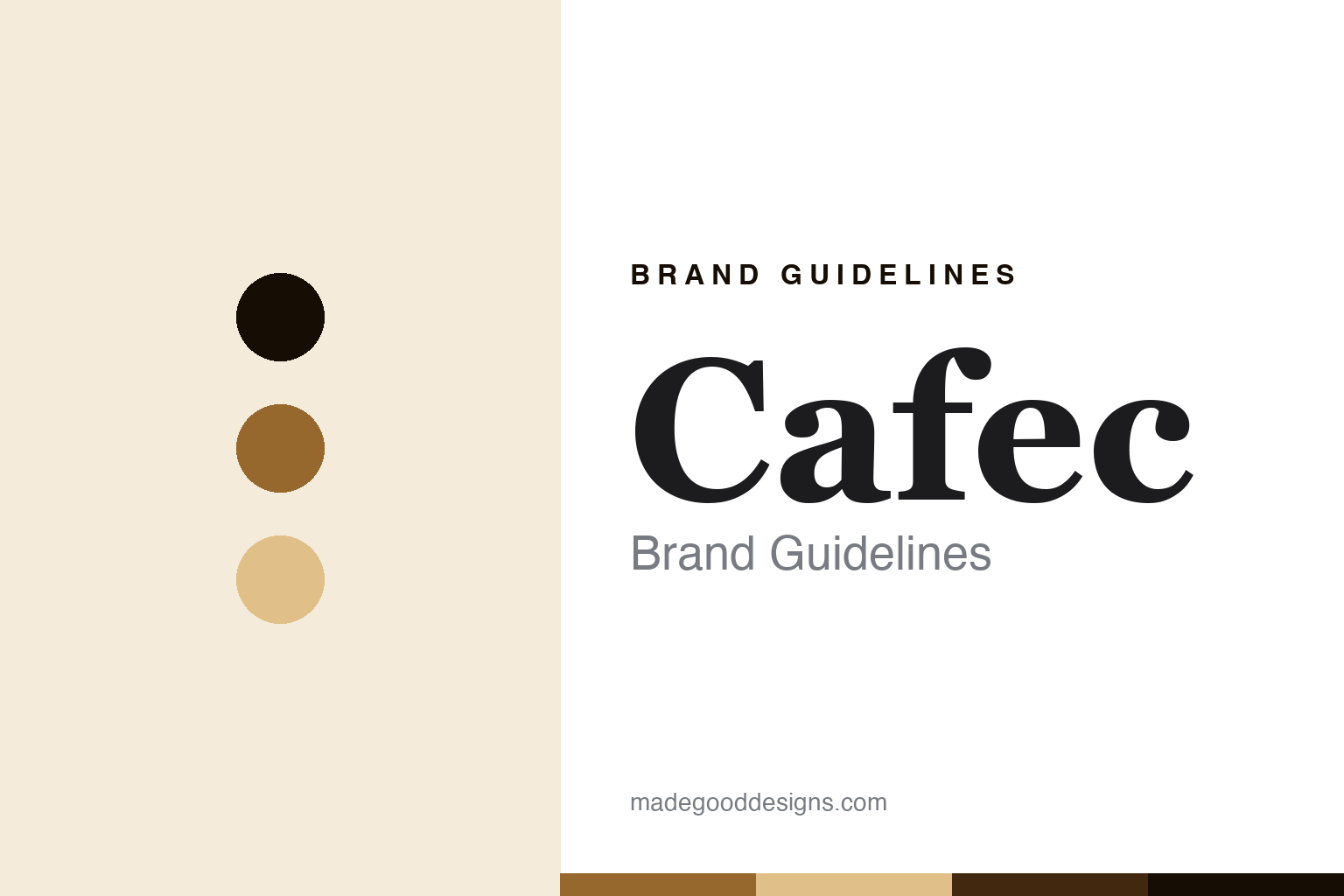
Cafec Brand Guidelines
Just paper, not just paper.
Aa
Two constants: an ochre palette and a paper-serif register. Abstract homage — not a Cafec product or mark.
Just paper, not just paper
Cafec is the Japanese specialty-filter brand of Sanyo Sangyo, maker of the ABACA and roast-specific filters, made in Japan.
Cafec is the round’s paper craft — a Japanese filter maker that treats the humble paper as a precision tool. Cafec makes specialty coffee filters and pour-over gear, and it is known for the ABACA filter. Its answer to how a maker becomes a name is Japanese paper craftsmanship: make filters so considered that they come tuned to the roast, from a paper company that knows fibre. Just paper, and not just paper.
Its identity is just paper, not just paper. Cafec’s ABACA filter, its roast-specific filters and its Japanese making are the work it is known for. A filter, made in Japan. Just paper, not just paper.
(Honest notes, so the story stays precise. Cafec — at cafec-jp.com, the specialty-coffee brand of Sanyo Sangyo — makes coffee filters and pour-over gear: its signature is the ABACA filter, made with abaca fibre, alongside roast-specific filters tuned for light, medium-dark and dark roasts, the Flower Dripper (in Arita-ware ceramic and resin) and pour-over kettles. On its history, Sanyo Sangyo is a Japanese company reported to date to the early 1970s and to be based in Nagoya, which we present as reported since the site does not state them. On where it is made — a theme of this round — Cafec’s identity is Japanese paper craftsmanship, and its gear carries Japanese-craft signals such as Arita-ware porcelain, so it is one of the round’s made-at-home makers, made in Japan; we note it does not print a blanket made-in-Japan line for every item. On ownership, it is an independent Japanese company, Sanyo Sangyo. Its name and marks, and the Flower Dripper’s form, are IP, described but never reproduced; Japanese craft regions are referenced respectfully, and there is no official brand hex; these tones are an unofficial interpretation. This is design commentary and does not promote any product.)
Colour
Cafec lives in an ochre palette. Click a swatch to copy the hex.
Cafec’s identity is crafted, made and considered — an ochre, an ink, a wheat, a deep amber, and a paper. The palette leans ochre and wheat: the warm register of natural fibre and unbleached paper. It signals a Japanese paper craft. The honest caveat: with no published brand hex, these values are an original, unofficial interpretation, not first-party colours.
The lesson is an ochre palette signals a crafted, made-in-Japan identity. Cafec’s world is a crafted, considered object. For designers, it is a reminder that a warm ochre and a soft wheat can carry a coffee house — the tone of natural fibre and paper. Because these tones can fail as small text, keep type dark and let the colour live in the accents, palette and band. The takeaways: treat the humble as precise; make it at home; tune to the roast; and treat any single hex as unofficial.
Typography
The register is a paper serif — refined, crafted, made.
Cafec’s identity carries a refined, crafted, made spirit — a paper craft, not a commodity. A paper serif captures the mood: elegant, considered and Japanese, the register of a filter maker that treats paper as a tool. Set in an ochre palette, the paper serif feels refined and crafted — exactly the personality Cafec carries. It is paper craftsmanship rather than a logo, mirroring a considered filter. (Cafec’s real wordmark, and the Flower Dripper’s form, are things we describe but do not reproduce, and the exact typeface is not ours to use.) Because it is not ours to use, the honest description is “a paper-serif spirit,” shown here in a stand-in. The type behaves like the filter: refined, crafted and made.
Aa
A paper-serif spirit — refined and crafted. (Specimen set in Playfair Display, a paper-serif STAND-IN; NOT the Cafec logo or dripper.)
The brewing tools
Cafec stands for just paper, not just paper, made in Japan.
Cafec is a lesson in how treating the humble as precise can be an identity. An ochre palette, a paper serif and a considered filter make one thing — just paper, not just paper — the whole identity: crafted, made and considered. The Japanese paper craftsmanship is the differentiator, and the roast-specific filter is the meaning. The point is a Japanese filter maker, from a paper company that knows fibre, that tunes the filter to the roast and makes it at home.
Put to work, the identity is paper craftsmanship, told straight, as design. A maker in this spirit would treat the humblest part as precise and make it at home — the ABACA filter, in Japan. A reader in this spirit would place it clearly in the round’s where-made thread: with Kinu and Fiorenzato, Cafec is one of the makers genuinely made where it is from, carrying Japanese-craft signals such as Arita-ware porcelain. Cafec holds the round’s heritage-and-craft end and its precision-and-marginal-gain thread, tuning the filter itself to the roast. The honest editorial moves are to present the founding year and city as reported, to state the made-in-Japan craft while noting no blanket per-item claim, and to reference the craft regions respectfully. The lesson Cafec teaches is that treating the humble as precise can hold an identity: the paper craftsmanship gives it substance, and the roast-specific filter keeps it credible. Just paper, not just paper is the personality, and the ABACA filter is the proof.
For designers and brand-builders, Cafec holds a made-at-home pole in the brewing tools: treat the humble as precise — and make it at home. The lessons: raise the lowliest part to a craft; tune to the use; make it in-country; present unstated facts as reported; and never reproduce a logo. It is also a reminder to stay precise: Cafec is the Japanese specialty-filter brand of Sanyo Sangyo, maker of the ABACA and roast-specific filters, made in Japan — with the palette here an unofficial interpretation. The paper craftsmanship carries the substance, and the roast-specific filter carries the reputation; together they show that the humblest, most disposable part of the brew can be raised to a craft worth naming, and that a filter tuned to the roast is precision applied where no one else thought to look. Cafec made just-paper-not-just-paper the identity — proof that a filter, honestly made, can be the difference.
Explore & save
Keep Cafec’s identity on hand — save it to a board in the Made Good inspiration library.
Cafec identity set
Pin the ochre palette and the paper-serif register to your own board.