Star Brand Guidelines
The 1949 Lagos lager that launched Nigerian Breweries.
Aa
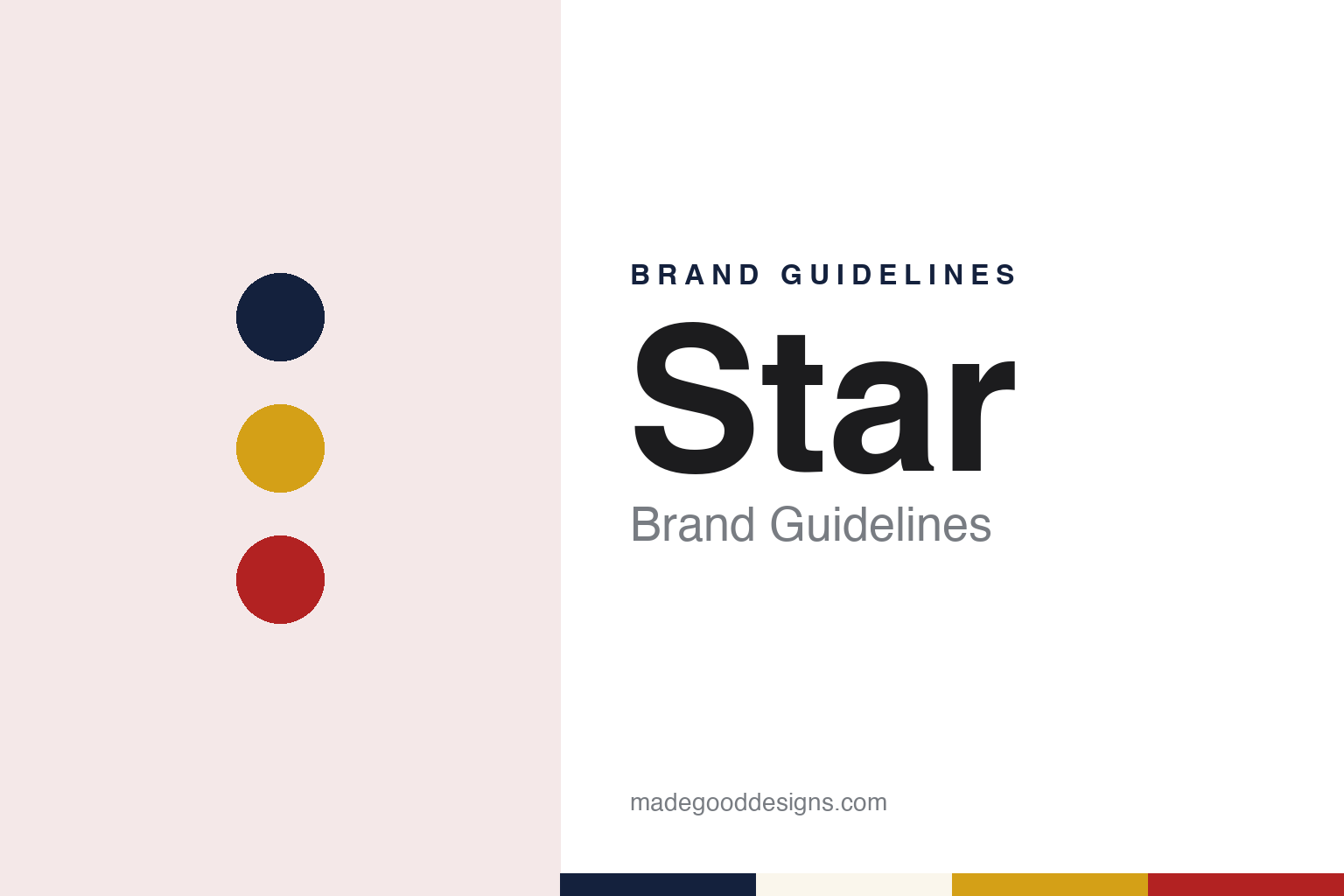
Two constants: a night blue, lager gold and Lagos red palette and a bold grotesque sans register. Abstract homage — not a Star product or mark; no bottle, label or logo is reproduced.
Iganmu
A trading company, a Dutch brewer and a Lagos brewery.
Star was the first beer of Nigerian Breweries, and for decades the company’s story and the brand’s were the same. The idea of a brewery in Lagos was first promoted before the Second World War by Frank Samuel of the United Africa Company (UAC), but concrete steps came only after the war, English Wikipedia says. Because UAC had no brewing experience, it entered a technical agreement with Heineken, and other trading houses in Nigeria, among them John Holt, SCOA, CFAO and UTC, took equity in the new venture, according to the historian Simon Heap’s paper “A ‘Star’ is Born: Marketing Beer in Nigeria in the 1950s.”
The company dates its own beginning to November 1946, when UAC and Heineken signed the contract to incorporate Nigerian Brewery Limited in Lagos. Construction of a brewery at Iganmu, in Lagos, began in 1947 and finished in 1949, and the first bottle of Star came off the bottling line there in June 1949, English Wikipedia says. In May 1957 the company changed its name to Nigerian Breweries Limited, as it added plants.
The company today writes the name in capitals, STAR, and calls it “our first champion.” Star was launched into a market led by imported beers. English Wikipedia’s article on the brand says it was up against foreign beer brands, whisky and palm wine when it appeared, and that it was promoted as a home-made brand with international standards. In 1954, the same article says, it won the bottled beer category at the British Empire and Commonwealth Bottled Beer Competition.
Colour
Market research, modernity and sponsorship.
Star is remembered in business history as much for its marketing as for its beer. Heap’s research, as summarised by English Wikipedia, describes how Nigerian Breweries used consumer market research to understand its market and built a strategy around Star in which advertising linked drinking beer with modernity. It was one of the early companies in Nigeria to use such market research and to advertise a Nigerian brand heavily, the encyclopedia says, citing a 2003 article on Star advertising in the Lagos newspaper Vanguard.
The approach worked. By 1960 Star had become the market leader, English Wikipedia says, and was a familiar sight at parties and ceremonies. To reach drinkers across a large country, the company gave selected distributors the right to sell its brands and built depots at strategic points.
Sponsorship carried the name further. In the 1970s, according to a 1979 feature in the Nigerian edition of Drum marking the brand’s 30th year, Star was associated with sponsorship of the Nigerian Chess Championship, a table tennis competition and a cycling competition. English Wikipedia names LINTAS as the advertising agency used in that period.
The brand later grew into a small family. Nigerian Breweries introduced Star Lite in February 2014 and Star Radler in July 2015; English Wikipedia lists Star Radler in citrus and red-fruit versions. Through those extensions, the original lager has remained the company’s founding brand.
Typography
Design and documentation.
The seven brands in this group all make food or drink, and all of them come from Ghana, Ethiopia or Nigeria: Nkulenu, Kasapreko, Dashen, Star, Hollandia, Chivita and Gala. Food and drink brands in general sit at many different points in the trade, from family firms that still carry a founder’s surname to names that now belong to much larger groups, and a single brand can be sold everywhere from a roadside kiosk to a supermarket shelf.
A food or drink brand’s identity is usually carried less by a single product than by a pack, a name and the meal or moment it promises, because the company behind the name may have changed hands, moved its factory or grown far beyond the town where it started. That makes the questions behind each name worth asking plainly: who started it, who owns it now, and where its products are actually made and packed.
Each guide separates what independent sources record from what the company says about itself — its founding story, its owners over time, where its products are made and how its packaging has changed — and marks plainly what rests only on the company’s own word.
Aa
A bold grotesque sans for a lager that has led a crowded market. (Specimen set in Archivo, a sans STAND-IN; NOT the Star logo.)
Star
From one Lagos brewery to a national network.
Star’s success financed a brewery network across Nigeria. The company says construction of a brewery at Aba, in the south-east, began in May 1955, and that the Kaduna brewery in the north was commissioned in 1964 and the Ibadan brewery in 1982. English Wikipedia adds that the company acquired a fifth brewery, in Enugu, in September 1993, and that Ama Brewery, near Enugu, began brewing in March 2003; the company says Ama was commissioned in October 2003 by President Olusegun Obasanjo. By 1971 Nigerian Breweries was one of the largest industries in the country by capital investment, Drum reported in 1972.
The beer has always been brewed in Nigeria, and its recipe has had to adapt to Nigerian supply. When the federal government banned barley imports in 1988, Nigerian Breweries converted its plants with Heineken’s technical help and set up a grain farm in Niger State to supply locally grown grain, according to Patrick Utomi’s 1998 book Managing Uncertainty, as cited by English Wikipedia.
The company grew around its first brand. It added Gulder in 1970 and the malt drink Maltina in 1976, the company says. Heineken took over management control of Nigerian Breweries in 2000, by the company’s account; it bought Sona Breweries in 2011, and in 2014 it merged with Consolidated Breweries, maker of 33 Export, in a merger English Wikipedia says was led by Heineken as the leading shareholder. Nigerian Breweries Plc is listed in Lagos and has its head office at Iganmu, where Star was first bottled. The company calls itself the pioneer and largest brewing company in Nigeria.
For a design guide, Star shows how a beer launched against imports can become a national name through research-led advertising and sponsorship. Compare Dashen, the beer of Gondar in Ethiopia, and Chi Limited, the Nigerian juice and snack maker. For this guide we use night blue, a lager gold and a Lagos red with a bold sans, an unofficial interpretation; no product or logo is reproduced.
Explore & save
Keep Star’s identity on hand — save it to a board in the Made Good inspiration library.
Star identity set
Pin the Star night blue, lager gold and Lagos red palette and the bold grotesque sans register to your own board.