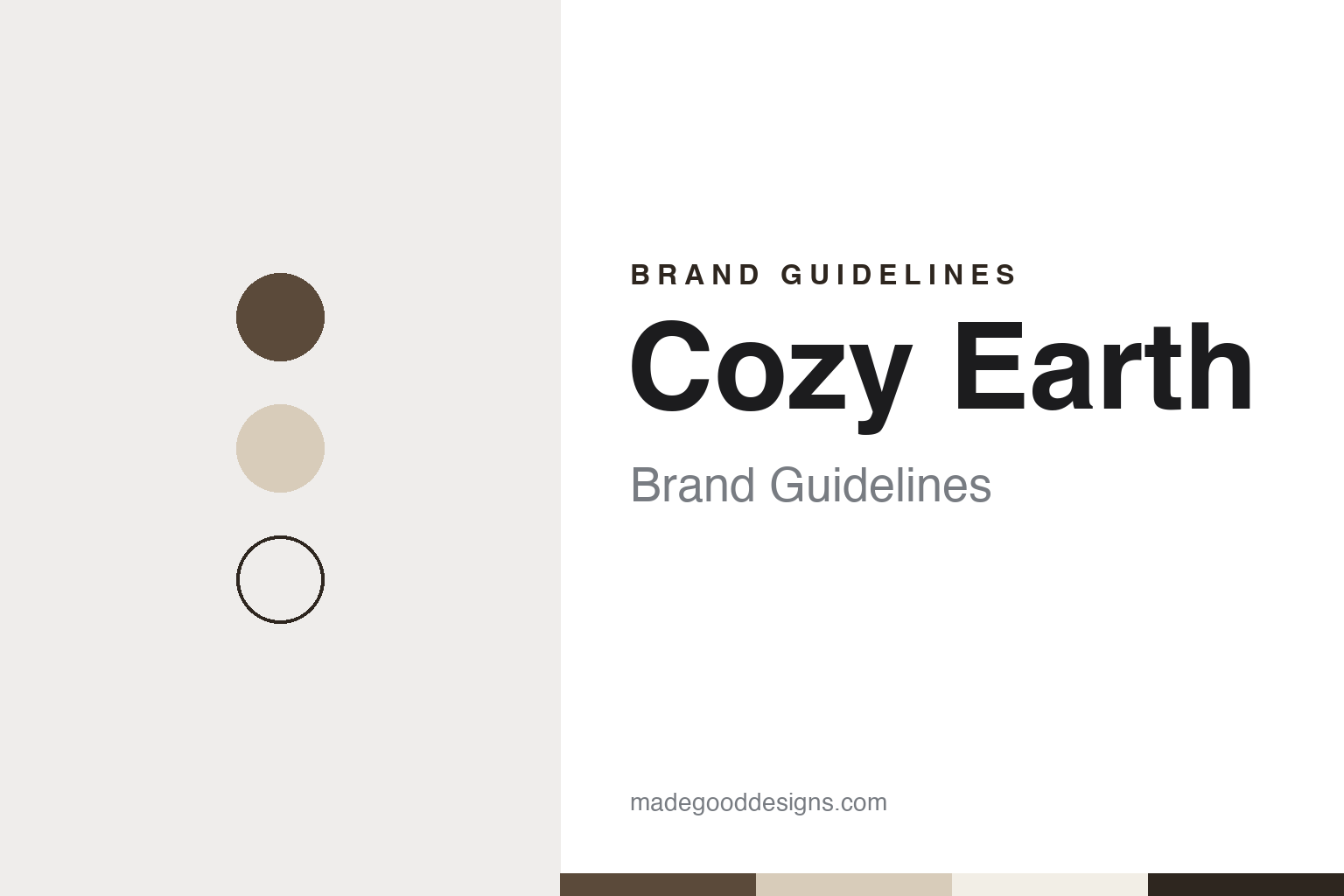
Cozy Earth Brand Guidelines
Bamboo viscose sheets in white and natural, sold from Utah.
Aa
Two constants: an earth brown, natural and bamboo white palette and a gentle bookish serif register. Abstract homage — not a Cozy Earth product or mark; no sheet, packaging or logo is reproduced.
A bamboo bedding source
A founder, a fibre and a company launched in 2011.
Cozy Earth is a bedding brand from Utah founded by Tyler Howells. The trade paper Home Textiles Today, in a report by senior editor Cecile Corral published on 6 September 2017 and datelined Salt Lake City, described the company as a luxury “viscose-from-bamboo” bedding source and stated that it had launched in 2011. The article named Howells as the founder and recorded his description of himself as a former “surfer dude.”
Bamboo was the brand’s material from the beginning of its trade coverage. The 2017 report explained that the company’s sheeting, pillows, blankets and comforters were all made of viscose from bamboo fibre, and that a new product, a bamboo mattress pad, used the same material for both its shell and its fill. Viscose is a regenerated fibre: plant cellulose is dissolved and spun into a new filament, and the bamboo is the source of the cellulose rather than a fabric woven from stalks.
The name pairs the comfort the company sells with the plant it sells it from. “Cozy” describes the product in the language of a shopper, and “Earth” points to the natural origin of the fibre, so the two words together state the brand’s promise in plain English without a coined term or a founder’s surname.
The quotation sits alongside the company’s description of its own production, which the paper reported in Cozy Earth’s words rather than as an independent finding.
Colour
A proprietary supply chain, a white-and-natural line and a website rebuilt for shoppers.
Cozy Earth has described its production as something it controls end to end. Home Textiles Today reported in 2017 that, using a system the company calls its proprietary supply chain, Cozy Earth leads the production of its linens “from seed to sheet,” with the stated aims of protecting quality and working conditions. The paper added that the company had spent several years trying to perfect its weaving techniques. The countries and factories involved were not named in that report, and the company presents its sourcing in these general terms.
The same report recorded a choice that shaped the brand’s look. Cozy Earth, it said, was “not a fashion bedding source”: its complete line at the time was basic white and natural in palette, which the company linked to its efforts to keep its products free of dyes. A bedding brand that sold only white and undyed shades leaned on texture, drape and photography rather than on prints or seasonal colour stories to set itself apart.
Selling was centred on the company’s own website. In September 2017 Cozy Earth was preparing two launches, the bamboo mattress pad and a rebuilt CozyEarth.com, which Howells said was its second update within a year. He told Home Textiles Today the site was being made “more conversion-friendly” and easier to navigate, and was being retooled to serve both wholesale and retail customers. “Our big thing right now is educating the consumer about bamboo sheets and bamboo comforters,” he said.
Marketing grew alongside the site. The 2017 report said the company was increasing its advertising, expanding its presence on social media and moving for the first time into radio, a traditional medium for a company that had built its business online.
Typography
Design and documentation.
Direct-to-consumer bedding brands sell sheets, duvets, pillows and towels mainly through their own websites rather than through department stores, and they usually build their identity there: in the name, the photography, the colour names given to each shade and the tone of the copy. Many are young companies, and some have since been sold, merged into larger groups, moved into physical stores or closed, so the brand a shopper sees today may sit with a different owner from the one that launched it.
Bedding is also a category where the place of making is easy to blur. A brand can be designed in one country while its fabric is woven, finished and sewn in others, and the wording on a website does not always say which step happened where. That makes the plain questions worth asking: who started the brand, who owns it now, and which mills or factories make its products.
Each guide separates what independent, dated sources record from what the company says about itself — its founding story, its owners over time and where its textiles are made — and marks plainly what rests only on the company’s own word.
Ce
A gentle, bookish serif in the spirit of a quiet bedding catalogue. (Specimen set in Cormorant Garamond, a serif STAND-IN; NOT the Cozy Earth logo.)
Cozy Earth
A plain-English name, a fabric-first shop and a range that moved beyond the bed.
Cozy Earth presents its range today as a set of fabrics as much as a set of products. Its website lets shoppers browse by fabric, with headings that include Bamboo, Bamboo Jersey and Soft-Wash, alongside the conventional bedding categories. The fabric names are short and descriptive, in the same plain register as the company name, and they make the material the first thing a shopper chooses.
The bedding categories are broad. The site’s bedding menu lists sheets, duvet covers, comforters, quilts and coverlets, blankets and throws, pillows and pillowcases, and mattress pads and protectors, building out from the sheets, comforters and mattress pads described in the 2017 trade report. The menu also reaches past the bed into candles and home decor, extending the name into the rest of the house.
The website’s menus also group products by occasion rather than by fabric alone, with headings for bundles, new arrivals and items back in stock, a structure typical of a brand that sells mainly through its own online shop. Within the fabric menu, each heading comes with a short line of description, so the material is explained at the point where the shopper chooses it, echoing the education-first approach Howells described to Home Textiles Today in 2017.
The company’s own story, as reported in 2017, ties these choices together: a founder who described himself in informal terms, a single fibre used across every product, a line kept to undyed shades, and a website rebuilt to explain bamboo bedding to shoppers who had not bought it before. The range has since grown well beyond that first set of bamboo sheets and comforters.
For a design guide, Cozy Earth shows how a direct-to-consumer bedding brand can build an identity from a plain two-word name, a single named fibre and a restrained, undyed palette. Compare ettitude, which leads with its own bamboo lyocell fabric, and Boll & Branch, an American online bedding brand. For this guide we use earth brown, natural and bamboo white with a gentle bookish serif, an unofficial interpretation; no product or logo is reproduced.
Explore & save
Keep Cozy Earth’s identity on hand — save it to a board in the Made Good inspiration library.
Cozy Earth identity set
Pin the Cozy Earth earth brown, natural and bamboo white palette and the gentle bookish serif register to your own board.


