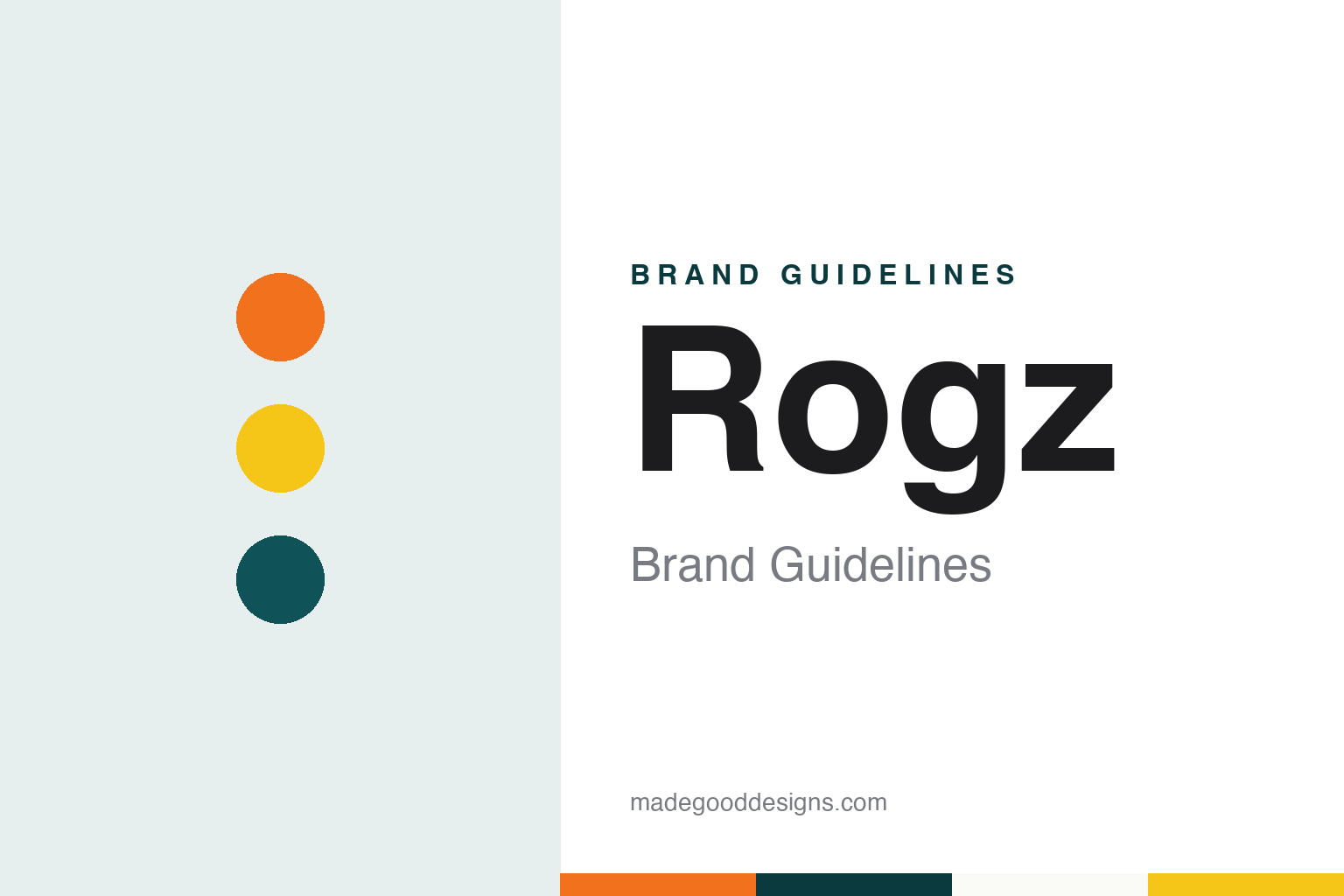
Rogz Brand Guidelines
The Cape Town pet-gear maker that grew from sunglass cords.
Aa
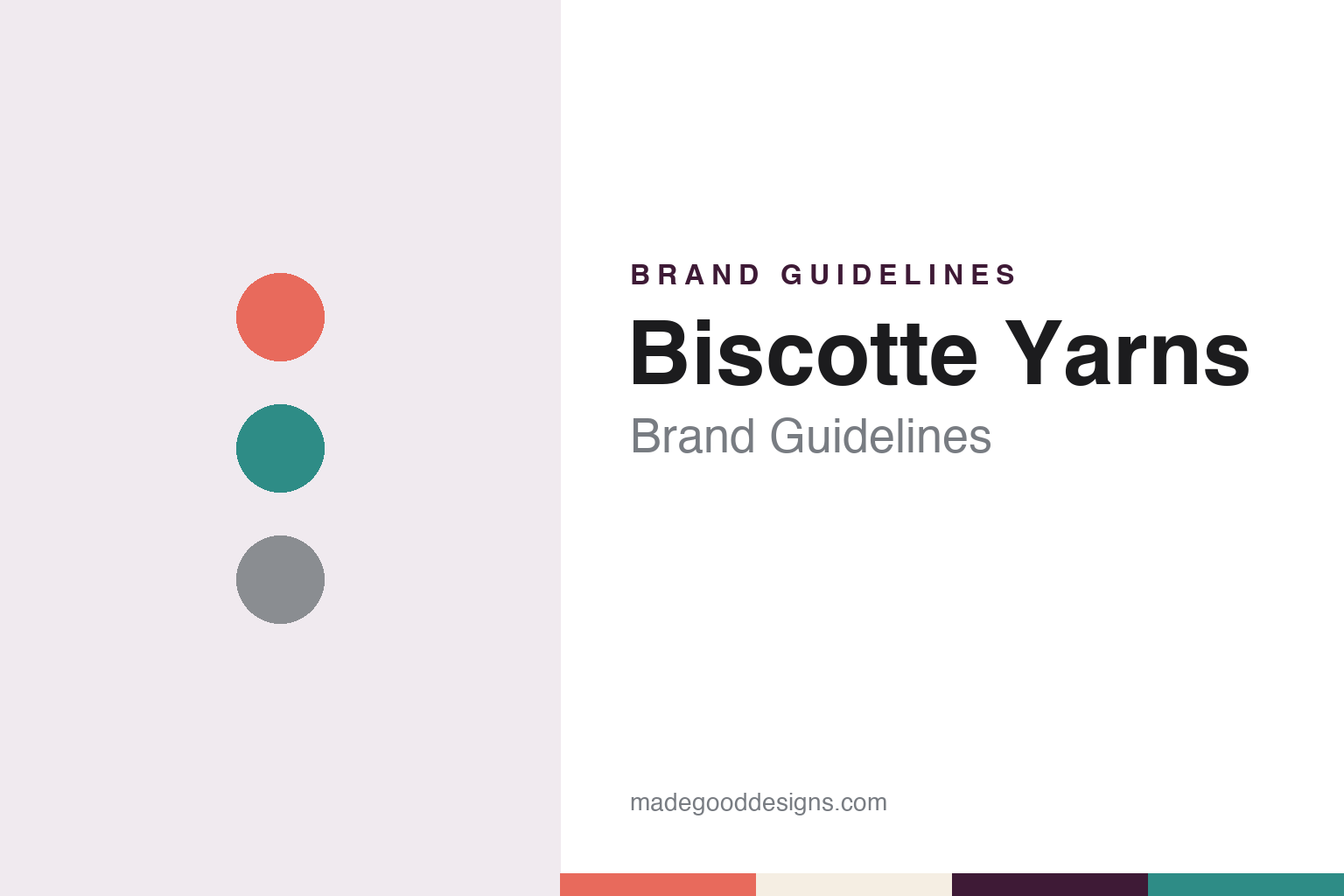
Two constants: a webbing orange, bay teal and buckle yellow palette and a bold sporty sans register. Abstract homage — not a Rogz product or mark; no collar, logo or label is reproduced.
Blue Bay Concepts
Two returning travellers and a view of the bay.
Rogz is a pet-gear company from Cape Town, South Africa, started by Paul Fuller and Irené Raubenheimer. According to How we made it in Africa, which profiled the company on 12 October 2021, the pair began in 1994, after returning from gap years spent working on yachts, and tried out business ideas from an apartment in Blouberg, on the coast north of the city. The company’s own website dates its start to 1995: “Since 1995, we’ve been dreaming up pet gear in Cape Town, South Africa.”
The business did not begin with pets. Its first name was Blue Bay Concepts, which Fast Company South Africa reported in September 2021 was named after the view from the founders’ Blouberg apartment. Its first product was sunglass cords, sold to retailers; other early ideas, including exporting flowers and making isiXhosa gift cards, did not work out, How we made it in Africa reported. The company moved into its own premises in 1996.
From cords it moved into straps. Fast Company South Africa lists the sequence as sunglass cords, then river-rafting cords, then watch straps, sold under the name Ratz Strapz, and then dog collars. A trade fair in Milan, the magazine reported, was the turning point for the business, at a time when, the magazine reported, banks would not lend the founders money; Raubenheimer recalled that “at that stage we were still a tiny little company of about 15 people.”
Colour
From watch straps to collars.
The step from watch straps to dog collars was a short one. How we made it in Africa reported that the company began making dog collars in 2000, under the Rogz brand, at a factory in Montague Gardens, outside Cape Town, and that in 2003 it sold its sports-gear division, leaving pets as its sole focus. The company then took the Rogz name for the business as a whole.
The founders have explained the design idea in the same terms in several interviews. “Most dog collars were made from rough, unfinished materials,” Raubenheimer told How we made it in Africa; coming from sports accessories, the pair set out to make bolder, more colourful products with what the publication called “human appeal.” To Fast Company South Africa she put it more simply: “Our thought was to make better quality products that looked good as well.” The magazine described the early collars on the market as plain, and Rogz’s aim as better quality and more variety in colour and material; it summed up the brand as trendy and high quality, with a focus on animal wellness.
Rogz’s website in 2026 opens with the line “Made for life with pets” and the tagline “Born in South Africa. Enjoyed worldwide.” The range has grown from collars and leads to toys, beds and other accessories for dogs and cats, according to the 2021 profiles.
Outside the product line, Fast Company South Africa reported that the company runs Rogz Academy, a non-profit that began an English literacy programme in Dunoon, Cape Town, in 2012, and has since added mentoring, teacher support and numeracy work.
Typography
Design and documentation.
The seven brands in this group are all dog toy and accessory names: Outward Hound, FURminator, flexi, Nylabone, Benebone, Rogz and EzyDog. Brands like these sit at many different points in the pet trade, from family firms that still carry a founder’s idea to names that now belong to much larger pet-products groups, and a single brand can be sold everywhere from a supermarket aisle to an independent pet shop.
A dog toy or accessory brand’s identity is usually carried less by a single product than by a name, a shape and a colour on a hang-tag or a box, because the company behind the name may have changed hands, moved its production or grown far beyond the place where it started. That makes the questions behind each name worth asking plainly: who started it, who owns it now, and where its toys, leads and tools are actually made.
Each guide separates what independent sources record from what the company says about itself — its founding story, its owners over time, where its products are made and how its packaging and marks have changed — and marks plainly what rests only on the company’s own word.
Aa
A bold, sporty sans — the register of strap and webbing gear. (Specimen set in Archivo, a sans STAND-IN; NOT the Rogz logo.)
Rogz
Made in Cape Town, again.
Where Rogz makes its products has changed over time, and the company has been open about it. How we made it in Africa reported in October 2021 that Rogz first outsourced beds and toys to partners in Spain and Thailand, and then in China, from about 2006 to 2016, but that over the previous five years most production had moved back to South Africa, where the company runs cut, make and trim factories in Cape Town. Fuller told Fast Company South Africa the same year: “We are uniquely positioned to be able to design, brand, produce and supply from here.”
The pandemic tested that local base. After South Africa’s lockdown in March 2020, How we made it in Africa reported, Rogz staff returned to work making personal protective equipment; demand for pet products then rose as people spent more time at home with their animals.
Through these shifts the company has described itself in personal terms. “Here at Rogz, we are a family,” Fuller told Fast Company South Africa, and the founders described the core of the brand as “remaining authentic and doing what we love.”
The name has also carried a consistent story. From Blue Bay Concepts to Ratz Strapz to Rogz, each name followed a change in what the company made, and each step built on the last: cords, straps, then collars.
For a design guide, Rogz shows how a brand can carry the look of one product category — sports straps and webbing — into another. Compare EzyDog, an Australian dog-gear brand, and flexi, the German lead maker. For this guide we use a bright orange, a teal and a yellow with a sans, an unofficial interpretation; no product or logo is reproduced.
Explore & save
Keep Rogz’s identity on hand — save it to a board in the Made Good inspiration library.
Rogz identity set
Pin the Rogz webbing orange, bay teal and buckle yellow palette and the bold sporty sans register to your own board.