Tipiak Brand Guidelines
Two tapioca merchants, one sailing ship and a cooperative owner.
Aa
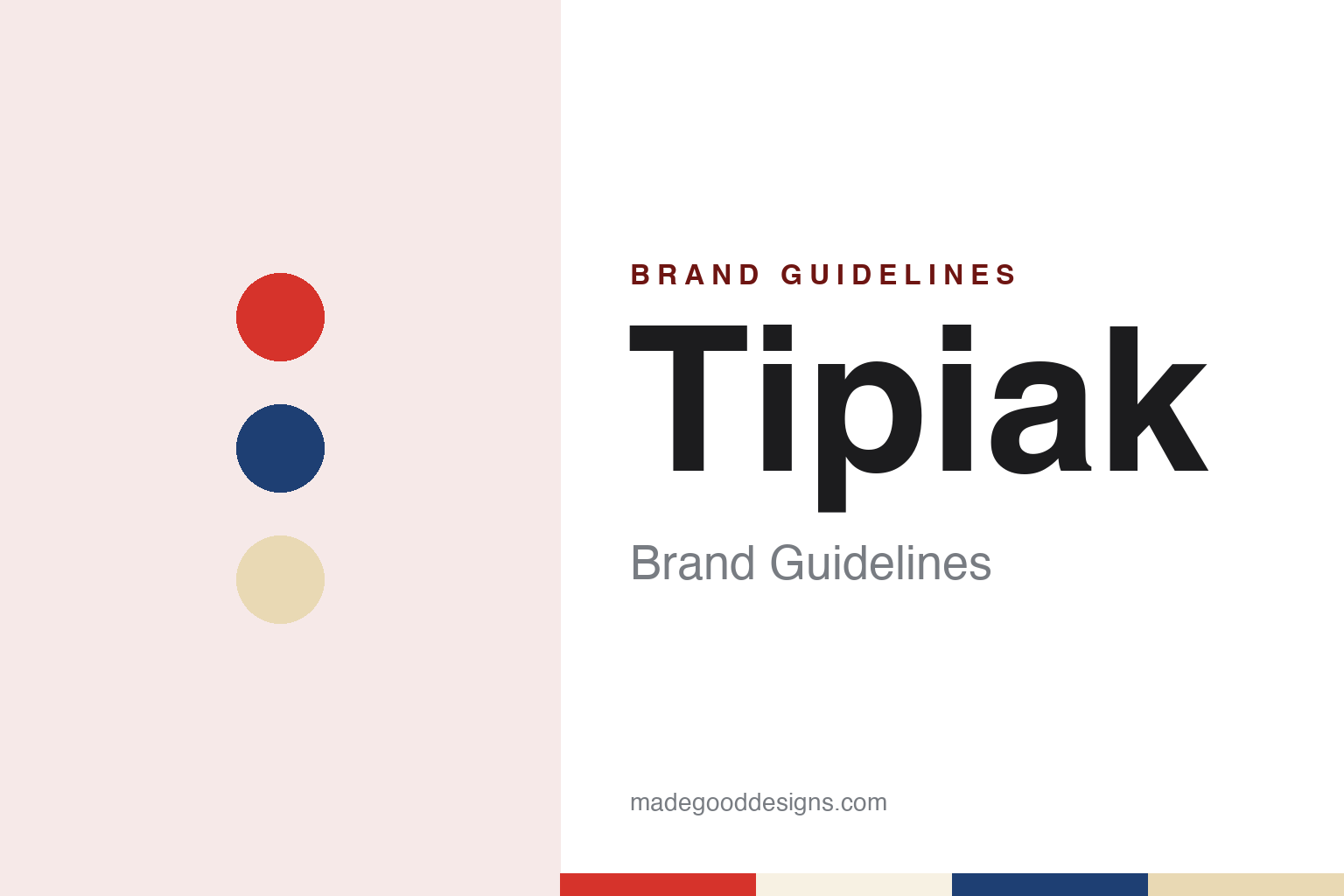
Two constants: a sail red, harbour blue and semolina palette and a lively grotesque sans register. Abstract homage — not a Tipiak product or mark; no pack, ship emblem or logo is reproduced.
Groult and Billard
A Paris grocer, a Nantes importer and a shared ingredient.
Tipiak as a company dates from 1967, but it was assembled from two much older family businesses that both traded in tapioca. The company’s own history and French Wikipedia tell the same story. The first was the Maison Groult, founded in Paris in 1830 by Thomas Groult, who in 1831 bought a Paris food shop called the “Bazar des Comestibles.” It sold flours made from cooked vegetables, pasta and other starches, and through trading links abroad, including with Brazil from 1836, it imported sago, tapioca and arrowroot. French Wikipedia says the business was greatly expanded by Thomas Groult’s son, Camille Groult.
The second was the Établissements Billard, founded in Nantes in 1879 by Georges Billard, a merchant from the Berry region, the company says. Billard specialised in colonial produce — vanilla, coffee, sugar and spices — and tapioca became one of its leading products, especially after it sold its sugar refinery in the 1930s. After the Second World War it sold mainly tapioca, rice and a few other dry goods.
Both houses depended on ports. The company says Groult, in Paris, took delivery of goods landed at Le Havre and carried up the Seine, while Billard had settled in Nantes because of the port traffic there. In 1967 the two families decided to bring their businesses together and became partners, with equal shares, in a new company called Tipiak.
Colour
From tapioca and semolina to frozen food, croutons and pirates.
The new company widened its range in stages. French Wikipedia says that in the 1970s Tipiak became a producer of tapioca and semolina in its own right; between 1984 and 1991 it built a frozen ready-meals division; and in 1991 it opened a sales subsidiary in the United States. In 1996 it bought Société Nouvelle Duteil, a maker of party and pastry foods, Les Echos reported, and in 2000 it added a bakery division by buying Gesnouin. French Wikipedia describes the result as two sides — dry goods and chilled or frozen goods — across four divisions: grocery, bakery, frozen ready meals and savoury and sweet party foods. Its bakery line includes croutons, a supermarket category the Journal du Net said in 2007 that Tipiak led in France; its consumer website today leads with taboulé, quinoa, couscous and bulgur.
The production base stays in western France. French Wikipedia lists factories at Fouesnant, Malville, Saint-Herblain, Pontchâteau, Pont-l’Évêque, Marans and Saint-Aignan-Grandlieu, where the head office stands in the business park beside Nantes Atlantique airport. In 2004 the frozen division merged its two sites in southern Finistère into a single large plant at Fouesnant, and the Pontchâteau plant was extended in 2021.
Tipiak’s best-known advertising comes from Brittany. In November 1993 a television spot directed by the film-maker Jean Becker starred five women from the Pays Bigouden, aged 71 to 91 and wearing the tall traditional lace coiffe, crying “Pirates! They’ve stolen our recipe!” It was shot at the Manoir de Kerazan in Loctudy, Le Télégramme recalled on the campaign’s thirtieth anniversary in 2023. A later spot featured a trio including Maria Lambour, who became the face of the brand, and Becker directed a new campaign in 2012.
Typography
Design and documentation.
The seven brands in this group all make food, and all of them come from France: Herta, Fleury Michon, Banania, Tipiak, Cassegrain, Saupiquet and Bjorg. French food brands in general sit at many different points in the trade, from family firms that still carry a founder’s surname to names that now belong to much larger food groups, and a single brand can be sold everywhere from a village grocer to a hypermarket shelf.
A food brand’s identity is usually carried less by a single product than by a pack, a name and the meal or snack it promises, because the company behind the name may have changed hands, moved its factory or grown far beyond the town where it started. That makes the questions behind each name worth asking plainly: who started it, who owns it now, and where its food is actually made and packed.
Each guide separates what independent sources record from what the company says about itself — its founding story, its owners over time, where its food is made and how its packaging has changed — and marks plainly what rests only on the company’s own word.
Aa
A lively grotesque sans for a brand that set sail with a new logo in 2026. (Specimen set in Bricolage Grotesque, a sans STAND-IN; NOT the Tipiak logo.)
Tipiak
From two families to a farmers’ cooperative.
For most of its life Tipiak stayed with the families that formed it. The company was listed on the Paris Second Marché in 1988, French Wikipedia says, and in 2022 the Billard family and the Groult family holding company each still held about 35% of the shares, according to the market-data site Zonebourse.
That changed in 2023 and 2024. On 27 October 2023 Tipiak announced that its majority shareholders had entered exclusive negotiations with Terrena, a farmers’ cooperative based in western France, Ouest-France reported the same day. On 4 June 2024, after clearance from the French competition authority, Terrena completed the purchase of 77.53% of Tipiak’s capital through its subsidiary C2 Développement, buying from the Groult and Billard family companies and one other shareholder, according to Tipiak’s press release of that date. The release named Alain Le Floch as the new chief executive and Terrena’s president, the farmer Olivier Chaillou, as chairman of Tipiak’s board, and said a mandatory tender offer for the remaining shares would follow; French Wikipedia says the shares left the stock market in 2024.
Two years after the takeover, the brand changed its look. In a LinkedIn post in September 2026 Tipiak unveiled a new brand identity: a new logo that, it says, is more modern, lively and appetising while keeping the brand’s familiar codes, and new packaging with simplified information that gives more space to newer cooking methods such as the air fryer. French Wikipedia, citing the post, says the new logo keeps the brand’s sailing ship, its oval shape and its historic colours with a more dynamic typeface, and that the first redesigned products reached shops from 1 September 2026, with the rollout planned to run into the first quarter of 2027.
For a design guide, Tipiak shows how a sailing-ship emblem and a pair of century-old merchant houses can sit behind a modern supermarket brand. Compare Cassegrain, another French food brand in this group, and Bonduelle, the family-run French vegetable group. For this guide we use a sail red, a harbour blue and a semolina tone with a grotesque sans, an unofficial interpretation; no product or logo is reproduced.
Explore & save
Keep Tipiak’s identity on hand — save it to a board in the Made Good inspiration library.
Tipiak identity set
Pin the Tipiak sail red, harbour blue and semolina palette and the lively grotesque sans register to your own board.