Bluebird Brand Guidelines
The Auckland chip maker that began at a speedway.
Aa
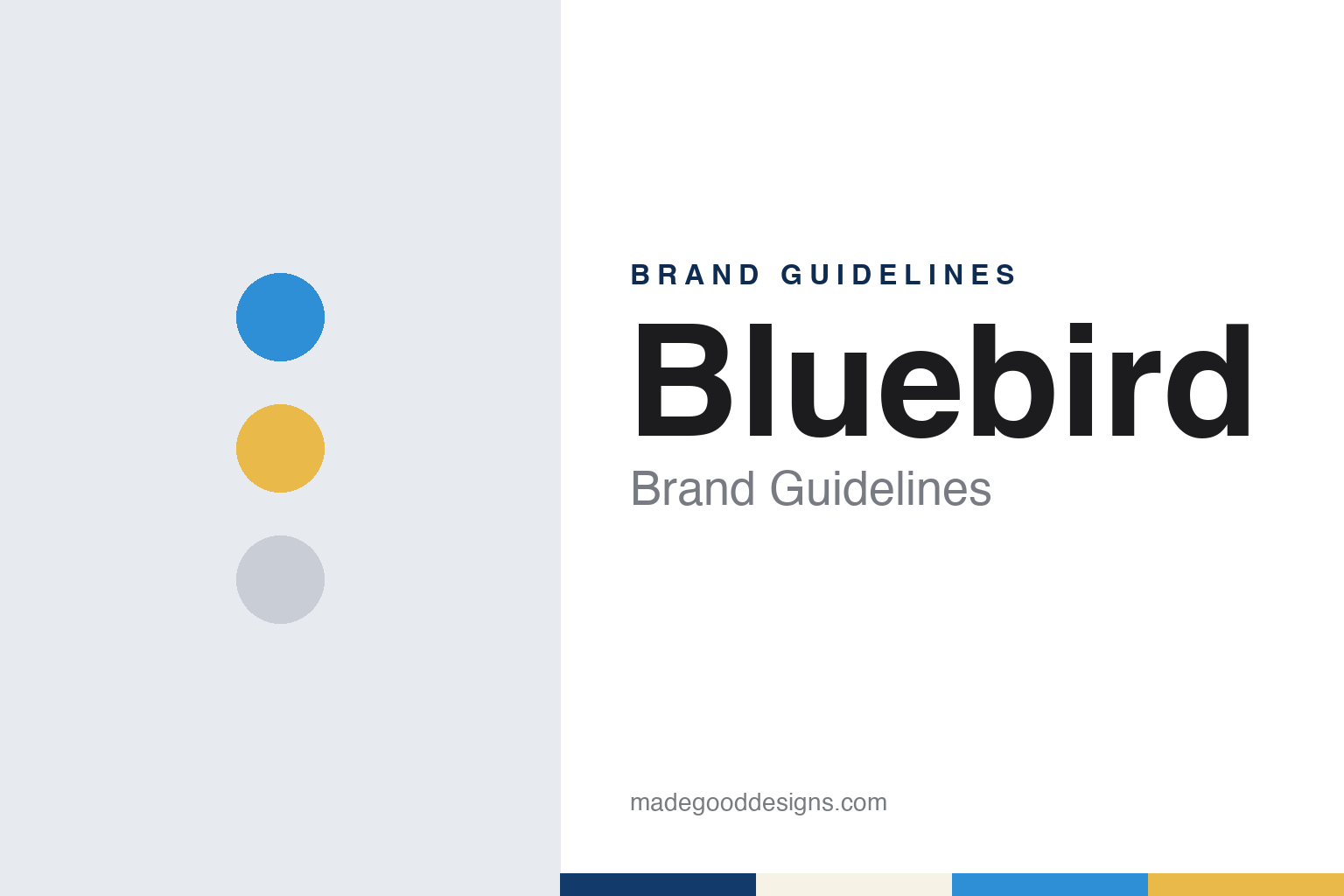
Two constants: a sky blue, deep navy and chip gold palette and a rounded friendly sans register. Abstract homage — not a Bluebird product or mark; no pack, logo or bird is reproduced.
Popcorn at the speedway
A stall at Western Springs and a 1953 opening.
Bluebird is one of the best-known snack names in New Zealand, and its story, as the company tells it, begins at a racetrack rather than in a factory. Bluebird’s heritage page says that the entrepreneur Les Saussey started out selling popcorn, and then potato chips, at the Western Springs Speedway in Auckland. The company dates the business itself to 1953, the year it says Bluebird “officially opened its doors.”
The first range was small. According to the company, Saussey widened it from plain chips to include salt & vinegar and chicken flavours, and from that start Bluebird grew into what it now describes as one of the biggest snack food manufacturers in the country.
The brand has a single home. English Wikipedia says that all of the company’s snacks are made at the Bluebird Foods factory in Wiri, in South Auckland. The list of what comes out of that factory shows how far the business has moved from one man’s chip stall. Alongside Bluebird’s own potato chips, the company names Doritos, Grain Waves, Twisties, Cheezels, Rashuns and Burger Rings among its products, and English Wikipedia adds Copper Kettle, Red Rock Deli, Poppa Jacks and Lay’s to the current list.
Colour
Goodman Fielder, Burns Philp and PepsiCo.
By the early 2000s Bluebird belonged to one of the region’s largest food groups. English Wikipedia says it was part of Goodman Fielder, the Australian and New Zealand baker and food company, and then came under Burns Philp, the group controlled by the New Zealand investor Graeme Hart, which took over Goodman Fielder in 2003. When Goodman Fielder was floated on the stock market again in 2005, the Bluebird snacks business was not part of the listing, the Goodman Fielder article says.
Bluebird grew by buying rivals in that period. In October 2005, English Wikipedia says, it acquired the Krispa and Aztec brands from Hansells NZ, which made it one of the largest snack food manufacturers in New Zealand.
A sale followed within a year. English Wikipedia says that Burns Philp first tried to sell Bluebird to Nestlé together with the Australian oats and cereal brand Uncle Tobys; Nestlé bought Uncle Tobys in May 2006 but did not take the snacks business. The Australian Financial Review reported on 27 September 2006 that Burns Philp was set to sell Bluebird, and PepsiCo bought the company in 2006, English Wikipedia says. Bluebird Foods Ltd has been a New Zealand division of PepsiCo since then.
The new owner brought its own brands into the factory. In March 2010 The New Zealand Herald reported, under the headline “Kiwi icons kicked off shelves to make way for US chips,” that local corn-chip brands were being replaced; English Wikipedia, citing that report, says Aztec and CC’s corn chips gave way to Doritos. Other local names have gone too. English Wikipedia lists Krispa, Biguns, Party Corn Chips and Le Snak among Bluebird’s discontinued brands, and in 2023 the Herald included Biguns in a list of Kiwi snacks readers would like to see brought back.
Typography
Design and documentation.
The seven brands in this group all make food, and all of them come from New Zealand and Australia: Cottee’s, Griffin’s, Wattie’s, Eta, Bluebird, Anchor and Mainland. Food brands from the two countries in general sit at many different points in the trade, from names that still carry a founder’s surname to names that now belong to much larger food groups, and a single brand can be sold everywhere from a corner dairy to a supermarket shelf.
A food brand’s identity is usually carried less by a single product than by a pack, a name and the meal or snack it promises, because the company behind the name may have changed hands, moved its factory or grown far beyond the town where it started. That makes the questions behind each name worth asking plainly: who started it, who owns it now, and where its food is actually made and packed.
Each guide separates what independent sources record from what the company says about itself — its founding story, its owners over time, where its food is made and how its packaging has changed — and marks plainly what rests only on the company’s own word.
Aa
A rounded friendly sans for a chip brand born at a speedway. (Specimen set in Fredoka, a sans STAND-IN; NOT the Bluebird logo.)
Bluebird
Foil packs, a people’s chip and Kiwi crossovers.
The look of the packet has changed with the materials. In 2008, English Wikipedia says, Bluebird began wrapping most of its chips in foil instead of the soft plastic film it had used before, while its corn snacks stayed in the earlier packaging.
Much of Bluebird’s recent marketing has leaned on New Zealand’s own tastes. In 2009 the company teamed up with the Auckland radio station The Rock on a campaign called “The People’s Chip,” in which listeners chose a new flavour; the winner, English Wikipedia says, was marmite and cheese. Later flavours borrowed other local brands. English Wikipedia says Bluebird partnered with Wattie’s to make tomato sauce and mince pie flavoured chips, citing The New Zealand Herald, which in December 2017 wrote about a run of such crossovers as the latest “crazy Kiwi food combo.” In November 2023 the sausage maker Hellers released limited-edition sausages flavoured like two Bluebird snacks, Rashuns and Burger Rings, 1 News reported. That tie-up ran the other way from the Wattie’s one: rather than a chip made to taste of another brand’s food, it was a sausage made to taste of Bluebird’s snacks.
The portfolio itself mixes local and global names. English Wikipedia’s list of current brands runs from Bluebird Original Cut Chips, Copper Kettle and Poppa Jacks to PepsiCo’s international names, among them Doritos, Cheetos, Lay’s, Ruffles and Popcorners, all made under the Bluebird Foods business in New Zealand. The range is still moving. English Wikipedia, citing the trade magazine Inside FMCG in May 2026, says PepsiCo New Zealand has added crackers under the Bluebird business this year as part of a set of new snack formats and product lines.
For a design guide, Bluebird shows how a local chip name can outlast several owners and sit beside global brands made in the same Auckland factory. Compare Smith’s, PepsiCo’s Australian chip brand, and Twisties, the Australian cheese snack that Bluebird also makes in New Zealand. For this guide we use sky blue, deep navy and a chip gold with a rounded sans, an unofficial interpretation; no product or logo is reproduced.
Explore & save
Keep Bluebird’s identity on hand — save it to a board in the Made Good inspiration library.
Bluebird identity set
Pin the Bluebird sky blue, deep navy and chip gold palette and the rounded friendly sans register to your own board.