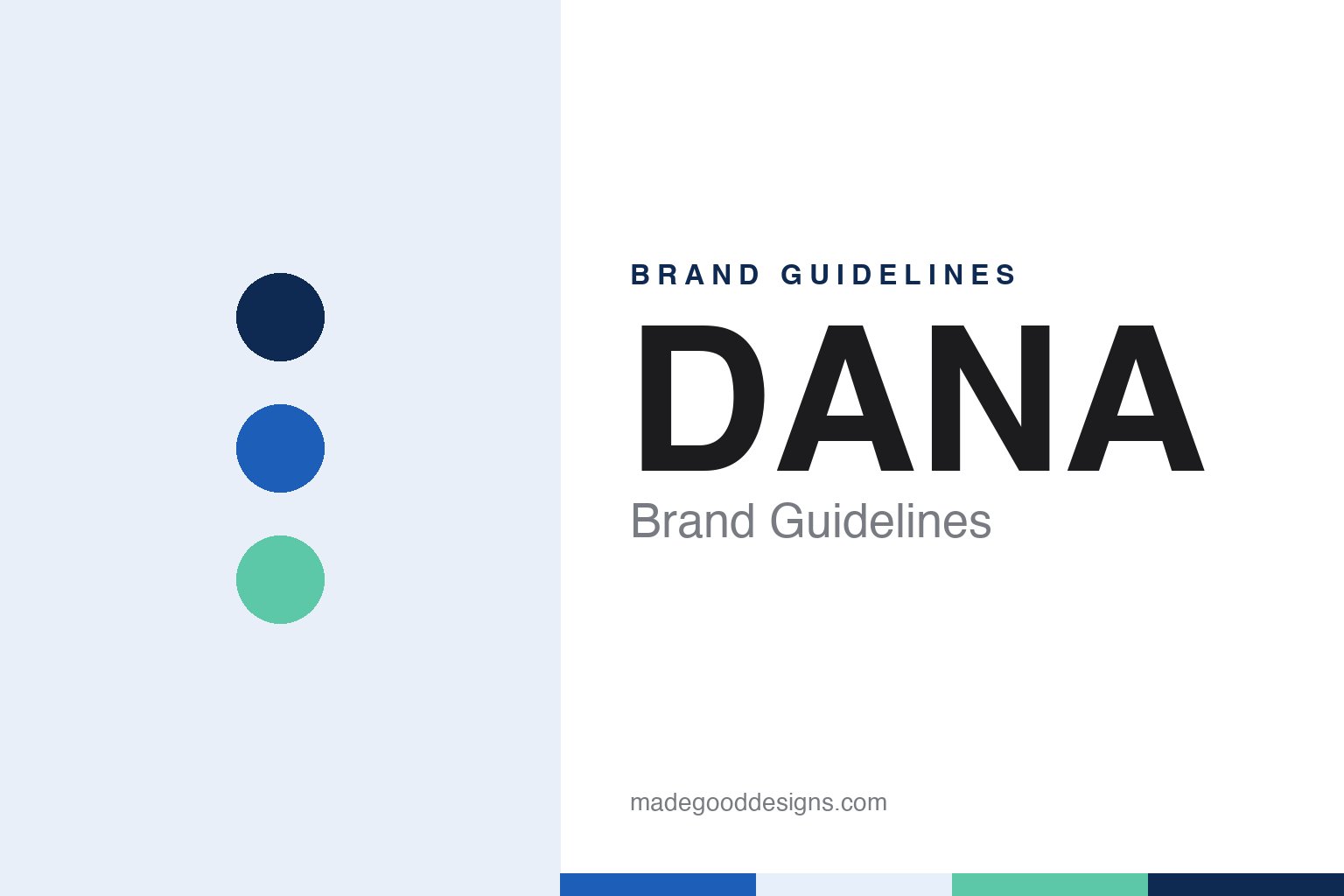
DANA Brand Guidelines
The Jakarta wallet that put QR codes and a drama-free promise at the centre.
Aa
Two constants: a blue, navy and mint palette and a humanist sans register. Abstract homage — not a DANA product or mark; no app screen, logo or QR code is reproduced.
A 2018 wallet
Emtek, Ant Group and a “lifestyle payment app.”
DANA is an Indonesian e-wallet run by PT Espay Debit Indonesia Koe, the company named as its maker in coverage of a 2020 Bank Indonesia award. The service was released in 2018, according to its chief executive and co-founder, Vince Iswara, in a statement reported by detikINET in August 2022. In the same statement he named its earlier shareholders as EMTEK Group, the group listed in Jakarta as PT Elang Mahkota Teknologi, and Ant Group.
The company writes its name in capitals, DANA. In lower case, dana is the everyday Indonesian word for funds.
DANA describes itself as a “lifestyle payment app,” Merdeka reported in August 2021, and attaches the hashtag #BebasDrama — “drama-free” — to its transactions. The same report quoted Vince Iswara on ease of use, convenience and access as the foundations of public confidence in digital payments.
The shareholder list grew in 2022. On 11 August 2022 DANA announced that an investment by Sinar Mas and the e-commerce company Lazada Group had been completed, detikINET reported, with both joining EMTEK and Ant Group as shareholders. Vince Iswara said the support of local and regional backers would help the company accelerate the growth of an open ecosystem platform.
The company gave its own figures at the time. According to the August 2022 statement, DANA had more than 115 million users, handled an average of more than ten million transactions a day, was accepted by more than 18 million merchants in the national QRIS network and had more than 900 employees, most of them engineers. It said it had been the most downloaded app in Indonesia’s finance category in 2021.
Colour
DANA v.2.0 and #BebasDrama.
The clearest design record is the 2021 redesign. In August 2021, alongside Indonesia’s Independence Day, DANA launched DANA v.2.0, a new interface for the app, Merdeka reported on 27 August 2021. Vince Iswara presented it at the first edition of an online discussion series called DANA Tech Talk and said work on the interface and the user experience would continue as a constant focus.
The changes were practical. The home screen, called DANA Home, was made cleaner, with more contextual information for each component and a menu labelled “Hanya Untukmu,” or “Just for you,” for referral codes and vouchers. The Kirim Uang, or send-money, feature gained a search field and a row of recent destinations as shortcuts, whether to other DANA users or bank accounts. iPhone users gained a widget showing spending from DANA Statement without opening the app, and a daily limit could be set for each card. The company named friendliness and accessibility among the pillars behind the update.
Recognition came from the central bank. At Bank Indonesia’s annual meeting, held online on 3 December 2020, DANA received a Bank Indonesia Award 2020 as a payment system provider for its QRIS programme for merchants, in the non-bank category, Bola.net reported; the bank Bank Central Asia took the matching award in the bank category.
QR codes then took DANA abroad. On 17 November 2023 detikFinance reported that Bank Indonesia and the Monetary Authority of Singapore had linked their QR payment systems, QRIS and NETS, and that DANA was among the first non-bank payment providers to take part. Indonesian users could pay Singapore merchants through NETS QR in the app, and visitors from Singapore could pay DANA merchants through QRIS. Vince Iswara said DANA had joined the cross-border QR launches in Thailand and Malaysia before Singapore.
In November 2025 DANA began letting travellers from overseas link their credit cards to the e-wallet and pay small and medium-sized merchants through QRIS, The Business Times reported on 17 November 2025, calling DANA the first major Indonesian e-wallet firm to offer the service. Its chief innovation officer presented the plan at the Singapore FinTech Festival as the next step in the company’s domestic and regional expansion.
Typography
Wallets, QR codes and local names.
Asian e-wallets and payment apps tend to present themselves first through a small square: the app icon. Bright blues, greens, pinks, purples and oranges are common choices, often with a single letter or a short word set in a rounded sans, because the icon has to be found quickly on a crowded phone screen and read at the size of a fingertip. The same colour usually carries through to buttons, cards and the bar at the top of the home screen.
The QR code is the other recurring image. Many wallets grew up around scanning a printed code at a shop counter, and national standards such as QRIS in Indonesia and QR Ph in the Philippines mean one code can often be read by several apps. Marketing pages show phones held over codes, stickers on stall fronts and receipts on screen, so the payment itself becomes part of the identity.
Names and taglines often lean on the local language and on everyday speech. Product families frequently share a prefix or a letter, so that savings, credit, insurance and investment features read as parts of one app. Promotions bring their own visual layer: cashback badges, countdown timers, vouchers and, for some brands, mascots or illustrated characters that soften a financial product.
Behind the consumer screens sit two other audiences. Websites usually divide into pages on transfers, bills, mobile top-ups, micro-loans and pay-later credit for users, and pages on QR acceptance, payouts and point-of-sale tools for merchants. A third layer of newsroom, regulatory and investor pages has grown as several of these companies have joined stock exchanges, and those pages tend to use a quieter version of the same palette.
Aa
A humanist sans for a four-letter name set in capitals. (Specimen set in Plus Jakarta Sans, a sans STAND-IN; NOT the DANA logo.)
DANA
Four shareholders and a QR code.
DANA’s shareholders, as the company listed them in August 2022, were EMTEK Group, Ant Group, Sinar Mas and Lazada Group, according to the statement reported by detikINET. In that statement the company described itself as an open ecosystem platform and said the new investment would prepare it for its next phase of growth.
QR payments run through the record. Its Bank Indonesia award in 2020 was for its QRIS programme for merchants; its 2022 figures were counted in QRIS merchants; and its moves into Singapore in 2023 and towards foreign visitors in 2025 both ran through QR payments. The 2021 redesign focused on the same everyday tasks: sending money, checking spending and paying at a till.
The wording mixes English and Indonesian in short phrases: “lifestyle payment app,” #BebasDrama, and menu names such as Kirim Uang and Hanya Untukmu, all under the capitalised name DANA.
For a design guide, DANA shows how a wallet without its own ride-hailing or shopping app can build a brand around QR payments, a short capitalised name and a light, drama-free tone. Compare OVO, another Jakarta wallet built around partner merchants, and GoPay, the wallet that grew inside Gojek. For this guide we use a clear blue, a night navy and a fresh mint with a humanist sans, an unofficial interpretation; no product or logo is reproduced.
Explore & save
Keep DANA’s identity on hand — save it to a board in the Made Good inspiration library.
DANA identity set
Pin the DANA blue, navy and mint palette and the humanist sans register to your own board.