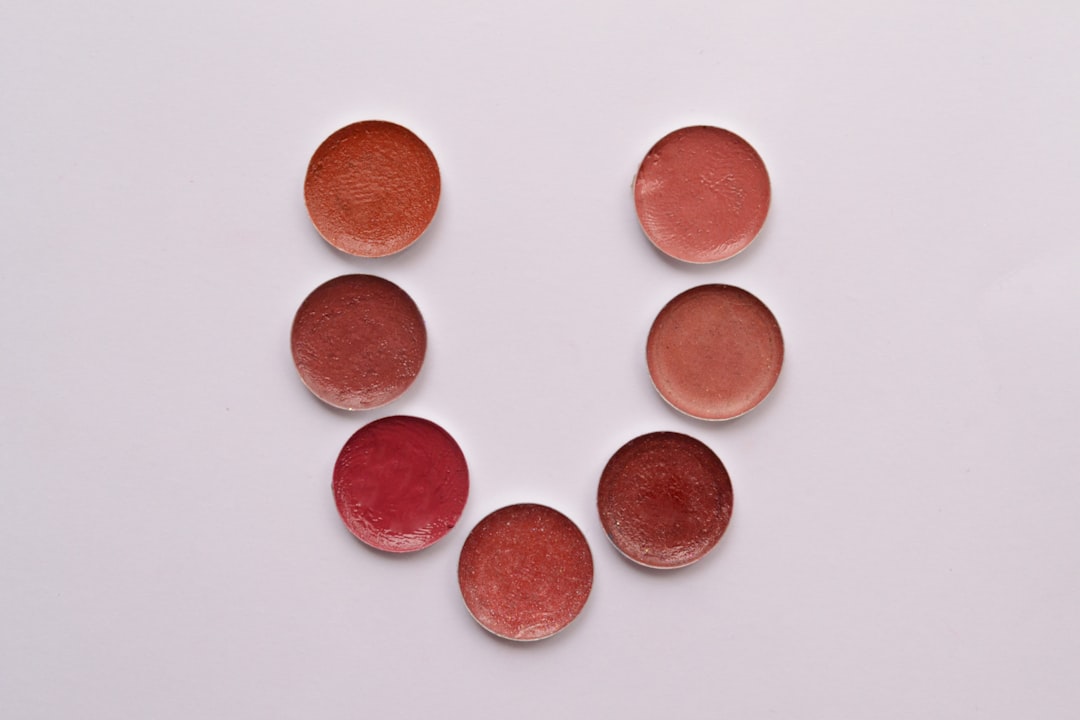
Shades of Blush: Names and Hex Codes
There are many recognized shades of blush, from the warm rosy-pink classic to pale petal tones and muted dusty hues. Below is a practitioner reference: each shade with its name, hex code, RGB value, and a note on where it works best. Use it as a swatch library when building a palette, and pair it with our guide to color psychology when you need the symbolism behind the swatch.
A quick note on terminology, because “blush” is used two ways. As a deep tone, blush is cited as #DE5D83, a rosy red-pink; in everyday design use, “blush” usually means the soft, pale pink-with-a-warm-cast seen in beauty and wedding palettes. It is frequently confused with pink (cooler, more saturated) and rose (deeper). If you need that distinction, see our comparisons of blush vs pink and rose vs blush. Throughout this guide, “shades of blush” covers every named variation in that soft, warm, rosy-pink family.
Each entry below gives three values so you can use it anywhere: the hex code (for CSS, HTML, and most design tools), the RGB triplet (for screen-based tools that ask for red, green, and blue channels separately), and a short note on the mood and best use of that shade. If you need CMYK or a Pantone match for print, convert from the hex value in your design software, and always proof — soft pinks shift noticeably between screen and press.
Classic blushes
These are the core blushes most people picture — warm, rosy pinks used in beauty, wedding, and lifestyle branding.
| Shade name | Hex | RGB | Notes / use |
|---|---|---|---|
| Blush | #DE5D83 | 222, 93, 131 | Deep rosy red-pink; vivid, warm. |
| Blush Pink | #FEC5BB | 254, 197, 187 | Soft warm pink; gentle, romantic. |
| Warm Blush | #E8A4A0 | 232, 164, 160 | Coral-leaning pink; inviting, soft. |
| Soft Blush | #E4B4B0 | 228, 180, 176 | Muted petal pink; calm, elegant. |
| Rose Blush | #D8939B | 216, 147, 155 | Deeper rosy pink; romantic, rich. |
| Petal Blush | #EFB8C8 | 239, 184, 200 | Soft cool-pink petal; airy, feminine. |
Light and pale blushes
The palest, most delicate blushes — soft enough for backgrounds, weddings, and airy beauty palettes.
| Shade name | Hex | RGB | Notes / use |
|---|---|---|---|
| Light Blush | #F4C2C2 | 244, 194, 194 | Pale baby-pink; soft, gentle. |
| Pale Blush | #FADADD | 250, 218, 221 | Whisper-soft pink; clean, delicate. |
| Blush Mist | #FCE4EC | 252, 228, 236 | Near-white pink; subtle, background-friendly. |
| Powder Blush | #F7D9D5 | 247, 217, 213 | Soft powdery pink; matte, gentle. |
| Cream Blush | #F2CFC9 | 242, 207, 201 | Warm peachy-cream pink; soft, inviting. |
| Ballet Blush | #FBE0E6 | 251, 224, 230 | Pale ballet pink; light, refined. |
Dusty and muted blushes
Pushed toward gray and brown, these muted blushes add sophistication and earthiness to a soft palette.
| Shade name | Hex | RGB | Notes / use |
|---|---|---|---|
| Dusty Blush | #C99789 | 201, 151, 137 | Muted clay-pink; earthy, refined. |
| Mauve Blush | #D6A8A0 | 214, 168, 160 | Soft mauve-pink; subtle, elegant. |
| Taupe Blush | #BC9A92 | 188, 154, 146 | Gray-pink taupe; understated, modern. |
| Dusty Rose Blush | #C08497 | 192, 132, 151 | Muted rosy mauve; vintage, soft. |
| Antique Blush | #B6878A | 182, 135, 138 | Aged dusty pink; heritage, calm. |
| Tea Rose Blush | #D4A5A5 | 212, 165, 165 | Soft muted rose; romantic, refined. |
Peach and coral blushes
The warmer, peachier blushes that tip toward coral and apricot — the sunniest of the family.
| Shade name | Hex | RGB | Notes / use |
|---|---|---|---|
| Peach Blush | #FFDAB9 | 255, 218, 185 | Warm peach-pink; soft, friendly. |
| Apricot Blush | #F7C8B0 | 247, 200, 176 | Soft apricot-pink; warm, inviting. |
| Coral Blush | #F6A192 | 246, 161, 146 | Warm coral-pink; lively, fresh. |
| Salmon Blush | #FBC4AB | 251, 196, 171 | Soft salmon-pink; warm, gentle. |
What are the most popular shades of blush?
The most-used named blushes in design are blush (#DE5D83), blush pink (#FEC5BB), light blush (#F4C2C2), dusty blush (#C99789), and peach blush (#FFDAB9). Deep blush dominates bold beauty branding; blush pink and light blush carry soft wedding and lifestyle palettes; dusty blush adds earthy sophistication; and peach blush brings warmth. Lighter blushes feel airy and romantic, while dustier blushes project muted, modern elegance.
Blush’s appeal is that it reads as the most gentle and flattering of the pinks — it carries the softness of pink but warms it with a peachy or rosy cast that feels skin-like and inviting rather than candy-sweet. That makes it a favorite for beauty and skincare, weddings, fashion, and lifestyle brands, where the association with healthy, glowing skin does instant warmth work. Because it sits between pink, peach, and mauve, blush flexes from pale and romantic to dusty and editorial. Choosing a blush is really choosing how pale, how muted, or how peachy you want that soft rosy tone to lean.
Blush is a notoriously subtle color where tiny shifts in warmth and saturation completely change the mood, which is the most useful thing to know when specifying it. On screen, a hex like #FEC5BB reads soft and warm, but the same tone can look peachier or grayer on different displays. The values in the tables above — blush at #DE5D83, blush pink at #FEC5BB, dusty blush at #C99789 — are the widely cited references, but always pin the exact hex in your documentation and proof on multiple screens. This matters doubly in beauty and packaging, where blush tones shift under store lighting and read warmer or cooler than expected against skin tones.
How to use shades of blush in design
Blush is a soft, flattering accent or base that signals warmth and femininity. Pair pale blush pink with deep navy, forest green, or charcoal for an elegant, grounded palette, or with cream and gold for a soft, romantic wedding look. Muted dusty blush works beautifully as a sophisticated editorial base, while deep blush (#DE5D83) makes a bold accent.
Practical guidance: blush’s natural partners are deep neutrals and greens, which keep its softness from reading as washed-out. For type, pale blushes are too light for body text on white; use them as backgrounds or large fills, and reserve deeper blush for accents. To keep blush from feeling overly sweet, anchor it with charcoal, deep green, or a metallic, and add plenty of white space. Blush sits close to pink and rose; see our comparisons of blush vs pink and rose vs blush, and explore neighboring warm tones in our reference on shades of apricot.
Frequently Asked Questions
What is the hex code for blush?
Blush as a named color is cited as #DE5D83, RGB 222, 93, 131 — a deep rosy red-pink. In everyday design, “blush” usually refers to the soft pale pink seen in beauty palettes, commonly given as blush pink #FEC5BB or light blush #F4C2C2.
What is the difference between blush and pink?
Blush is a softer, warmer, more muted pink with a peachy or rosy cast, while standard pink is cooler and more saturated. Blush reads as gentle and skin-like; pink reads as brighter and sweeter. See our full blush vs pink comparison for examples and palette ideas.
What is the difference between blush and rose?
Blush (#FEC5BB) is a pale, soft warm pink, while rose is deeper, richer, and more saturated toward red. Blush feels delicate and romantic; rose feels bold and classic. Rose blush (#D8939B) bridges the two with a deeper rosy pink. See our rose vs blush comparison for more.
Which shade of blush is best for a brand?
For beauty and weddings, blush pink (#FEC5BB) feels soft and flattering. For modern, editorial identities, dusty blush (#C99789) adds muted sophistication. For bold accents, deep blush (#DE5D83) makes a statement. Choose by how pale, muted, or peachy you want the identity to feel.
What colors go well with blush?
Blush pairs beautifully with deep navy, forest green, and charcoal for grounded contrast, and with cream, gold, and soft gray for a romantic palette. Burgundy creates a rich, classic combination, while sage green gives blush a fresh, contemporary feel.


