Design Movements
-

Cameo Jewelry: Hardstone, Shell and How to Read a Cameo
Quick answerCameo jewelry is jewellery set with a cameo: an image carved in raised relief, usually through a stone or shell with…
-
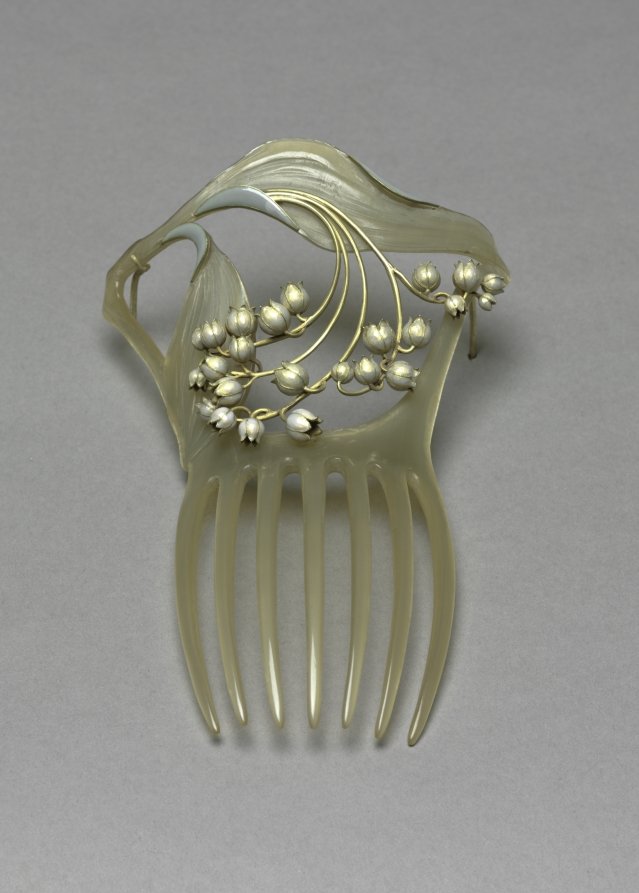
Art Nouveau Jewelry: Lalique, Fouquet, Mucha and Enamel
Quick answerArt nouveau jewelry is jewellery in the Art Nouveau style, which peaked around 1900 and centred on Paris, built from plants,…
-
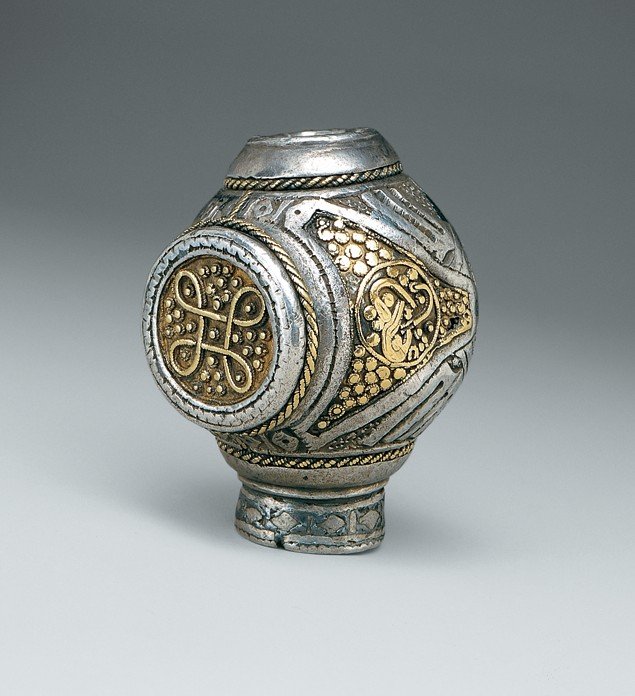
Viking Art: Animal Styles, Brooches and Runestones
Quick answerViking art is the decoration Scandinavians put on everyday objects between about 790 and 1100 CE: brooches, weapons, harness, wood carving…
-
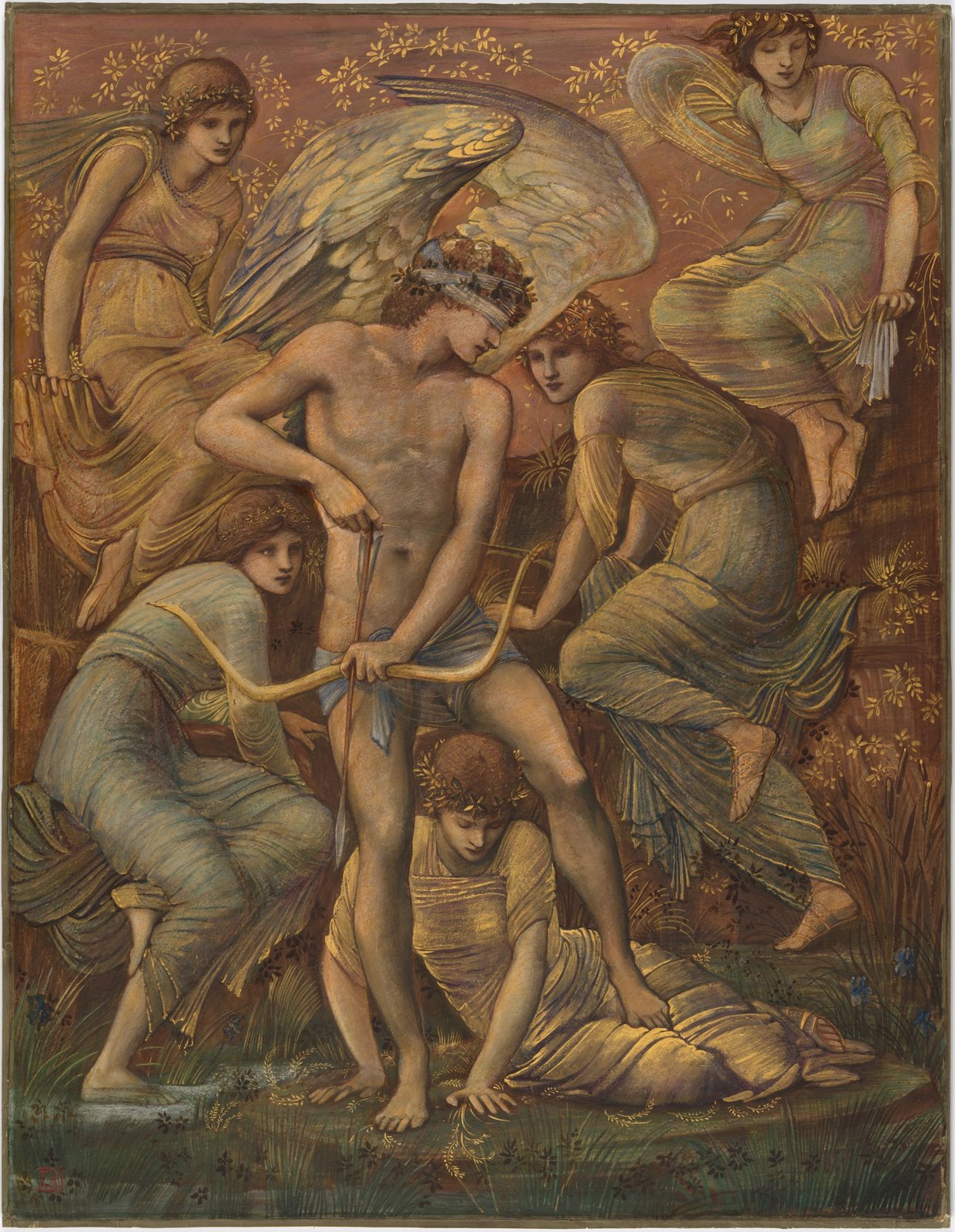
Victorian Art and Design: A Guide for Designers
Quick answerVictorian art is the art and design made in Britain during Queen Victoria’s reign, 1837 to 1901. It is not one…
-
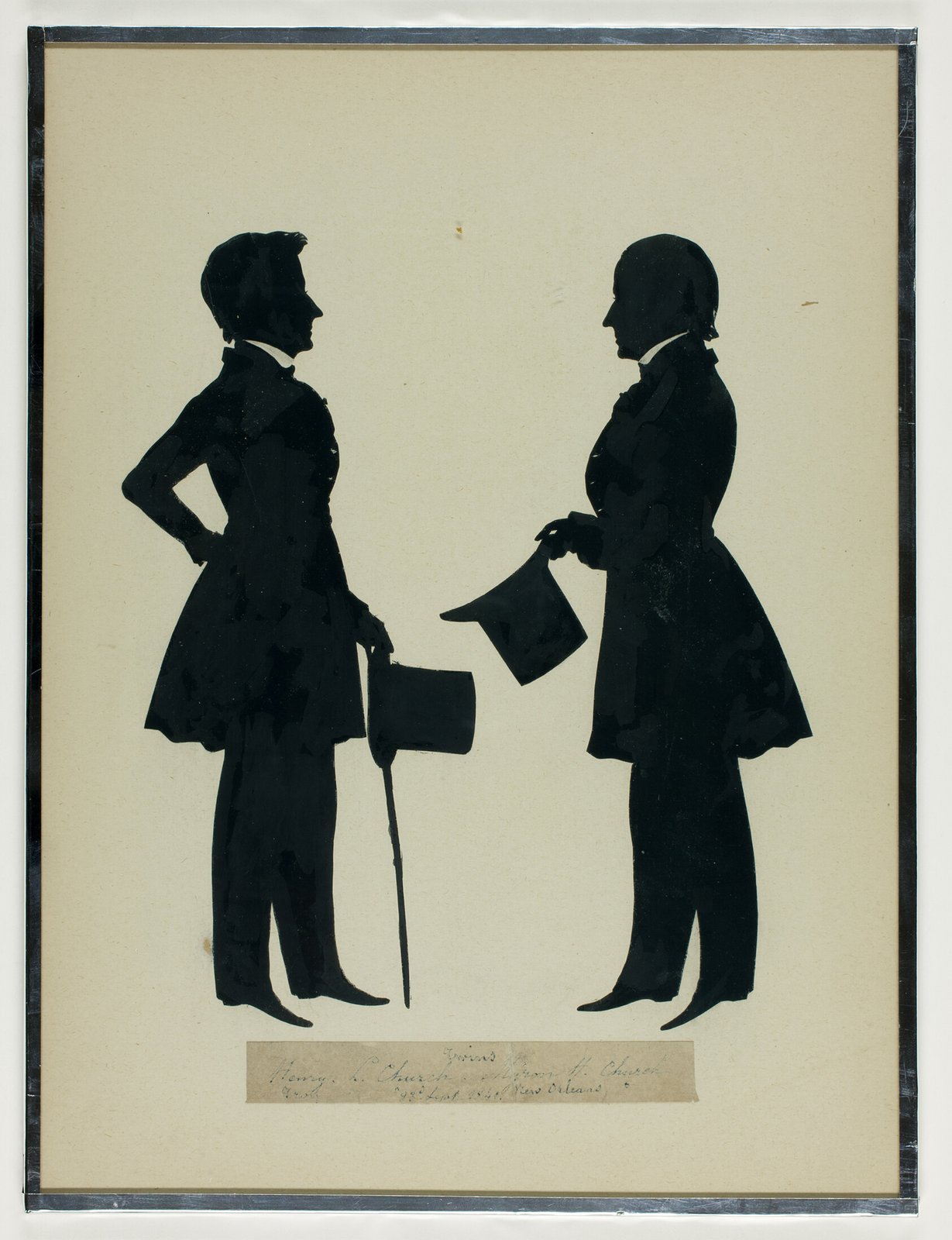
Silhouette Art: History, Cut-Paper Portraits and Design
Quick answerSilhouette art shows a subject as a solid, usually black, outline with no interior detail. It became a popular form of…
-
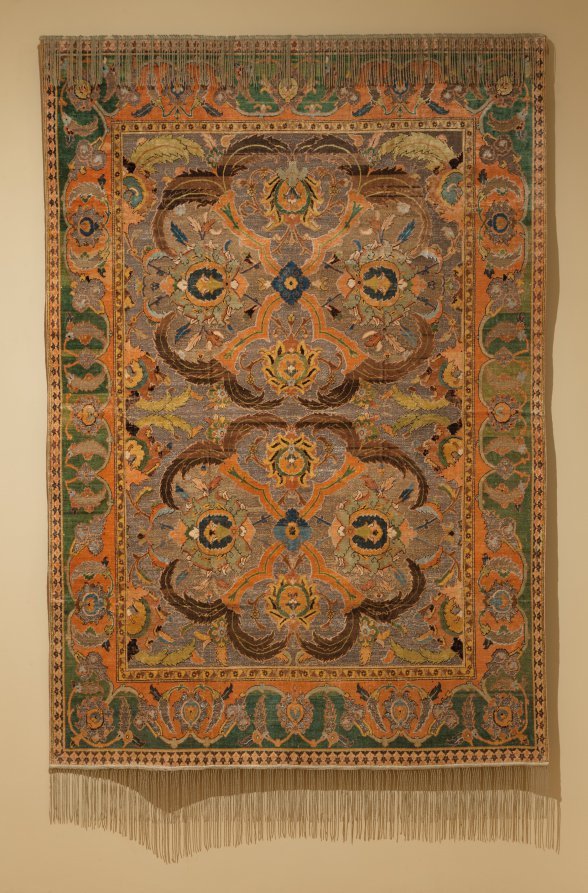
Persian Art: Reliefs, Carpets, Miniatures and Nasta’liq
Quick answerPersian art runs from the stone reliefs of Achaemenid Persepolis and the gilded silver of the Sasanian kings to the carpets,…
-

Japanese Family Crest (Kamon): History and Design Lessons
Quick answerA Japanese family crest, called kamon or simply mon, is a compact emblem, usually a plant, animal or geometric motif drawn…
-

Dutch Golden Age Painting: Light and Composition Lessons
Quick answerDutch Golden Age painting is the art of the 17th-century Dutch Republic, when painters sold to a broad market through dealers,…
-
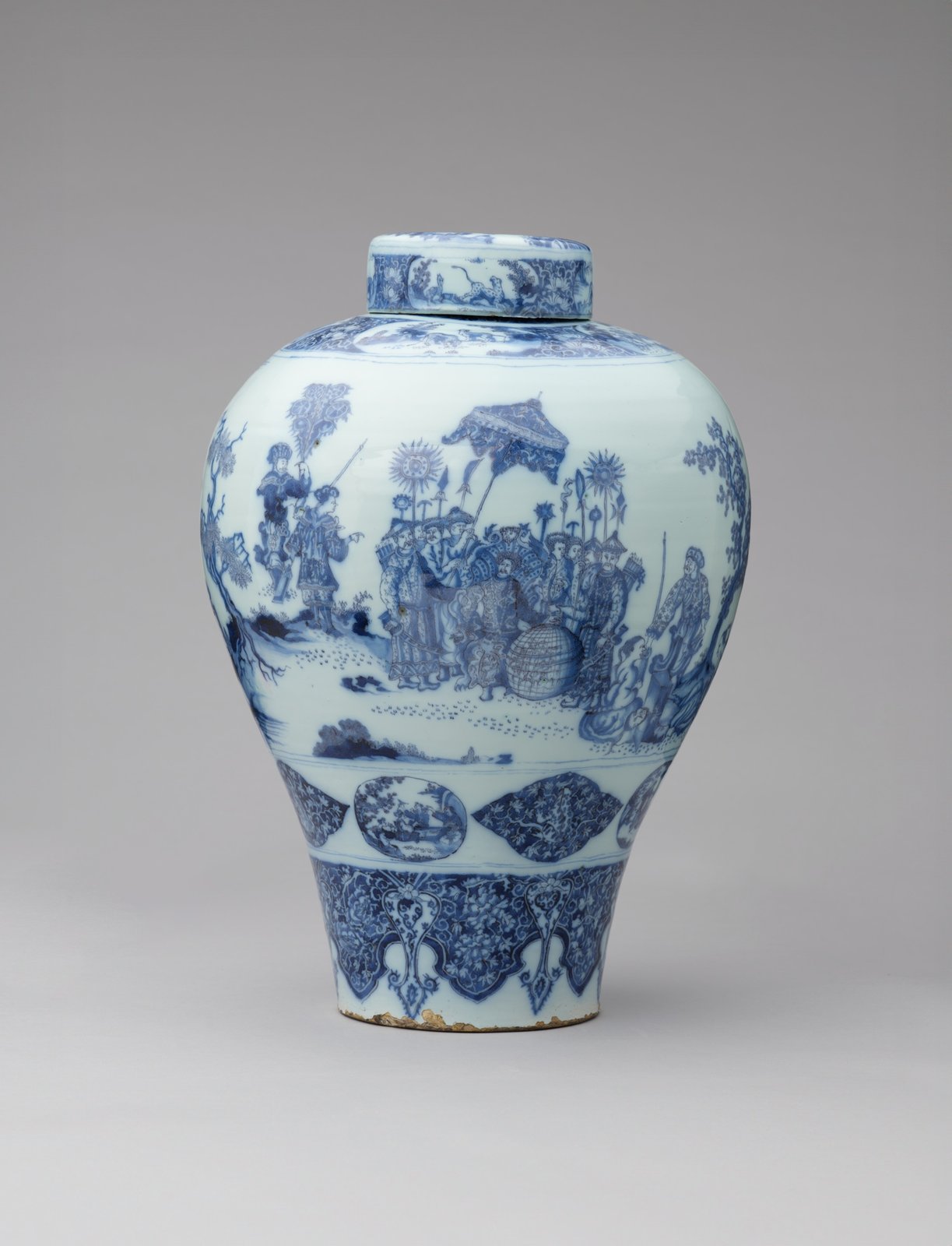
Delftware: Delft Blue Pottery, Tulip Vases and Tiles
Quick answerDelftware is tin-glazed earthenware made in the Dutch city of Delft from the 17th century, painted mostly in cobalt blue on…
-
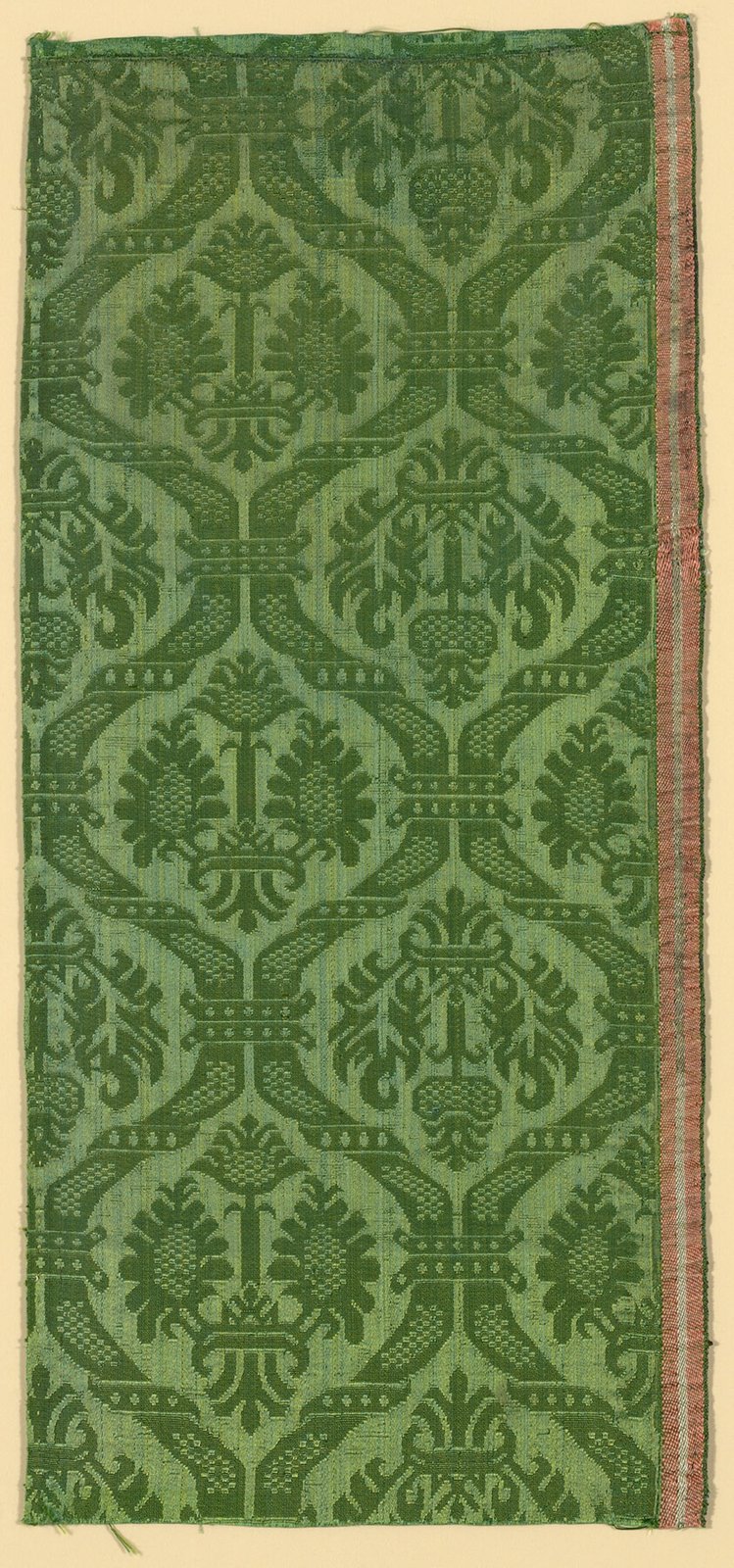
Damask Pattern: History, Weave and How to Design a Repeat
Quick answerA damask pattern is a figured design woven into the cloth itself, made visible by the contrast between the shiny and…
-

Venetian Glass: Murano Cristallo, Lattimo and Filigree
Quick answerVenetian glass is glass made in Venice, above all on the island of Murano, where the city’s industry was concentrated. Its…
-

Trompe l’Oeil: How Painters Fool the Eye, and Why It Works
Quick answerTrompe l’oeil is French for “deceives the eye”: painting or inlay that makes a flat surface pass, for a moment, as…