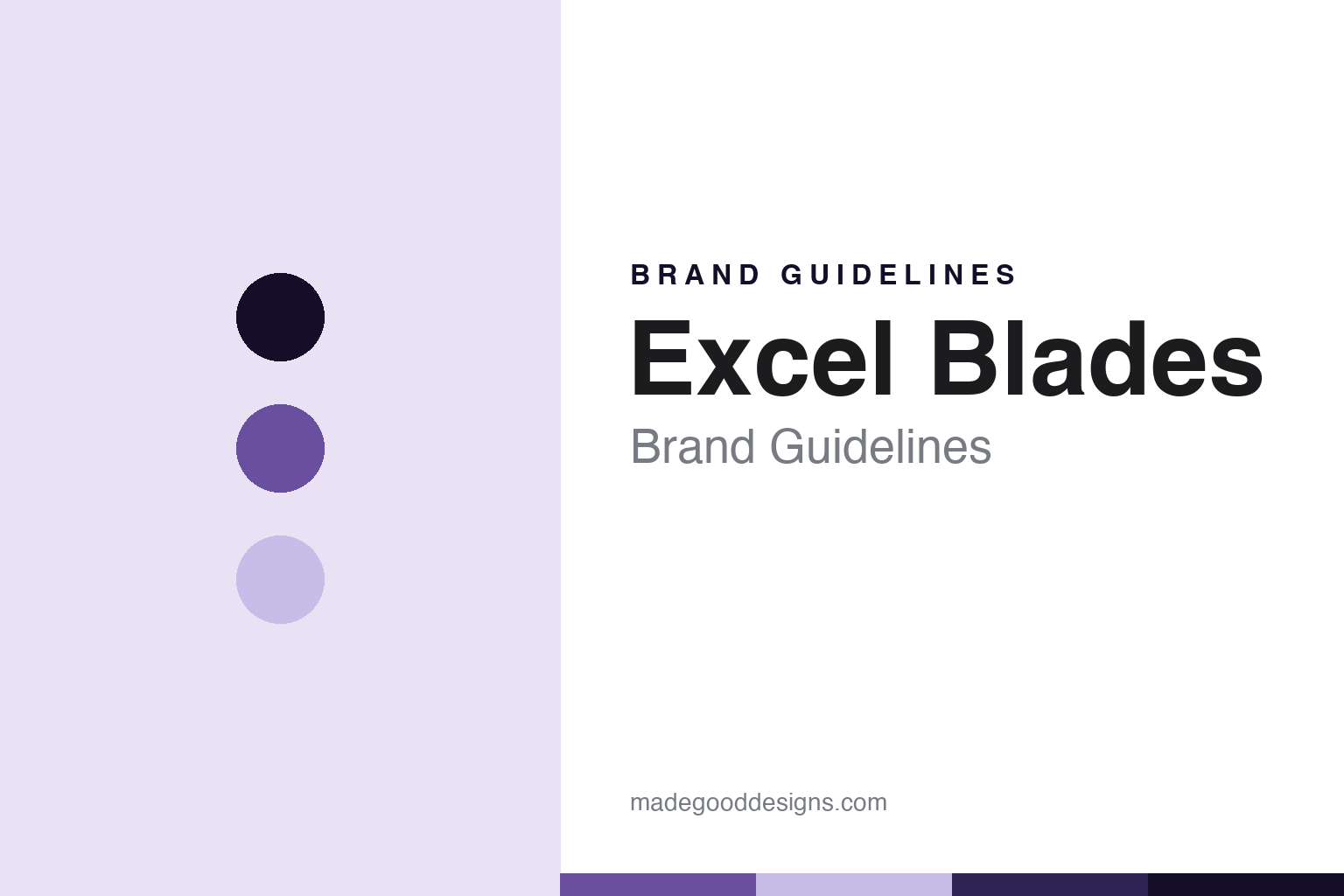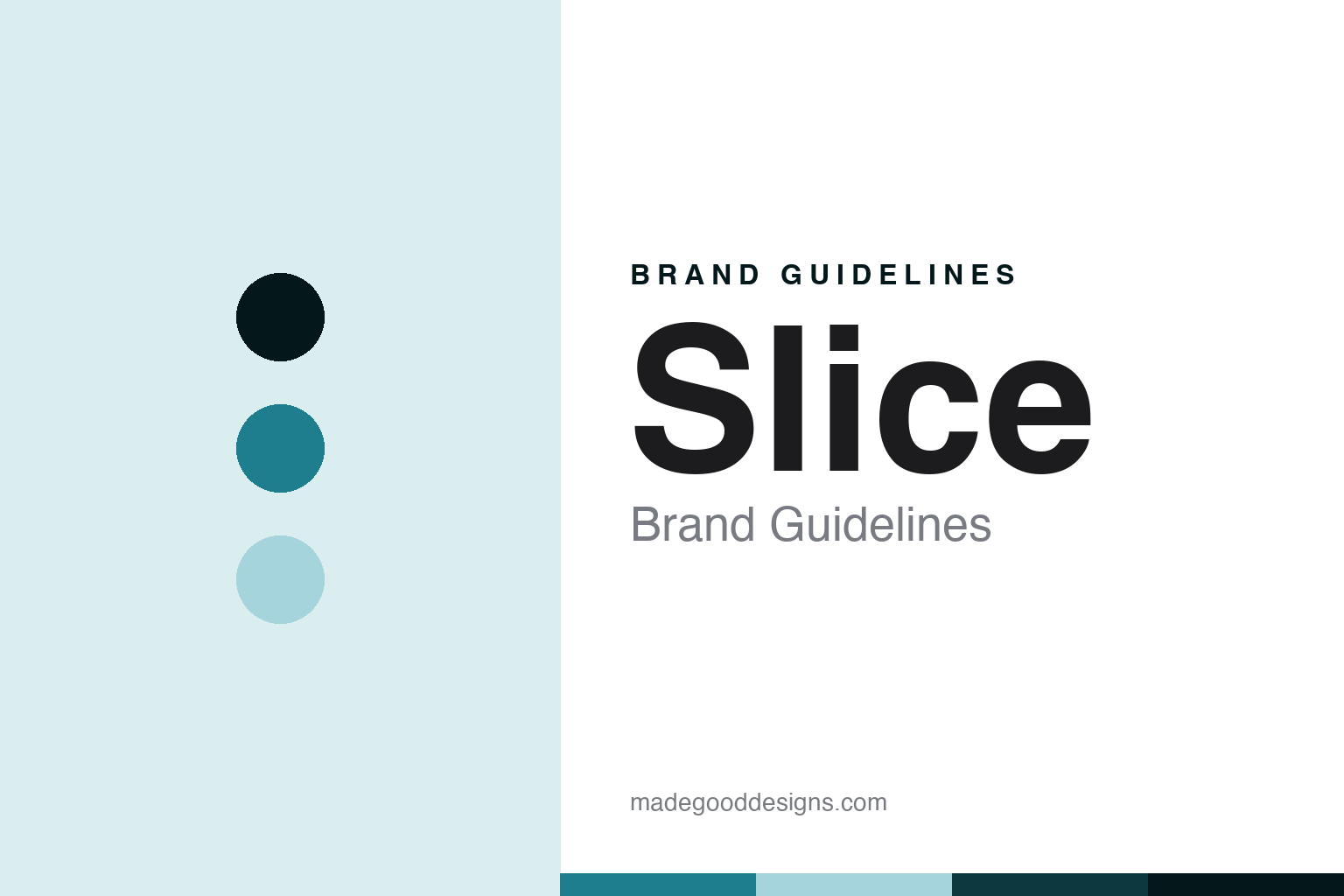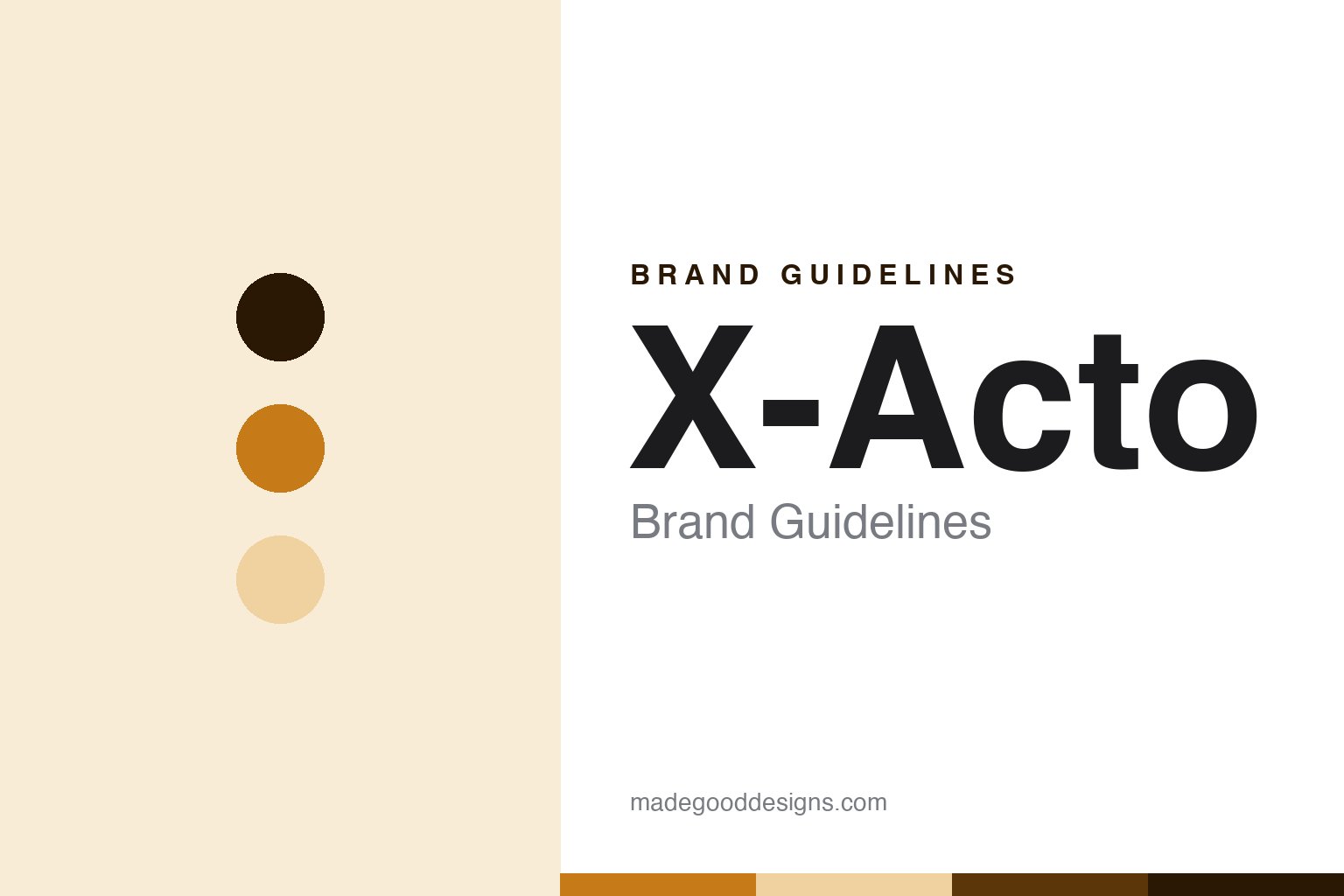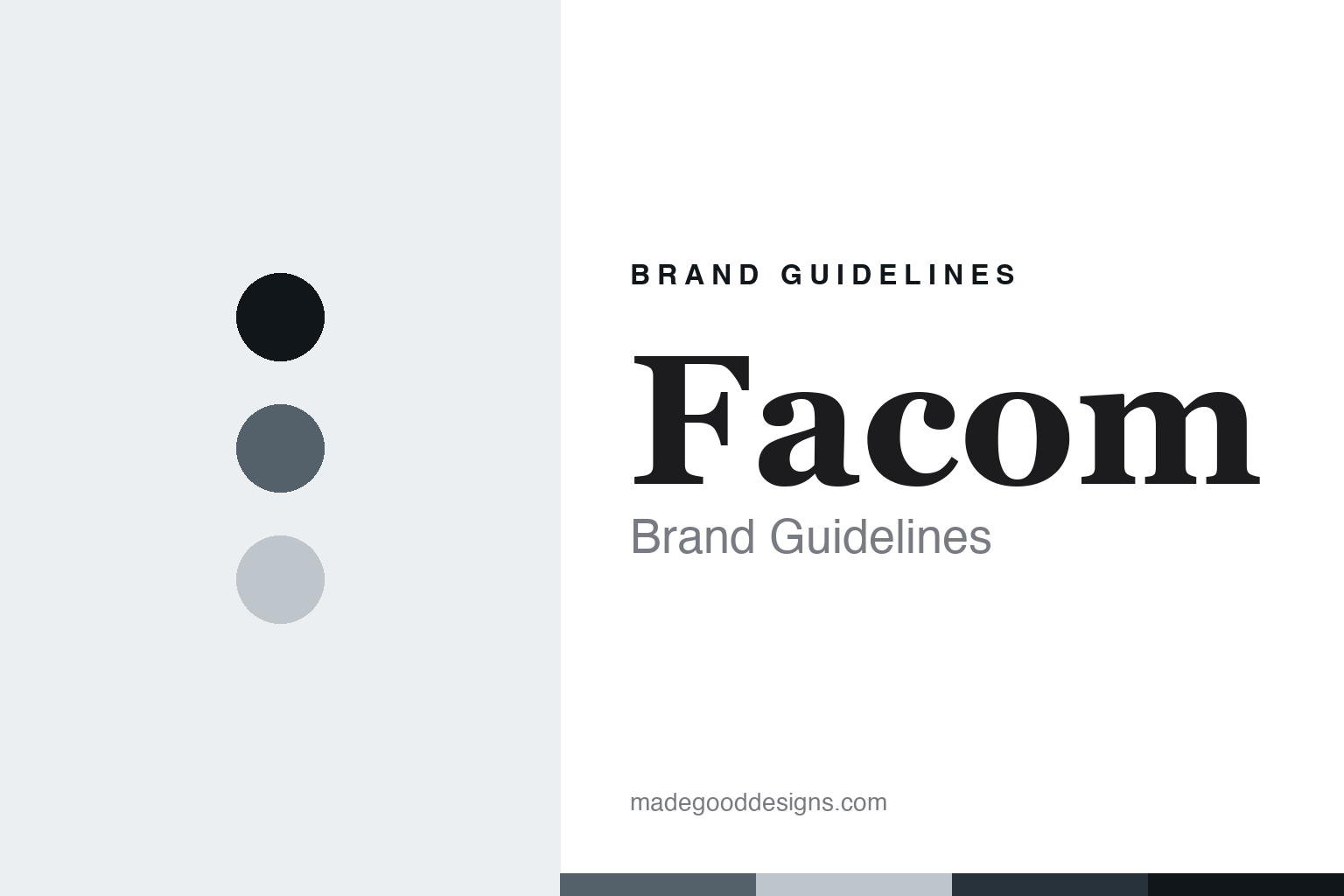
Facom Brand Guidelines
The French tool heritage inside a conglomerate.
Aa
Two constants: a gunmetal palette and a heritage-serif register. Abstract homage — not a Facom product or mark; no ratchet, tool-chest colour or logo is reproduced.
The French tool heritage inside a conglomerate
Facom is the French mechanic’s-tool maker founded in 1918, now a Stanley Black & Decker brand, its production spread from France across a global network.
Facom closes the precision-tool round as its conglomerate contrast — a storied French tool house that is now a brand inside a US giant, set against the family firms that stayed independent. It was founded in 1918 in Paris by Louis Mosès, a young engineer, in a small forge near the Gare de Lyon, under a grand name: Franco-Américaine de Construction d’Outillage Mécanique, which gives the acronym Facom. Facom makes and sells the tools, and its answer to a round about who owns tools and where they are made is the honest counterpoint: owned by a conglomerate, and made across a global network.
Its identity is the French tool heritage inside a conglomerate. The 1918 French founding, the Stanley Black & Decker ownership and the mechanic’s ratchets and tool chests are the story here. A brand, heritage — and absorbed. The French tool heritage inside a conglomerate.
(Honest notes, so the ownership is stated and the where-made claim is not romanticised. Facom sells mechanic’s and automotive tools as its heroes — its ratchets and sockets and its roller tool chests — and we report its performance language as the brand’s own. On ownership, the point that carries the round: Facom passed to the French holding company Fimalac in 1999, and was then acquired by Stanley Works in 2006, becoming part of Stanley Black & Decker after the 2010 merger — so it is a conglomerate brand today. A correction worth making: Facom itself bought other tool brands over the years; it was Stanley that later bought Facom, not the other way round. On where it is made: Facom keeps real French heritage and some French production, but under Stanley Black & Decker its sourcing is global — its flagship ratchets are reported to be made in Italy, and other lines elsewhere — so we do not romanticise it as wholly “made in France.” Its designs, the red tool-chest colour and the logo are IP we describe but do not reproduce; there is no official brand hex; these tones are an unofficial interpretation.)
Colour
Facom lives in a gunmetal. Click a swatch to copy the hex.
Facom’s identity is professional, industrial and absorbed — a gunmetal, an ink, a pale steel, a deep slate, and a paper. The palette leans gunmetal and pale steel: an industrial, workshop register that nods to a mechanic’s tools and a global maker rather than a loud logo colour, and deliberately not to the brand’s red tool chests. It signals a French tool heritage inside a conglomerate — serious, industrial and broad. The honest caveat: with no published brand hex, these values are an original, unofficial interpretation, not first-party colours.
The lesson is a gunmetal signals a professional, industrial identity. Facom’s world is the ratchet, the socket and the roller cabinet. For designers, it is a reminder that a neutral gunmetal and a soft pale steel can carry a tool brand — an industrial tone held as colour, not as a chest colour. Because these tones can fail as small text, keep type dark and let the colour live in the accents, palette and band. The takeaways: credit Louis Mosès; date it to 1918; name Stanley Black & Decker; and treat any single hex as unofficial.
Typography
The register is a heritage serif — professional, storied, industrial.
Facom’s identity carries a professional, storied, industrial spirit — a century-old French name, now global. A heritage serif captures the mood: classic, weighty and confident, the register of a maker founded in a 1918 Paris forge. Set in a gunmetal palette, the heritage serif feels storied and industrial — exactly the personality Facom carries. It behaves like an old, made name rather than a modern logo, mirroring machined steel. (Facom’s real ratchets, the red tool chests and the logo are things we describe but do not reproduce, and the exact typeface is not ours to use.) Because it is not ours to use, the honest description is “a heritage-serif brand,” shown here in a stand-in. The type behaves like the brand: professional, storied and industrial.
Aa
A heritage-serif brand — professional and storied. (Specimen set in Cormorant Garamond, a heritage-serif STAND-IN; NOT the Facom logo or the red tool-chest colour.)
The precision tool
Facom stands for the French tool heritage inside a conglomerate.
Facom closes the precision-tool round as its conglomerate contrast. A gunmetal palette, a heritage serif and a 1918 founding make one thing — the French tool heritage inside a conglomerate — the whole identity: professional, industrial and absorbed. The French founding is the pitch, and the Stanley Black & Decker ownership is the honest twist. The point is a storied French house now inside a US giant, closing a round that began with a family firm that stayed independent.
Put to work, the identity is the brand told straight, ownership named and where-made not romanticised. A maker in this spirit would credit Louis Mosès, date it to 1918, and name Stanley Black & Decker. A reader in this spirit would keep the facts right: Facom sells mechanic’s tools as its heroes, led by its ratchets, sockets and roller tool chests; it was founded in 1918 in Paris under the Franco-American name that gives its acronym; it passed to Fimalac in 1999 and to Stanley in 2006, and is a Stanley Black & Decker brand today; and its production is now global, with flagship ratchets reported to be made in Italy, not wholly in France. Facom closes the round, after Vessel, as the conglomerate counterpoint to the family houses. The honest editorial moves are to name the conglomerate owner, to correct the acquisition direction, to keep the made-in-France claim measured, and to keep any single hex unofficial.
For designers and brand-builders, Facom closes the precision tool: separate a heritage name from who owns it now — and don’t romanticise where it is made. The lessons: state a conglomerate owner plainly; correct an acquisition-direction error; keep a made-in-France claim to what is true; describe a signature product rather than depict it; and never reproduce a mark or a chest colour. It is also a reminder to stay precise: Facom is the French mechanic’s-tool maker founded in 1918, now a Stanley Black & Decker brand, its production spread from France across a global network — with the palette here an unofficial interpretation. There is a neat irony in the name: the grand Franco-American title was aspirational branding for a ten-worker Paris forge a full century before the company actually became American-owned. Read that way, Facom is less a ratchet than a heritage absorbed: professional, industrial, storied. The lesson for a brand is that heritage and honest ownership can coexist, and naming the conglomerate keeps the story earned. Facom made the-French-tool-heritage-inside-a-conglomerate the identity — proof that an absorbed name can close a round when told straight.
Explore & save
Keep Facom’s identity on hand — save it to a board in the Made Good inspiration library.
Facom identity set
Pin the gunmetal palette and the heritage-serif register to your own board.