Knipex Brand Guidelines
The German family pliers house.
Aa
Two constants: a forge-teal palette and an industrial-sans register. Abstract homage — not a Knipex product or mark; no plier, grip colour or logo is reproduced.
The German family pliers house
Knipex is the fourth-generation family-owned German pliers maker, founded in 1882 in Wuppertal, whose pliers and cutters are still made at the founding site in Cronenberg.
Knipex opens the precision-tool round as its stayed-independent anchor — a pliers house that has remained a family firm, in the same town, for four generations. It was founded in 1882 by Carl Gustav Putsch as a drop-forge in the Cronenberg district of Wuppertal, Germany. Knipex makes and sells the tools, and its answer to a round about where tools are made and who owns them is the strongest one: still family-owned, and still forged where it began.
Its identity is the German family pliers house. The four generations of family ownership, the made-in-Germany manufacture and the Cobra pliers are the story here. A maker, independent. The German family pliers house.
(Honest notes, so the ownership is credited and the where-made claim stays measured. Knipex sells pliers and cutters as its heroes — the Cobra water-pump pliers, the Pliers Wrench and the Cobolt bolt cutter — and we report its performance language as the brand’s own. On ownership, the point that carries the round: Knipex is an independent, family-owned company, now in the fourth generation of the Putsch family, led by Ralf Putsch — it never sold to a conglomerate. On where it is made: its pliers and cutters are designed and manufactured at the founding site in Wuppertal-Cronenberg, so we say its pliers and cutters are made in Germany, and we keep the claim to those rather than every accessory. A small point of history: the Knipex name itself was not registered until 1942, sixty years after the company began. Its designs, product names and red grips are IP we describe but do not reproduce; there is no official brand hex; these tones are an unofficial interpretation.)
Colour
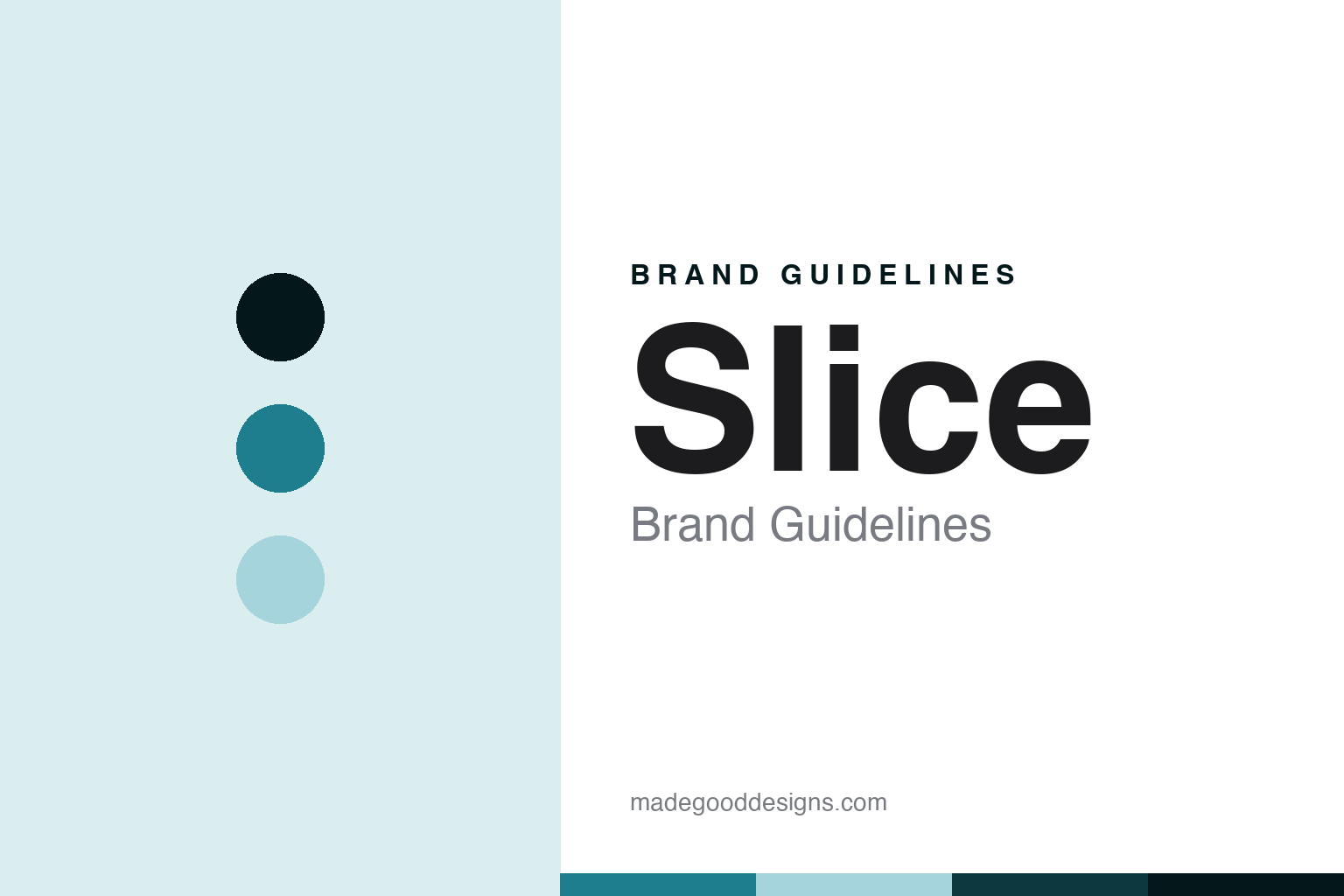
Knipex lives in a forge teal. Click a swatch to copy the hex.
Knipex’s identity is engineered, hard and independent — a forge teal, an ink, a pale aqua, a deep teal, and a paper. The palette leans forge teal and pale aqua: a hardened-steel register that nods to a drop-forge rather than a loud logo colour, and deliberately not to the brand’s red grips. It signals a German family pliers house — precise, tough and made. The honest caveat: with no published brand hex, these values are an original, unofficial interpretation, not first-party colours.
The lesson is a forge teal signals an engineered, made-here identity. Knipex’s world is forged, hardened jaws and high-leverage pliers. For designers, it is a reminder that a cool forge teal and a soft pale aqua can carry a tool brand — a steel tone held as colour, not as a plier or a grip colour. Because these tones can fail as small text, keep type dark and let the colour live in the accents, palette and band. The takeaways: credit the Putsch family; date it to 1882; name the made-in-Germany forge; and treat any single hex as unofficial.
Typography
The register is an industrial sans — engineered, precise, tough.
Knipex’s identity carries an engineered, precise, tough spirit — a forged object, not a fashion label. An industrial sans captures the mood: mechanical, exact and confident, the register of a hardened pair of pliers. Set in a forge-teal palette, the industrial sans feels engineered and hard — exactly the personality Knipex carries. It behaves like a forged, made thing rather than a logo, mirroring hardened steel. (Knipex’s real pliers, the red grips and the product names are things we describe but do not reproduce, and the exact typeface is not ours to use.) Because it is not ours to use, the honest description is “an industrial-sans brand,” shown here in a stand-in. The type behaves like the brand: engineered, precise and tough.
Aa
An industrial-sans brand — engineered and tough. (Specimen set in Archivo, an industrial-sans STAND-IN; NOT the Knipex logo or any plier.)
The precision tool
Knipex stands for the German family pliers house.
Knipex opens the precision-tool round as its stayed-independent anchor. A forge-teal palette, an industrial sans and an 1882 founding make one thing — the German family pliers house — the whole identity: engineered, hard and independent. The four generations of family ownership are the pitch, and the made-in-Germany forge is the proof. The point is a maker that stayed a family firm, in the same town, opening a round about who owns tools and where they are made.
Put to work, the identity is the brand told straight, ownership credited and where-made measured. A maker in this spirit would credit the Putsch family, date it to 1882, and name the Cronenberg forge. A reader in this spirit would keep the facts right: Knipex sells pliers and cutters as its heroes, led by the Cobra; it is independent and family-owned, now in the fourth generation; it makes its pliers and cutters at the founding site in Wuppertal-Cronenberg; and the Knipex name was registered only in 1942, sixty years after the company began. Knipex opens the round, before Wera. The honest editorial moves are to credit the family, to keep the made-in-Germany claim to pliers and cutters, to note the late-registered name, and to keep any single hex unofficial.
For designers and brand-builders, Knipex opens the precision tool: let staying independent and staying put be the identity. The lessons: build a brand on unbroken family ownership; keep a made-here claim to the lines you actually forge; credit the founding family; describe a signature tool rather than depict it; and never reproduce a mark or a grip colour. It is also a reminder to stay precise: Knipex is the fourth-generation family-owned German pliers maker, founded in 1882 in Wuppertal, whose pliers and cutters are still made at the founding site in Cronenberg — with the palette here an unofficial interpretation. Read that way, Knipex is less a plier than a forge that never left home: engineered, tough, independent. The lesson for a brand is that ownership and provenance reinforce each other, and staying put keeps the story earned. Knipex made the-German-family-pliers-house the identity — proof that independence can open a round.
Explore & save
Keep Knipex’s identity on hand — save it to a board in the Made Good inspiration library.
Knipex identity set
Pin the forge-teal palette and the industrial-sans register to your own board.