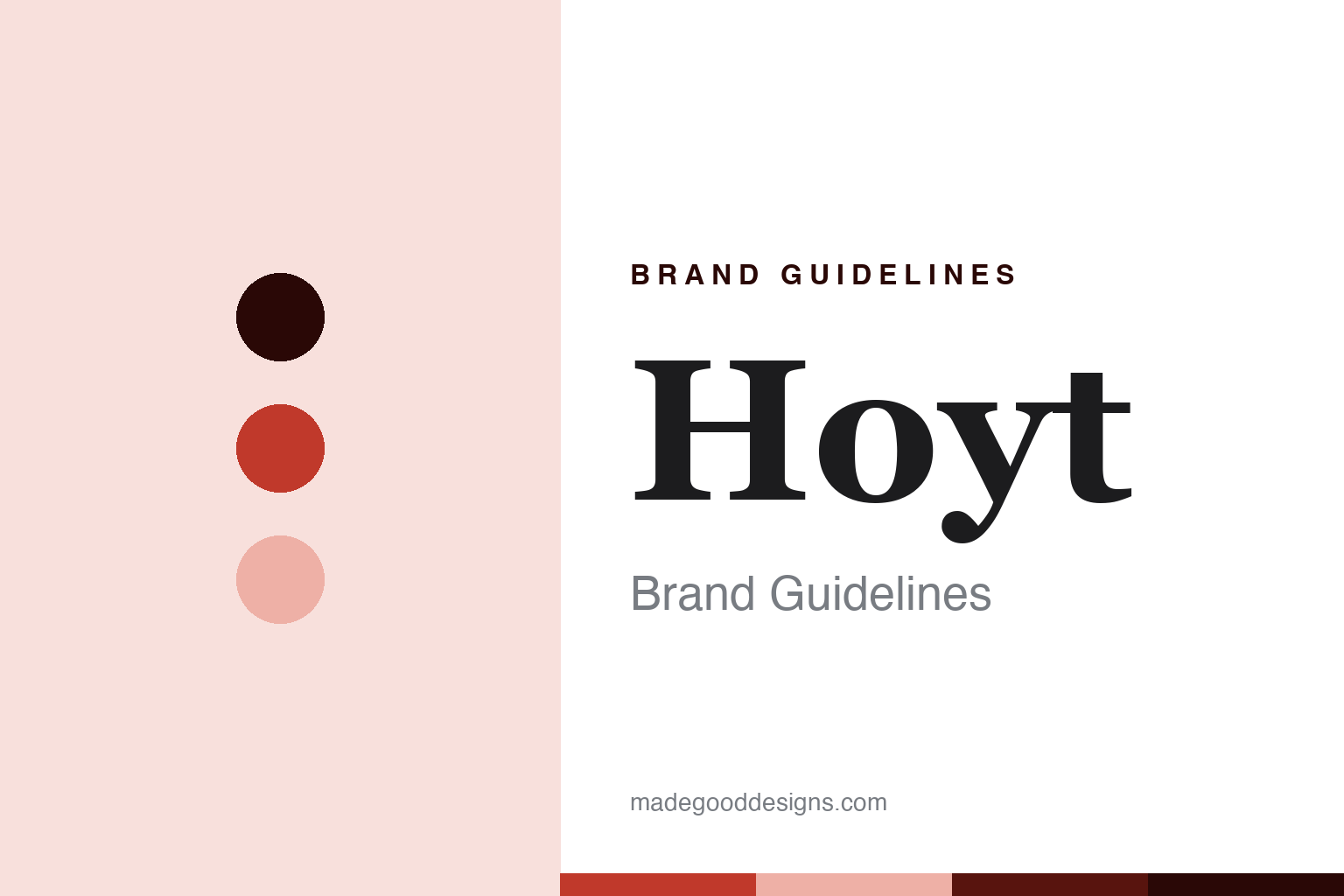
Hoyt Brand Guidelines
The Olympic-recurve leader in the Easton family.
Aa
Two constants: a Hoyt-red palette and a leader-serif register. Abstract homage — not a Hoyt product or mark; no bow, riser or logo is reproduced.
The Olympic-recurve leader in the Easton family
Hoyt is the 1931 St. Louis bowmaker, now a Salt Lake City division of the Easton-family-owned Jas. D. Easton, Inc. (sibling to Easton arrows) — and the dominant name in Olympic target recurve.
Hoyt opens the archery round as its leader node — the century-old American bowmaker that leads Olympic target recurve, and, in corporate terms, a division of the Easton family’s sporting-goods company. Its answer to a round about who owns the archery world is the leader one: the target leader inside a family group.
Its identity is the Olympic-recurve leader in the Easton family. The 1931 founding, the Olympic-recurve record and the Easton ownership are the story here. The one on the podium. The Olympic-recurve leader in the Easton family.
(Honest notes, so the founding, the ownership, the making and a distinction are framed accurately, in neutral sporting terms. Hoyt makes target and hunting bows as its heroes — Olympic recurve and compound lines; we report its language as the brand’s own. On founding: Hoyt was founded in 1931 by Earl Hoyt Sr. in St. Louis, Missouri, making cedar arrows and wooden bows. On ownership: it is a division of Jas. D. Easton, Inc., the Easton-family-owned company that acquired Hoyt in 1983 and also owns Easton’s arrow business, so Hoyt and Easton arrows are sister companies under one family umbrella, not the same brand. On the making: USA, in Salt Lake City, Utah. On a claim: Hoyt says it has won more Olympic medals than all other brands combined since 1972, which we attribute as a company claim. Its designs and the Hoyt name are IP we describe but do not reproduce; there is no official brand hex; these tones are an unofficial interpretation.)
Colour
Hoyt lives in a Hoyt red. Click a swatch to copy the hex.
Hoyt’s identity is leader, Easton-owned and precise — a Hoyt red, an ink, a pale red, a deep crimson, and a paper. The palette leans Hoyt red and deep crimson: a bold, performance register that nods to a target leader rather than a loud logo colour. It signals the Olympic-recurve leader in the Easton family — leader, Easton-owned and precise. The honest caveat: with no official brand hex, these values are a performance, unofficial interpretation, not first-party colours.
The lesson is a Hoyt red signals a leader, precision identity. Hoyt’s world is the target line and the shooting range. For designers, it is a reminder that a bold red and a pale red can carry a leader, precision brand — a performance tone held as an accent, not a product shot. Because a strong hue can fail as small text, keep type dark and let the colour live in the accents, palette and band. The takeaways: date the founding to 1931 and St. Louis; name the Easton-family ownership and the 1983 acquisition; separate Hoyt bows from Easton arrows; and attribute the Olympic-medal claim.
Typography
The register is a leader serif — leader, Easton-owned, precise.
Hoyt’s identity carries a leader, precision spirit — the target leader of its sport. A leader serif captures the mood: solid, established and exact, the register of a precision leader. Set in a Hoyt-red palette, the leader serif feels authoritative and dependable — exactly the personality Hoyt carries. It behaves like a made, engineered thing rather than a loud logo, mirroring a riser-line and a cam-ring. (Hoyt’s real products and the name are things we describe but do not reproduce, and the exact typeface is not ours to use.) Because it is not ours to use, the honest description is “a leader-serif brand,” shown here in a stand-in. The type behaves like the brand: leader, Easton-owned and precise.
Aa
A leader-serif brand — authoritative and dependable. (Specimen set in Fraunces, a leader-serif STAND-IN; NOT the Hoyt logo or products.)
The archery node
Hoyt stands for the Olympic-recurve leader in the Easton family.
Hoyt opens the round as its leader node. A Hoyt-red palette, a leader serif and a 1931 founding make one thing — the Olympic-recurve leader in the Easton family — the whole identity: leader, Easton-owned and precise. The 1931 founding is the pitch, the Olympic-recurve record is the substance, and the Easton ownership is the frame. The point is the target leader inside a family group, anchoring the round about who owns the archery world.
Put to work, the identity is the brand told straight, the ownership named and the sister brands separated. A brand in this spirit would date the founding to 1931 and St. Louis, name the Easton-family ownership and the 1983 acquisition, separate Hoyt bows from Easton arrows, and attribute the Olympic-medal claim. A reader in this spirit would keep the facts right: Hoyt makes target and hunting bows; it was founded in 1931 by Earl Hoyt Sr.; it is a division of Jas. D. Easton, Inc.; and it leads Olympic target recurve. Hoyt opens the round, before Mathews. The honest editorial moves are to date the founding, to name the owner, to separate the sisters, and to attribute the claim.
For designers and brand-builders, Hoyt opens the archery node: anchor a round with a leader — and separate the sister brand. The lessons: a brand can lead its sport, here Hoyt in Olympic recurve; a founding is dated to 1931 in St. Louis, Missouri, by Earl Hoyt Sr., making cedar arrows and wooden bows; an ownership is named, that Hoyt is a division of the Easton-family-owned Jas. D. Easton, Inc., which acquired it in 1983 and also owns Easton’s arrow business; sisters are separated, that Hoyt makes bows and Easton makes arrows, distinct lines under one family umbrella, not the same brand; a making is kept USA in Salt Lake City, Utah; and a claim is attributed, that Hoyt says it has won more Olympic medals than all other brands combined since 1972. It is also a reminder to stay precise: Hoyt is the Easton-family-owned, Olympic-recurve leader of archery — with the palette here an unofficial interpretation, and not to be confused with the former Easton-Bell Sports. The hook is that standing: Hoyt is the Olympic-recurve leader in the Easton family, the 1931 St. Louis bowmaker, now a Salt Lake City division of the Easton-family-owned Jas. D. Easton, Inc., sibling to Easton arrows, and the dominant name in Olympic target recurve. Read that way, Hoyt is less a single bow than the Olympic-recurve leader in the Easton family: leader, Easton-owned, precise. The lesson for a brand is that anchoring a round with a leader and separating the sister brand reinforce the honesty, and dating the founding keeps it earned. Hoyt made the-Olympic-recurve-leader the identity — proof that the leader can open a round.
Explore & save
Keep Hoyt’s identity on hand — save it to a board in the Made Good inspiration library.
Hoyt identity set
Pin the Hoyt-red palette and the leader-serif register to your own board.