Marburg Brand Guidelines
The architect’s line.
Aa
Two constants: an architect-violet palette and a geometric sans register. Abstract homage — not a Marburg design or wordmark.
The architect’s line
Marburg machine-prints wallpaper in Germany, its designs drawn from architects and designers.
Marburg is a lesson in the designer as the source. One of Germany’s oldest wallpaper makers, it machine-prints at scale — but its designs are drawn from architects and designers, most famously an architect’s fluid, futuristic line. A wallpaper, drawn by a designer and pressed in Germany.
Its identity is the architect’s line. Marburg’s German-made machine wallpaper, and its architect-and-designer collaborations, are the work it is known for. A collaborator, made a signature. A maker that puts an architect on the wall.
(Honest notes, so the story stays precise. Marburg — the Marburger Tapetenfabrik J. B. Schaefer — was founded in 1845 in Marburg, Hesse, and has produced in nearby Kirchhain since the 1950s; we say “founded in Marburg, produces in Kirchhain,” not “founded in Kirchhain.” It is family-run into a fifth generation and is genuinely made in Germany, where it states that all its wallpapers are produced solely in Kirchhain. One accuracy note worth crediting: the well-known “Art Borders” wallpaper collection by the architect Zaha Hadid was for Marburg — not for Rasch, with which it is often confused — and Marburg has a later Hadid “Hommage” line. Its collaborations are its IP, described but never reproduced, and there is no official brand hex — these tones are an unofficial interpretation. This is design commentary and does not promote any product.)
Colour
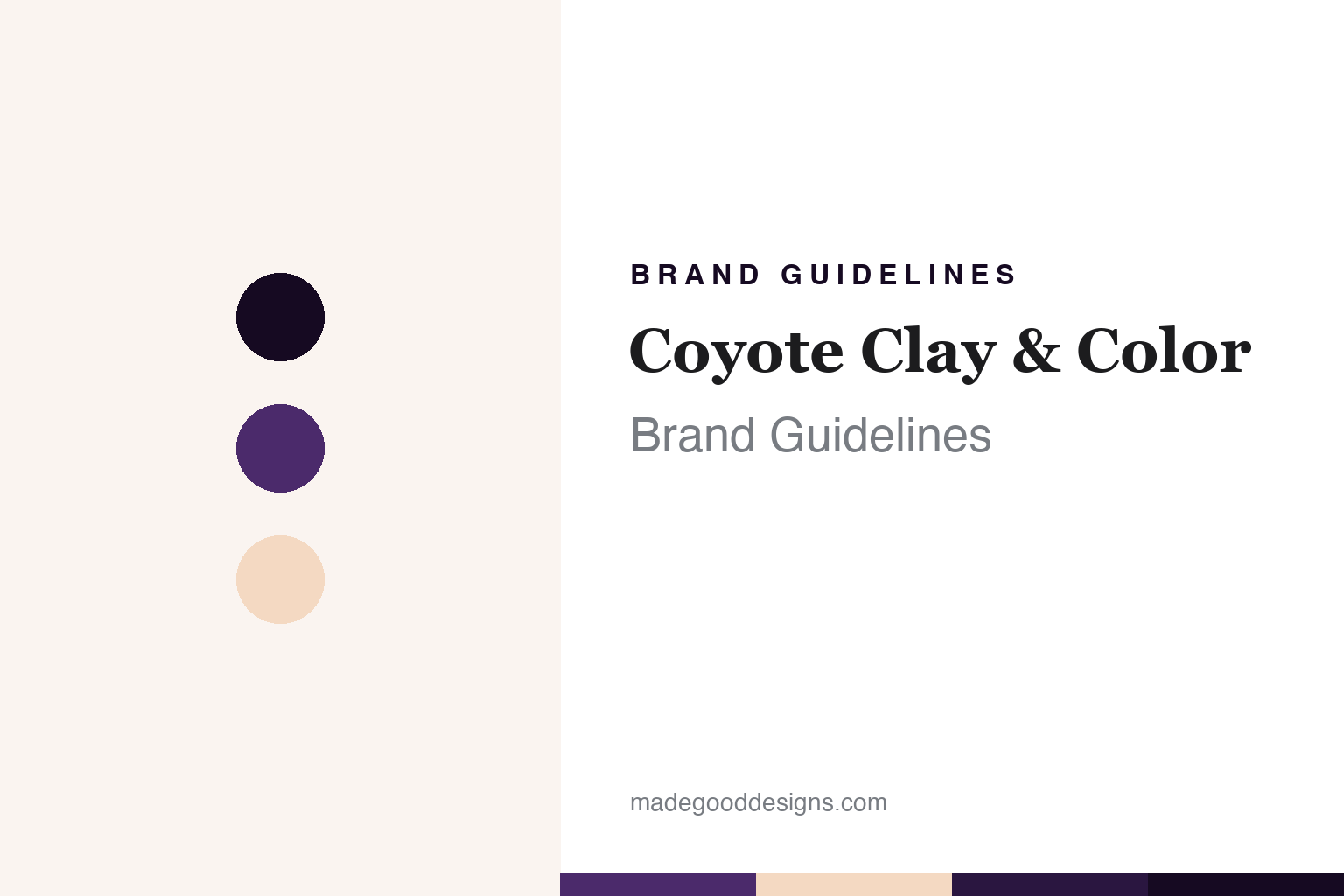
Marburg lives in an architect-violet palette. Click a swatch to copy the hex.
Marburg’s identity is bold, architectural and German — an architect violet, an ink, a silver, a slate, and a chalk. The palette leans architect violet and silver: the register of a futuristic, design-forward maker. It signals design and ambition over decoration alone. The honest caveat: with no published brand hex, these values are an original, unofficial interpretation, not first-party colours.
The lesson is an architect-violet palette signals a bold, design-led identity. Marburg’s world is a machine-printed, made-in-Germany, designer object. For designers, it is a reminder that a deep violet and a cool silver can carry a brand built on collaboration — the violet of a futuristic line and the silver of a machine surface. Because these tones can fail as small text, keep type dark and let the colour live in the accents, palette and band. The takeaways: draw from designers; print at scale; keep it in Germany; and treat any single hex as unofficial.
Typography
The register is a geometric sans — clean, modern, architectural.
Marburg’s identity carries a clean, modern, architectural spirit — a design object, not a plain one. A geometric sans captures the mood: even, structured and confident, the register of an architect-led machine wallpaper. Set in an architect-violet palette, the geometric sans feels clean and modern — exactly the personality Marburg carries. It is architectural rather than decorative, mirroring a futuristic line printed at scale. (Marburg’s real designs and wordmark are things we describe but do not reproduce, and the exact typeface is not ours to use.) Because it is not ours to use, the honest description is “a geometric-sans spirit,” shown here in a stand-in. The type behaves like the maker: clean, modern and architectural.
Aa
A geometric-sans spirit — clean and architectural. (Specimen set in Jost, a geometric-sans STAND-IN; NOT the Marburg wordmark or any wallpaper design.)
The designer as source
Marburg stands for the architect’s line.
Marburg is a lesson in making the designer the source. An architect-violet palette, a geometric sans and machine-printed papers make a collaborator the whole maker — bold, architectural and German. The collaborator is the differentiator. The differentiator is a genuine record — one of Germany’s oldest wallpaper makers drawing its most famous designs from architects and designers, and printing them at scale at home.
Put to work, the identity is the designer as design. A maker building in this spirit would use its scale to carry ambitious design to many walls, commission architects and designers, and keep the making at home, so the customer buys into an authored design that is also accessible. It would treat the collaboration as heritage, so that the archive carries names. It would be honest about where it was founded and where it makes, and careful with attributions. The lesson Marburg teaches is that the designer can be the source of a brand: the collaborations give it credibility, and the German making gives it substance. The collaborator is the personality, and the making is the proof.
For designers and brand-builders, Marburg offers a clear takeaway: draw designs from real designers and print them well. The lessons: commission architects; print at scale; keep it in Germany; and be accurate about the record. It is also a reminder to stay precise: Marburg is a German wallpaper maker founded in 1845 in Marburg and producing in Kirchhain, family-run into a fifth generation, whose “Art Borders” collection was designed by Zaha Hadid — with the palette here an unofficial interpretation. Marburg made the architect’s line the maker — proof that the designer can be the difference.
Explore & save
Keep Marburg’s identity on hand — save it to a board in the Made Good inspiration library.
Marburg identity set
Pin the architect-violet palette and the geometric-sans register to your own board.