100 Montaditos Brand Guidelines
The Huelva beach bar that became a franchise of a hundred small rolls.
Aa
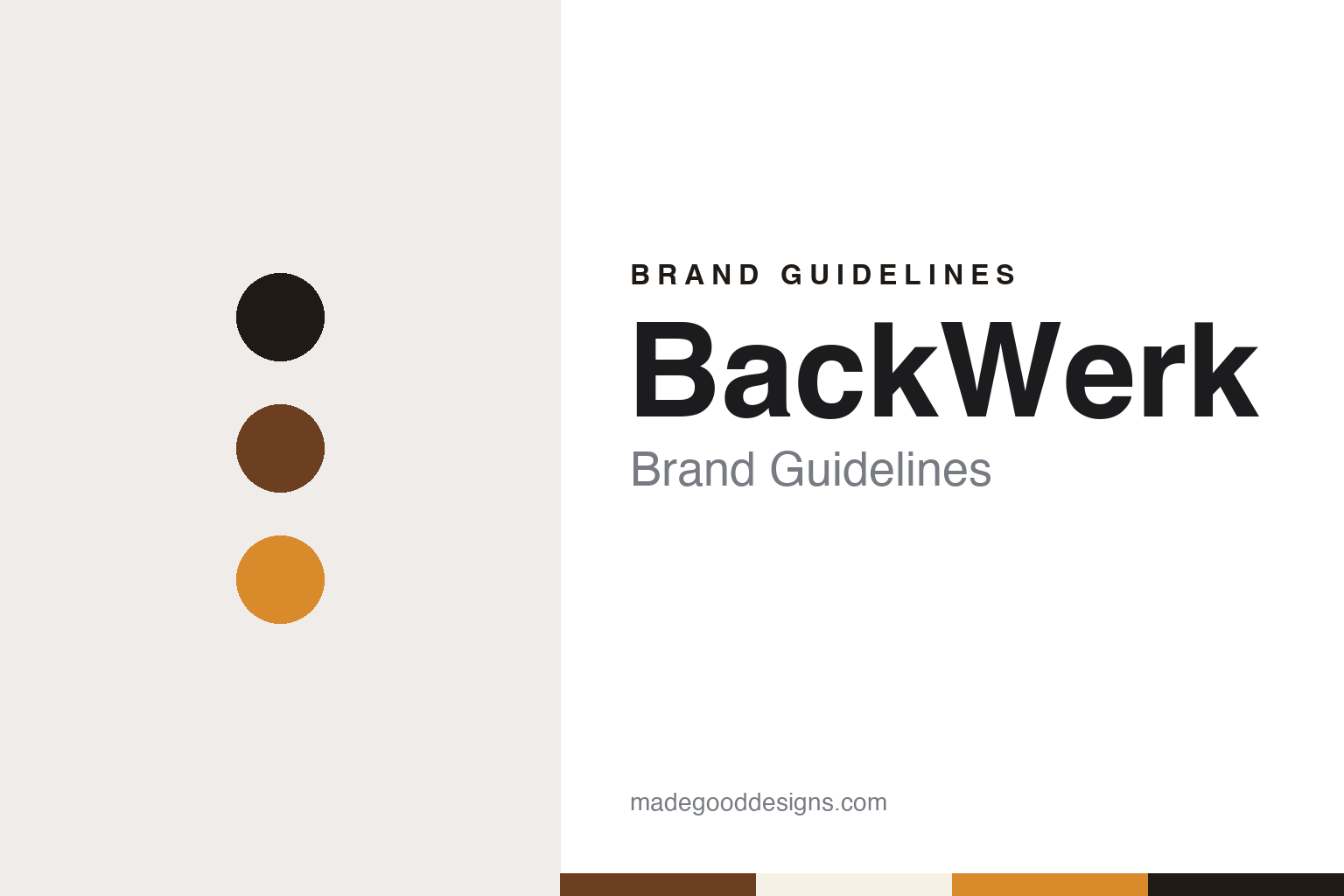
Two constants: a tavern brown, cream and brick red palette and a tavern serif register. Abstract homage — not a 100 Montaditos product or mark; no menu, logo or sign is reproduced.
Islantilla
A beach bar in Huelva and a franchise company.
100 Montaditos began on the coast of Huelva, in south-western Spain. The company’s own history page dates its opening restaurant to 2000, on a small beach at Islantilla, and English Wikipedia and Nation’s Restaurant News (2015) also give 2000; El País, in reports from 2012 and 2013, put the opening in 2001 and described the site as a shopping centre in Huelva. The founder was the Seville businessman José María Fernández Capitán, whom Cinco Días described in January 2021 as the group’s founder, owner and executive chairman.
The name describes the product. A montadito is a small piece of bread “mounted” with a filling, a familiar format in Spanish bars, and the chain built its menu around a list of a hundred of them, served alongside drinks, salads and sharing plates. Spanish Wikipedia says the chain opened its first Madrid restaurant in 2003.
The company did not stay a restaurant operator for long. According to El País in December 2013, Fernández Capitán soon sold his own restaurants and in 2004 created Restalia, which the paper called one of Spain’s few pure franchisors of restaurant brands: it designs the concepts and supports franchisees rather than running the outlets itself. The same report counted three restaurants in 2001, 112 in 2007 and 400 in 2013, 25 of them outside Spain, with 296 trading as 100 Montaditos.
Restalia added sister brands over the following years: the Cervecería La Sureña beer halls from 2010, and The Good Burger, which El País reported had opened in November 2013 at the La Vaguada shopping centre in Madrid. In January 2021 Cinco Días reported that the group had reorganised as Restalia Holding, with four divisions covering franchise brands, delivery, retail and consulting for would-be franchisors.
Colour
A tavern look that travels.
The service format is simple, and it sits at the centre of the brand. Customers write their order on a slip, hand it in at the counter and wait to hear their name called over the loudspeaker; Spanish Wikipedia describes the system, and the company’s own history page presents the call over the public-address system as part of the experience. The company says its bread is made to a patented recipe and baked when the customer orders.
The look borrows from an older Spain. El País wrote in 2012 that the décor was inspired by traditional twentieth-century taverns, and that the name, the decoration and the way the food is presented stayed the same in other countries, where they had become the brand’s marks of identity. Spanish Wikipedia adds that, although the chain started in Huelva, it chose old photographs of Cádiz to decorate its restaurants, an image of Lower Andalusia used in its outlets around the world.
The menu adapts at the edges. The same 2012 El País report described local additions such as a cochinita pibil montadito in Mexico and a hot dog in the United States, and said the bread and the beer came from the same factories in Spain for every restaurant. Promotions became part of the brand’s vocabulary too. In 2013 the group’s general manager told El País that a midweek offer called Euromanía had been introduced after sales dipped in 2008; the 2012 report said it ran as Dolarmanía in the United States and Pesomanía in Mexico.
The menu was redrawn in 2024. El Español reported in June 2024 that Restalia had added a range called “montys”, among them montypizzas built on the montadito bread, egg-topped montyhuevos and updated montyburgers and montyperros, together with new bread formats, and that the work came from an innovation team of about 50 chefs, engineers and designers. The paper said the new menu was already in use in Portugal and Italy.
Typography
Design and documentation.
Europe’s restaurant chains grew up close to home and then went abroad. The pasta, grill, buffet, pizza, tapas and burger brands in this round come from Germany, France, Spain, Finland and Sweden, and most of them present themselves first through the room: the shopfront, the sign over the door, the counter and the way a guest orders. Vapiano built its look from a long service counter, wooden tables, basket lamps and pots of herbs, and Wienerwald was known for decades for rustic dining rooms built around roast chicken.
Menus are the second layer of identity. The companies name their signature dishes on their own websites, from fresh pasta shapes to grilled chicken, pizza, small sandwiches and burgers, and they change them when they relaunch: Vapiano’s German restaurants swapped pizza for pinsa in 2021, and the new Wienerwald added bowls and vegetarian dishes after its return.
Most of these brands grow through franchising, and their corporate pages explain founders, owners and franchise networks in their own words. Restaurant and country counts change quickly, so this guide gives each one with the date and source it comes from, and separates what independent press reports from what a company says about itself.
Ownership changes are part of the story. Several chains in this group have been sold between families, investors and larger restaurant groups, and some have gone through insolvency: Wienerwald in 1982 and again in the 2000s, Vapiano in 2020. Each guide sets out those events plainly, with dates and outcomes, and says what trades under the name today.
Aa
A tavern serif — warm, plain and easy to read on a menu board. (Specimen set in Bitter, a serif STAND-IN; NOT the 100 Montaditos logo.)
100 Montaditos
Abroad, and in the trade-mark register.
International growth started in Florida. El País dated the opening abroad to Miami, early in 2011 in a 2012 report and 2010 in a 2013 report; Orlando, Mexico City, Bogotá and Porto followed. The American business ran into difficulty. In March 2015 Nation’s Restaurant News reported that 100 M Holding Inc., the parent of the chain’s operations in the United States, had filed for Chapter 11 reorganisation in a Florida bankruptcy court. The magazine counted 17 American units at the time and said the filing did not affect the more than 300 locations in Spain and other countries.
The chain stayed in the United States. Cinco Días reported in January 2021 that the group had reopened its Midtown Miami restaurant at the end of 2020, and that Restalia was present in 13 countries, with new openings that year in Mexico City, Porto, Lisbon, Bordeaux and Rome. English Wikipedia notes that in Italy the brand trades without the word “Cervecería”. The company’s Spanish website, read in November 2026, describes more than 450 restaurant units in 13 countries; that count is the company’s own. The site names Euromontadito as the operating company and carries a Grupo Restalia copyright.
The name itself has been tested. In November 2026 El Confidencial reported that the European Union Intellectual Property Office had partly upheld Restalia’s opposition to an application to register “100 Burgers”, filed in March 2025 by a Turkish restaurant company, refusing that mark for restaurant and hospitality services. The office found, the paper said, that the two signs shared the element “100” and that 100 Montaditos had acquired a high degree of distinctiveness in Spain, while not accepting that the brand’s reputation had been proven.
For a design guide, 100 Montaditos shows how a number, an order slip and a set of old photographs can carry a franchise across borders. Compare Telepizza, another Spanish restaurant chain, and Goiko, a Madrid burger brand. For this guide we use tavern brown, cream and a brick red with a serif, an unofficial interpretation; no product or logo is reproduced.
Explore & save
Keep 100 Montaditos’s identity on hand — save it to a board in the Made Good inspiration library.
100 Montaditos identity set
Pin the 100 Montaditos tavern brown, cream and brick red palette and the tavern serif register to your own board.
Source & notes
Frequently Asked Questions
What font can I use to match the 100 Montaditos look?
This guide describes 100 Montaditos’ type as “A tavern serif — warm, plain and easy to read on a menu board”. Its type specimen is set in Bitter from Google Fonts as a stand-in; Bitter is not 100 Montaditos’ own lettering.
What colours are in the 100 Montaditos palette?
This guide’s 100 Montaditos palette is Tavern brown #5C3B24, Brick red #8E2A22, Order-slip cream #F2E9DA, Olive #6A6B3C and Smoked ink #231C17. The tones are the guide’s own unofficial interpretation, not official 100 Montaditos hex codes.
When was 100 Montaditos founded?
100 Montaditos was founded in 2000 (company); 2001 in El País, in Islantilla, Huelva, Spain.
Who founded 100 Montaditos?
100 Montaditos was founded by José María Fernández Capitán in 2000 (company); 2001 in El País.