Bresser Brand Guidelines
The German consumer-optics house.
Aa
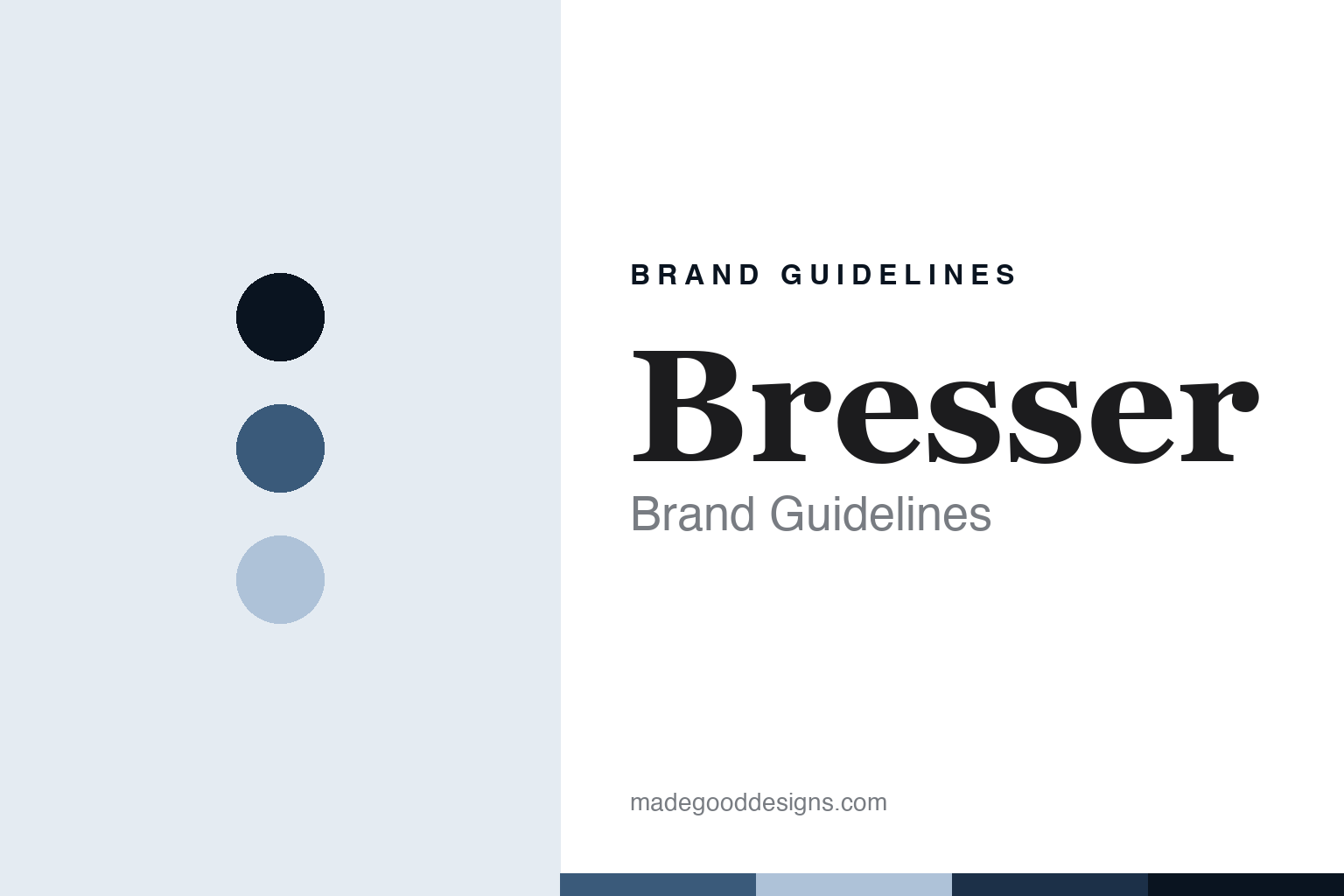
Two constants: an instrument-blue palette and a heritage-serif register. Abstract homage — not a Bresser product or mark; no telescope, microscope or logo is reproduced.
The German consumer-optics house
Bresser is the 1957 German optics house of telescopes, microscopes, binoculars and weather stations, whose founding family bought it back in 2009.
Bresser opens the observatory round as its broad-catalogue consumer node — the familiar German name that sells not one instrument but a whole shelf of them, from a first telescope to a microscope, a pair of binoculars or a garden weather station. It was founded in 1957 by Josef Bresser, one of the first German importers of quality Japanese binoculars, so it began as an import-and-distribution house rather than a lens grinder. Bresser sells the optics, and its answer to a round about where telescopes are made and who owns them is a candid one: a German brand, largely made in China, owned today by its founding family together with its Chinese manufacturer.
Its identity is the German consumer-optics house. The broad multi-category catalogue, the family ownership and the German-brand, China-made reality are the story here. A house, consumer. The German consumer-optics house.
(Honest notes, so the manufacture and the ownership are framed accurately. Bresser sells a wide catalogue as its heroes — its Messier telescope line, its well-regarded microscopes, its binoculars, and its widely sold consumer weather stations — and we report its performance language as the brand’s own. On where it is made, a point that matters: Bresser began as an importer and never ground its own glass, so it is a German brand whose product development and quality assurance sit in Rhede, Germany, while manufacturing is carried out largely in China by JOC — its manufacturing partner — so “made in Germany” would be wrong, and we frame it as German-engineered and curated, China-made. On ownership: in 1999 the founder’s son Rolf Bresser sold the firm to the American company Meade; a decade later, in 2009, he bought the German operation back together with its long-serving manager and JOC, and the three parties own it today, with the exact split not publicly disclosed. Bresser also distributes the separate Lunt solar brand. Its designs, the model names and the logo are IP we describe but do not reproduce; there is no signature trademarked livery on the scale of a rival’s, and there is no official brand hex; these tones are an unofficial interpretation.)
Colour
Bresser lives in an instrument blue. Click a swatch to copy the hex.
Bresser’s identity is broad, practical and German — an instrument blue, an ink, a pale steel, a deep slate, and a paper. The palette leans instrument blue and pale steel: a cool, dependable register that nods to a catalogue of everyday optical instruments rather than a loud logo colour. It signals a German consumer-optics house — familiar, wide-ranging and made at scale. The honest caveat: with no published brand hex, these values are an original, unofficial interpretation, not first-party colours.
The lesson is an instrument blue signals a broad, practical identity. Bresser’s world runs from a telescope to a microscope to a weather station on the kitchen wall. For designers, it is a reminder that a cool instrument blue and a soft pale steel can carry a maker brand — a dependable tone held as colour, not a product shot. Because these tones can fail as small text, keep type dark and let the colour live in the accents, palette and band. The takeaways: date it to 1957; credit Josef Bresser; frame the German-brand, China-made reality; name the family buy-back; and treat any single hex as unofficial.
Typography
The register is a heritage serif — established, broad, dependable.
Bresser’s identity carries an established, broad, dependable spirit — a long-running consumer-optics house, not a boutique. A heritage serif captures the mood: classic, steady and confident, the register of a brand that has been on German shelves since 1957. Set in an instrument-blue palette, the heritage serif feels established and dependable — exactly the personality Bresser carries. It behaves like a catalogue name rather than a loud logo, mirroring coated glass and moulded housings. (Bresser’s real telescopes, microscopes and the logo are things we describe but do not reproduce, and the exact typeface is not ours to use.) Because it is not ours to use, the honest description is “a heritage-serif brand,” shown here in a stand-in. The type behaves like the brand: established, broad and dependable.
Aa
A heritage-serif brand — established and broad. (Specimen set in Playfair Display, a heritage-serif STAND-IN; NOT the Bresser logo or any instrument.)
The observatory
Bresser stands for the German consumer-optics house.
Bresser opens the observatory round as its broad-catalogue consumer node. An instrument-blue palette, a heritage serif and a 1957 founding make one thing — the German consumer-optics house — the whole identity: broad, practical and German. The multi-category catalogue is the pitch, and the family buy-back is the twist. The point is the familiar name that sells a whole shelf of instruments, in a round about where telescopes are made and who owns them.
Put to work, the identity is the brand told straight, manufacture framed and ownership named. A maker in this spirit would date it to 1957, credit Josef Bresser, and frame the German-brand, China-made reality. A reader in this spirit would keep the facts right: Bresser sells a broad catalogue as its heroes, led by its Messier telescopes, its microscopes, its binoculars and its weather stations; it was founded in 1957 by Josef Bresser as an importer; it is a German brand whose products are made largely in China by JOC; and it is owned by the founding family together with its manager and JOC after a 2009 buy-back. Bresser opens the round, before iOptron. The honest editorial moves are to date it to 1957, to frame the manufacture honestly, to anchor on the family buy-back, and to keep the Lunt brand it distributes distinct.
For designers and brand-builders, Bresser opens the observatory: frame a broad consumer catalogue honestly — and tell a family buy-back plainly. The lessons: position a wide, multi-category brand without losing a clear identity; distinguish a German brand from where it is manufactured; name an unusual ownership story straight; keep a distributed brand separate from an owned one; and never reproduce a logo. It is also a reminder to stay precise: Bresser is the 1957 German optics house of telescopes, microscopes, binoculars and weather stations, whose founding family bought it back in 2009 — with the palette here an unofficial interpretation. The hook is that buy-back: in 1999 Rolf Bresser sold the family firm to the American company Meade, and a decade later he teamed up with his own manager and with JOC, the Chinese factory that made the products, to buy the German operation back and resurrect the Bresser name — a rare story of a founding family reacquiring its brand arm-in-arm with its own supplier. Read that way, Bresser is less a single telescope than a resurrected family name: established, broad, dependable. The lesson for a brand is that breadth and honest ownership can coexist, and naming the buy-back keeps the story earned. Bresser made the-German-consumer-optics-house the identity — proof that a broad catalogue can open a round.
Explore & save
Keep Bresser’s identity on hand — save it to a board in the Made Good inspiration library.
Bresser identity set
Pin the instrument-blue palette and the heritage-serif register to your own board.