Dexter-Russell Brand Guidelines
America’s oldest cutlery.
Aa
Two constants: a steel-navy palette and an American-slab register. Abstract homage — not a Dexter-Russell blade, mark or wordmark.
America’s oldest cutlery
Dexter-Russell is America’s oldest cutlery maker, whose professional knives are made in Southbridge, Massachusetts.
Dexter-Russell is a lesson in owning the working kitchen as the identity. Tracing its roots to 1818, it is America’s oldest cutlery maker, and it has survived two centuries by being the workhorse of the professional kitchen — the plain, tough, made-in-Massachusetts knife on the line in diners, delis and restaurants across the country. Its answer to how an old house keeps going is a practical one: serve the trade, make a reliable knife at home, and never chase fashion. A knife that has fed America for two hundred years.
Its identity is the old house that owns the pro kitchen. Dexter-Russell’s longevity, its Southbridge making and its foodservice workhorses are the work it is known for. A trade, made a signature. A maker that quietly equips the working cook.
(Honest notes, so the story stays precise. Dexter-Russell traces to 1818, when Henry Harrington began an American cutlery workshop in Southbridge, Massachusetts; the separate John Russell Cutlery — the Green River Works — dates to 1834, and the two lineages came together, becoming Dexter-Russell in 1933, so the 1818 date belongs to the Harrington side, not to Russell. It is genuinely made in Southbridge, Massachusetts — its own site says the majority of its knives are made in the USA — so we say its professional and kitchen knives are made in Southbridge rather than claiming every item is domestic. Its Sani-Safe line, from the 1941 Sani-Dexter, is a foodservice standard. On ownership, we do not claim it is family-run — that is unconfirmed — and describe it as a privately held, independent American manufacturer. Its designs and marks are its IP, described but never reproduced, and there is no official brand hex — these tones are an unofficial interpretation. This is design commentary and does not promote any product.)
Colour
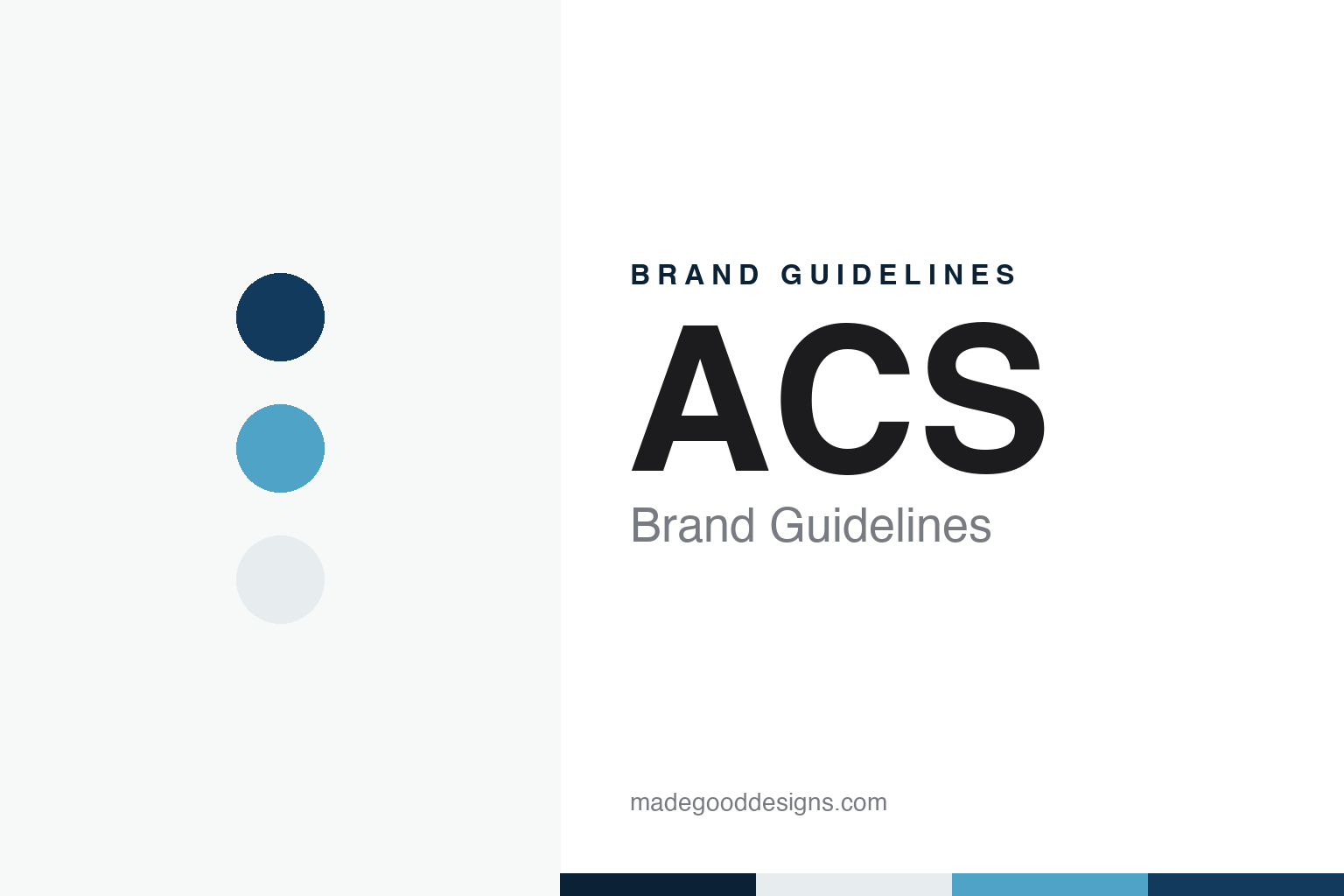
Dexter-Russell lives in a steel-navy palette. Click a swatch to copy the hex.
Dexter-Russell’s identity is plain, sturdy and American — a steel navy, an ink, a brass, a slate, and a chalk. The palette leans steel navy and brass: the register of a two-century workshop and a working blade. It signals reliability and the trade over fashion. The honest caveat: with no published brand hex, these values are an original, unofficial interpretation, not first-party colours.
The lesson is a steel-navy palette signals a plain, made-in-USA identity. Dexter-Russell’s world is a workhorse, made-in-Southbridge, professional object. For designers, it is a reminder that a deep steel navy and a brass can carry a brand built on longevity and the trade — the navy of tempered steel and the brass of an old rivet. Because these tones can fail as small text, keep type dark and let the colour live in the accents, palette and band. The takeaways: serve the trade; keep the making at home; be honest about scope and ownership; and treat any single hex as unofficial.
Typography
The register is an American slab — sturdy, plain, dependable.
Dexter-Russell’s identity carries a sturdy, plain, dependable spirit — a working tool, not a showpiece. An American slab serif captures the mood: solid, even and workmanlike, the register of a two-century manufacturer. Set in a steel-navy palette, the American slab feels sturdy and plain — exactly the personality Dexter-Russell carries. It is dependable rather than decorative, mirroring a foodservice workhorse. (Dexter-Russell’s real designs and marks are things we describe but do not reproduce, and the exact typeface is not ours to use.) Because it is not ours to use, the honest description is “an American-slab spirit,” shown here in a stand-in. The type behaves like the maker: sturdy, plain and dependable.
Aa
An American-slab spirit — sturdy and plain. (Specimen set in Bitter, an American-slab STAND-IN; NOT the Dexter-Russell wordmark or any blade design.)
The old houses
Dexter-Russell stands for owning the working kitchen.
Dexter-Russell is a lesson in making longevity and the trade the identity. A steel-navy palette, an American slab and a plain professional blade make one thing — a two-century workhorse — the whole maker: plain, sturdy and American. The endurance is the differentiator. The differentiator is survival through usefulness: an old house that kept going by making the reliable knife the working kitchen actually needs, rather than the one that photographs best.
Put to work, the identity is dependability as design. A maker building in this spirit would serve the professional first, keep the making at home, and let two centuries of continuous production be the proof rather than a slogan. It would treat a foodservice standard like Sani-Safe as its backbone. A brand learning from it would understand that the way an old house survives is by being genuinely useful decade after decade, and that a plain tool trusted by people who use it all day is worth more than novelty. It would say plainly its professional knives are made in Southbridge. A brand learning from it would notice that the surest foundation is the customer who buys the tool to work with, not to display, since a reputation earned on the line outlasts any trend. It would treat two centuries not as a marketing number but as an obligation to keep making the knife the same way it always has. The oldest name in a category earns nothing from its age unless the blade in the cook’s hand still performs today. The lesson Dexter-Russell teaches is that usefulness can build a brand that lasts: the trade gives it purpose, and the American making gives it substance. The endurance is the personality, and the workhorse blade is the proof.
For designers and brand-builders, Dexter-Russell opens this round about the old houses on the longevity pole: survive by being useful, and keep the making at home. The lessons: serve the trade; make it at home; be honest about scope and ownership; and never reproduce a protected mark. It is also a reminder to stay precise: Dexter-Russell is America’s oldest cutlery maker, tracing to 1818, its professional knives made in Southbridge, Massachusetts — a privately held American manufacturer, with the palette here an unofficial interpretation. Dexter-Russell made usefulness the maker — proof that endurance can be the difference.
Explore & save
Keep Dexter-Russell’s identity on hand — save it to a board in the Made Good inspiration library.
Dexter-Russell identity set
Pin the steel-navy palette and the American-slab register to your own board.