Bonanza Satrangi Brand Guidelines
A knitwear maker that became a two-label fashion chain.
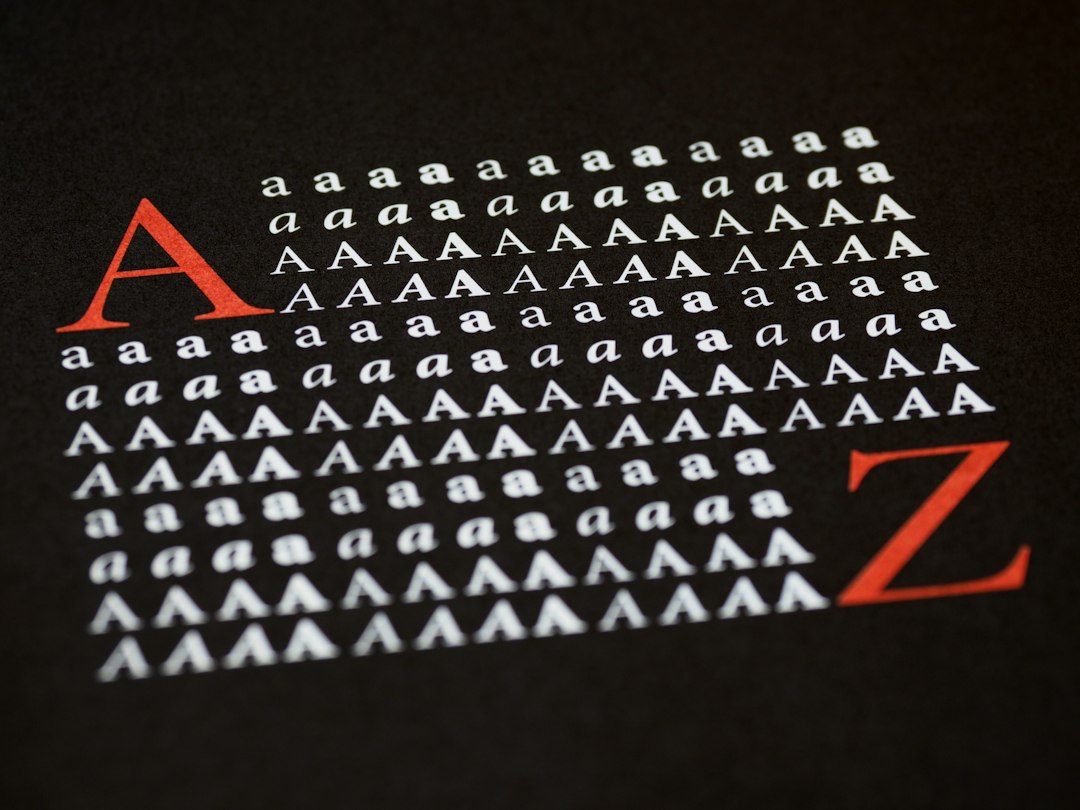
Aa
Two constants: a plum, turmeric and rose-sand palette and a soft display serif register. Abstract homage — not a Bonanza Satrangi product or mark; no garment, logo or shop sign is reproduced.
Knits and Children’s Clothes
A trading family moves into ready-made clothes.
Bonanza grew out of a family trading business in Karachi. In an interview with Aurora, the marketing magazine of the Dawn Media Group, published in October 2019, chief executive Hanif Bilwani said his grandfather’s firm, Ghani & Tayyab, opened in Karachi in 1946 as a trading business, mainly in food, with a shop in Jodia Bazaar. The family moved into textiles in 1967, making fabrics for women and holding an agency for polyester yarn.
The clothing brand came next. Bilwani told Aurora that Bonanza began in 1975, making sweaters for women and clothes for children, because an uncle saw that the future lay in ready-made garments. The company’s own website gives 1976 and describes the start as ready-made winter wear, “particularly knits for men, women and children”; the two dates are given here as each source states them. The first Bonanza shop opened in Rawalpindi, Bilwani said, while much of the stock went out through dealers; in Karachi, three dealers in Saddar sold it, and two more were added in Bahadurabad in 1998.
In 1980 Bonanza added men’s shirts, trousers and shalwar suits, Bilwani said, as more men switched to ready-made clothes. He told Aurora that he had looked after Bonanza since 1982, that he was from the family’s third generation, and that about 20 family members ran its various businesses.
Colour
Satrangi, a second name for women’s clothes.
The women’s line is the turn in the story. Bilwani told Aurora that by 2010 the family saw menswear as a limited market, watched the growth of women’s labels such as Khaadi and Gul Ahmed, and in 2013 launched Satrangi, starting with the designer Kamiar Rokni. The company’s website gives 2012 for the launch and says that is how the business came to be known as “Bonanza | Satrangi.”
The website now divides the umbrella brand in two: Bonanza for men’s formal clothing, knits and ethnic wear, and Satrangi for women’s prêt, unstitched cloth and accessories. Bilwani said in 2019 that perfumes had been added about two years earlier and cosmetics a month before the interview, both developed with outside fragrance houses. In the same year the company introduced bridal wear, with a studio in its shop on Tipu Sultan Road in Karachi.
Design moved in-house as the women’s line grew. Bilwani told Aurora that the company first hired four young women from the Textile Institute of Pakistan, and by 2019 had five design studios, each with its own head, including one in Lahore for that city’s different tastes; designs were approved by the studio team as a group.
The shops changed in step. Bilwani said in 2019 that the company had over 100 stores across Pakistan, averaging 2,000 to 3,000 square feet, in cities including Abbottabad, Faisalabad, Multan, Peshawar, Sialkot and Swat, and that the shops had been refitted two or three times in the previous five to eight years, after the product range was reworked. The company’s website today gives “80+ outlets across Pakistan”; that figure is its own.
Typography
Shop signs, look-books and colour.
Pakistani and Bangladeshi fashion and retail brands present themselves through a few recurring touchpoints: the shop sign over a mall unit, the logo on a carrier bag, the seasonal look-book and the corporate page that names a founder or a parent company. Some marks point back to craft — Khaadi, for example, says the hands in its logo symbolise its heritage in handloom craft — while others set a short name in plain capitals, as Sapphire does.
The formats vary widely. Some of the brands in this group began as a single shop and grew into mall flagships at home and abroad; others are the retail arms of textile mills, and can draw on a parent’s own spinning, weaving and printing before cloth reaches a store, as Sapphire describes. Alongside them sit supermarket chains, craft-led lifestyle stores and online marketplaces, each with its own way of showing a name on a shopfront, a shelf or a screen.
Collections are named in the companies’ own terms. Lawn, prêt and unstitched fabric appear again and again in their catalogues, and the balance between them has shifted: Profit by Pakistan Today reported in 2017, from Pakistan Bureau of Statistics data, that ready-made clothes took 13 percent of household clothing spending in 2002 and 33 percent in 2016, while unstitched cloth and accessories fell from more than 68 percent to 50 percent.
Ownership is set out plainly in each guide: family-owned, founder-owned, mill-owned or group-owned, with dates where a dated source gives them. Each guide separates what independent press and official filings record from what the company says about itself, and the palettes and type pairings shown are an unofficial interpretation rather than a reproduction of any brand’s colours or marks.
Aa
A soft display serif for a two-label family brand. (Specimen set in Fraunces, a serif STAND-IN; NOT the Bonanza Satrangi logo.)
Bonanza Satrangi
One umbrella, two names.
The combined name is the design story. Satrangi was a new women’s line the family launched itself, and the two names were then placed together over the shop door and online, with a vertical bar between them in the company’s own wording. The older name carries the menswear and knitwear; the newer name carries the women’s ready-to-wear and unstitched collections.
That split mirrors how Bilwani described the business in 2019. Product led, he told Aurora: the company hired trained designers, reworked the range, then refitted the shops, and only after that turned to marketing. For a designer, the order is a reminder that a fashion chain’s identity sits as much in the fabric prints and the shop floor as in the logo.
The spread of the stores shapes the brand as well. Bilwani said in 2019 that growth was coming from second-tier cities and that sales were about evenly split between large and smaller cities. A sign and a look-book have to read the same in a mall in Karachi and a high street in a smaller town, at a shop size of a few thousand square feet rather than a large flagship.
The product range adds its own layers. Satrangi’s collections are sold as prêt, meaning ready-to-wear, and as unstitched cloth that the buyer has tailored, so the same print may appear on a finished garment on a rail and on folded fabric on a shelf. Bonanza’s side covers formal menswear and knitwear, a link back to the sweaters with which the business began. Perfumes and cosmetics, added in the late 2010s, sit beside both in the shops, Bilwani said in 2019. A visual system for a store like this has to hold clothing for men, women and children, a counter of fragrance and a bridal studio without losing the two names.
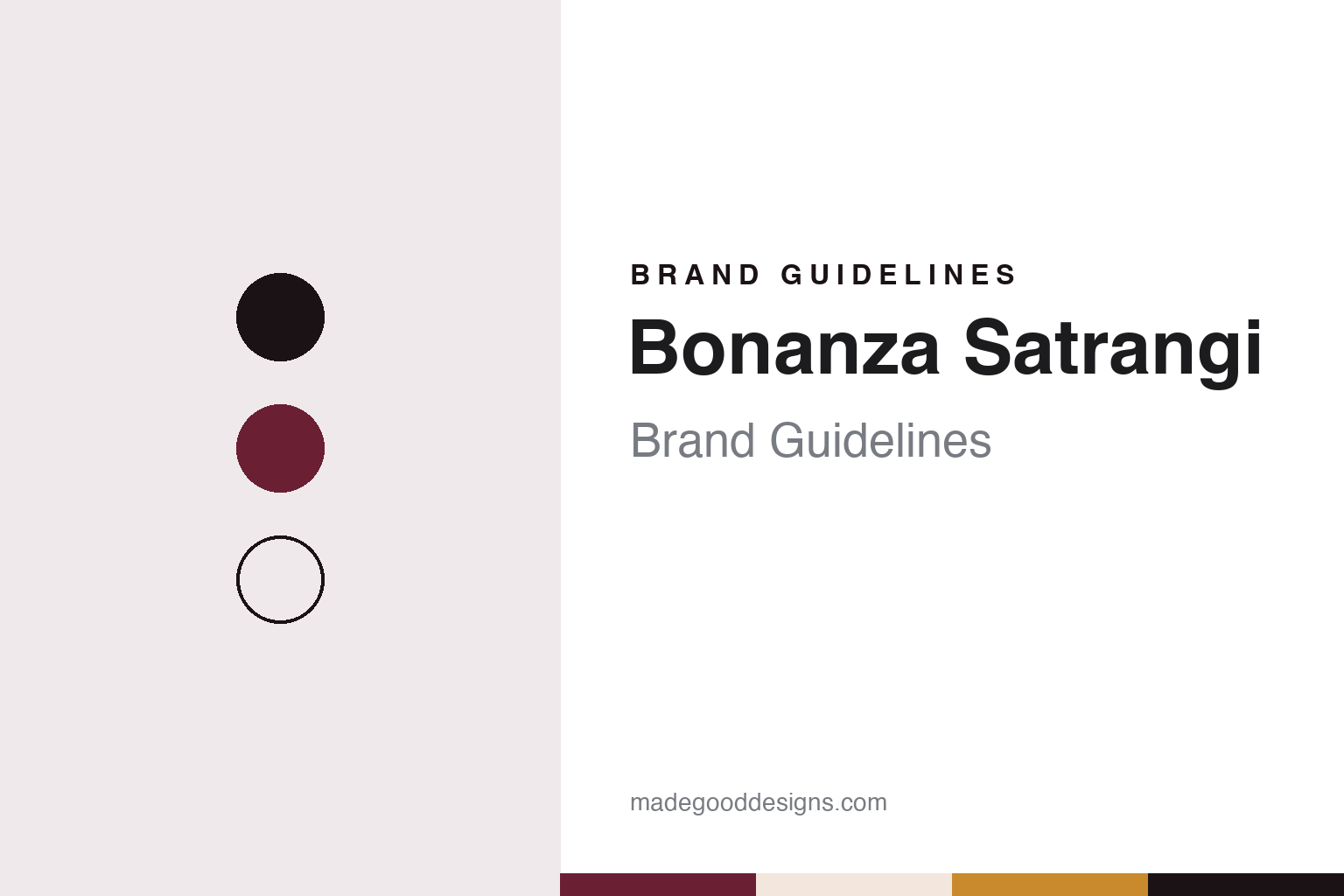
The company’s own words lean on long experience. The palette below, a deep plum with turmeric and a soft rose sand, is our own reading of the warm colours of eastern womenswear, not the company’s scheme.
For a design guide, Bonanza Satrangi shows how a family business can add a second name for a new audience and keep both under one roof. Compare Outfitters, a chain that runs a Western-wear brand and a separately named eastern-wear label, and Gul Ahmed, a textile-mill name with its own retail chain. For this guide we use a deep plum, ink, turmeric and rose sand with a serif, an unofficial interpretation; no product or logo is reproduced.
Explore & save
Keep Bonanza Satrangi’s identity on hand — save it to a board in the Made Good inspiration library.
Bonanza Satrangi identity set
Pin the Bonanza Satrangi plum, turmeric and rose-sand palette and the soft display serif register to your own board.
Source & notes
Frequently Asked Questions
What font can I use to match the Bonanza Satrangi look?
This guide describes Bonanza Satrangi’s type as “A soft display serif for a two-label family brand”. Its type specimen is set in Fraunces from Google Fonts as a stand-in; Fraunces is not Bonanza Satrangi’s own lettering.
What colours are in the Bonanza Satrangi palette?
This guide’s Bonanza Satrangi palette is Deep plum #6B1F33, Ink #1A1214, Turmeric #C98A2E, Rose sand #F3E6DC and Paper #FBF7F3. The tones are the guide’s own unofficial interpretation, not official Bonanza Satrangi hex codes.
When was Bonanza Satrangi founded?
Bonanza Satrangi was founded in 1975 or 1976 (as Bonanza), in Pakistan.
Who owns Bonanza Satrangi?
Bonanza Satrangi is owned by A family business; CEO Hanif Bilwani (2019).