Ercol Brand Guidelines
The steam-bent chair.
Aa
Two constants: an elm-and-ash palette and a heritage serif register. Abstract homage — not an Ercol chair or wordmark.
The steam-bent chair
Ercol makes steam-bent, solid-wood Windsor chairs in Princes Risborough, England.
Ercol is a lesson in a making method as the identity. An English furniture maker in Princes Risborough, Buckinghamshire, it is best known for a craft: the steam-bent, solid-wood Windsor chair, whose bows and spindles are bent from elm, ash and beech. A chair, made from a technique.
Its identity is the steam-bent chair. Ercol’s bent-wood Windsor seating, its 1956 Butterfly Chair and its “Originals” are the work it is known for. A method, made a signature. A maker whose craft is in the bend of the wood.
(Honest notes, so the story stays precise. Ercol was founded in 1920 by Lucian R. Ercolani, an Italian-born designer, in High Wycombe — the heart of English chair-making — and moved to Princes Risborough in 2002. It is family-owned, four generations in, with Henry Tadros as chairman. One honest caveat on where it is made: its iconic wooden Windsor and “Originals” seating is genuinely made in England, but a portion of its upholstery and some other ranges are made overseas — so we frame this piece around the England-made wooden seating rather than a blanket “all made in England” claim. Its designs and name are its IP, described but never reproduced, the brand styles its name in lower case, and there is no official brand hex — these tones are an unofficial interpretation. This is design commentary and does not promote any product.)
Colour
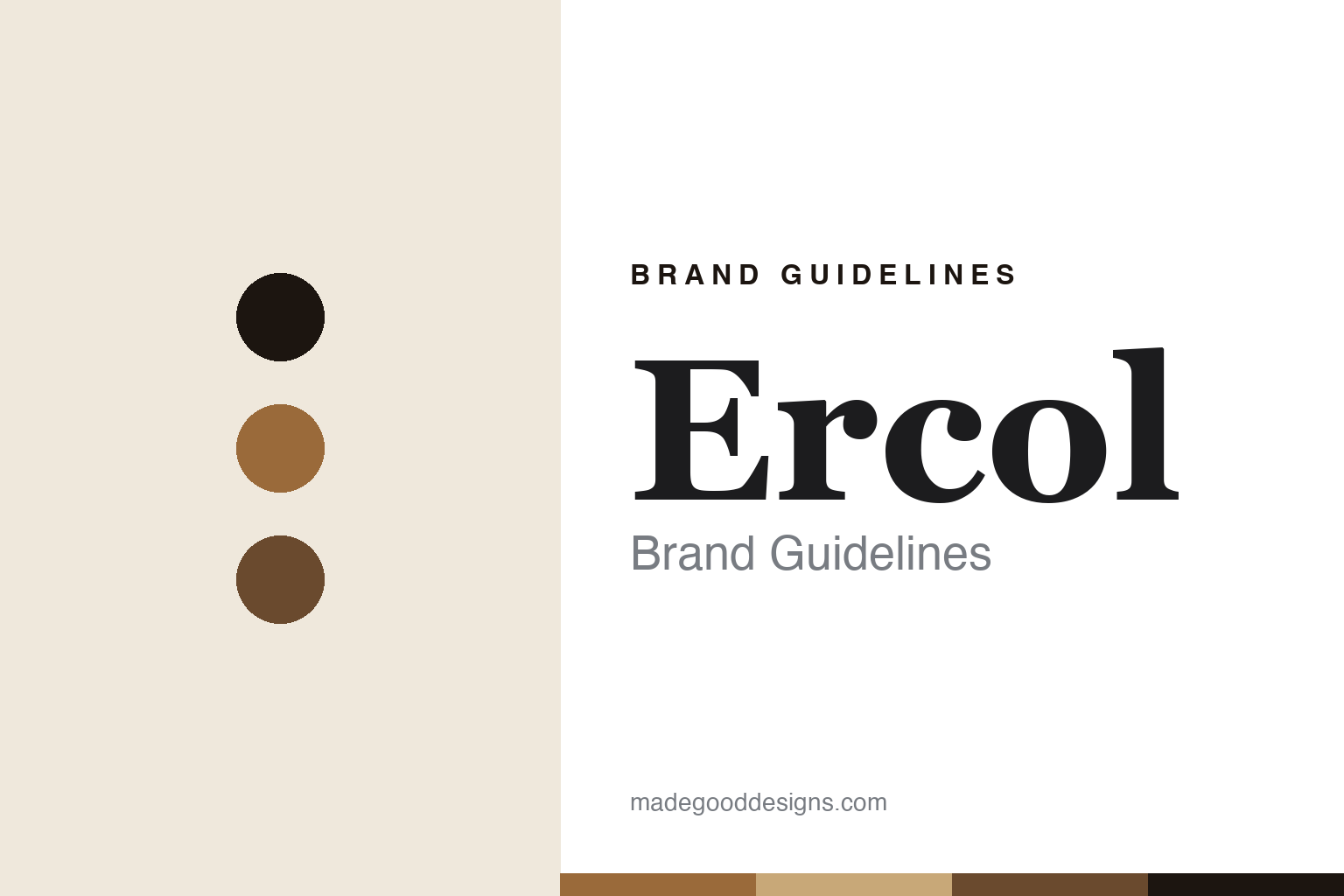
Ercol lives in an elm-and-ash palette. Click a swatch to copy the hex.
Ercol’s identity is warm, natural and crafted — an elm, an ink, an ash, an umber, and a cream. The palette leans elm and ash: the register of English hardwoods, bent and finished. It signals craft and warmth over flash. The honest caveat: with no published brand hex, these values are an original, unofficial interpretation, not first-party colours.
The lesson is an elm-and-ash palette signals a warm, crafted identity. Ercol’s world is a natural, made, English-wood object. For designers, it is a reminder that warm hardwood tones can carry a brand built on craft — the elm of a seat and the ash of a bent bow. Because these tones can fail as small text, keep type dark and let the colour live in the accents, palette and band. The takeaways: own a method; bend the wood; make it at home; and treat any single hex as unofficial.
Typography
The register is a heritage serif — warm, classical, made.
Ercol’s identity carries a warm, classical, made spirit — a crafted object, not a mass one. A heritage serif captures the mood: calm, readable and a little traditional, the register of a bent-wood Windsor chair. Set in an elm-and-ash palette, the heritage serif feels warm and classical — exactly the personality Ercol carries. It is made rather than manufactured, mirroring a hand-finished, steam-bent chair. (Ercol’s real chairs and wordmark are things we describe but do not reproduce, and the exact typeface is not ours to use.) Because it is not ours to use, the honest description is “a heritage-serif spirit,” shown here in a stand-in. The type behaves like the maker: warm, classical and made.
Aa
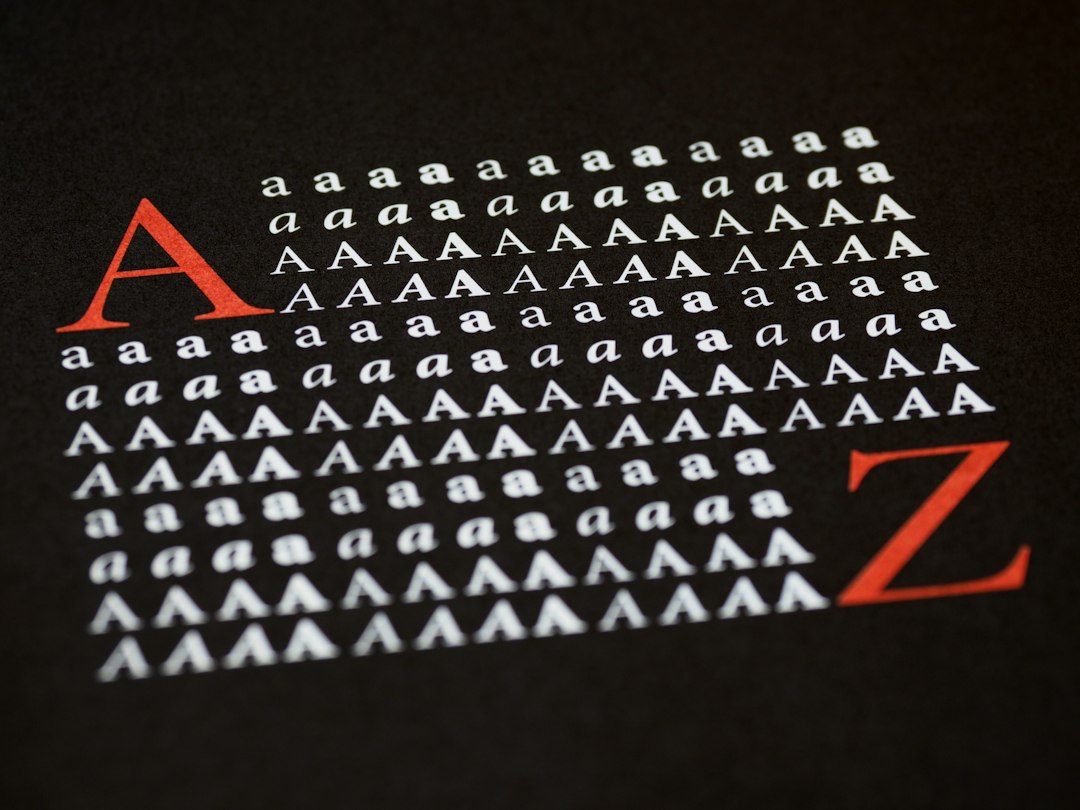
A heritage-serif spirit — warm and classical. (Specimen set in Newsreader, a heritage-serif STAND-IN; NOT the Ercol wordmark or any chair design.)
A method as identity
Ercol stands for the steam-bent chair.
Ercol is a lesson in making a method the identity. An elm-and-ash palette, a heritage serif and steam-bent Windsor chairs make one craft the whole maker — warm, natural and made. The method is the differentiator. The differentiator is a genuine technique — steam-bending solid English hardwood into the bows and spindles of a Windsor chair — carried in the same workshops for a century.
Put to work, the identity is a method as design. A maker building in this spirit would own one real technique rather than a look, keep that craft at home, and be candid about which parts are made where, so the customer buys into a made object rather than a marketing story. It would let a warm, natural material stand for its values, so that the wood itself is the brand. It would treat a hundred-year-old craft as a living discipline rather than a heritage motif, so that the bend of a chair still means something. The lesson Ercol teaches is that a genuine making method can build a brand: the technique gives it substance, and the English making gives it credibility. The method is the personality, and the making is the proof.
For designers and brand-builders, Ercol offers a clear takeaway: own a making method and be honest about it. The lessons: keep a craft; bend the wood; make the core at home; and be candid about the story. It is also a reminder to stay accurate: Ercol is an English, family-owned maker founded in 1920 by Lucian Ercolani, steam-bending solid-wood Windsor chairs in Princes Risborough — its wooden seating England-made, some upholstery made overseas — with the palette here an unofficial interpretation. Ercol made the steam-bent chair the maker — proof that a method can be the difference.
Explore & save
Keep Ercol’s identity on hand — save it to a board in the Made Good inspiration library.
Ercol identity set
Pin the elm-and-ash palette and the heritage-serif register to your own board.