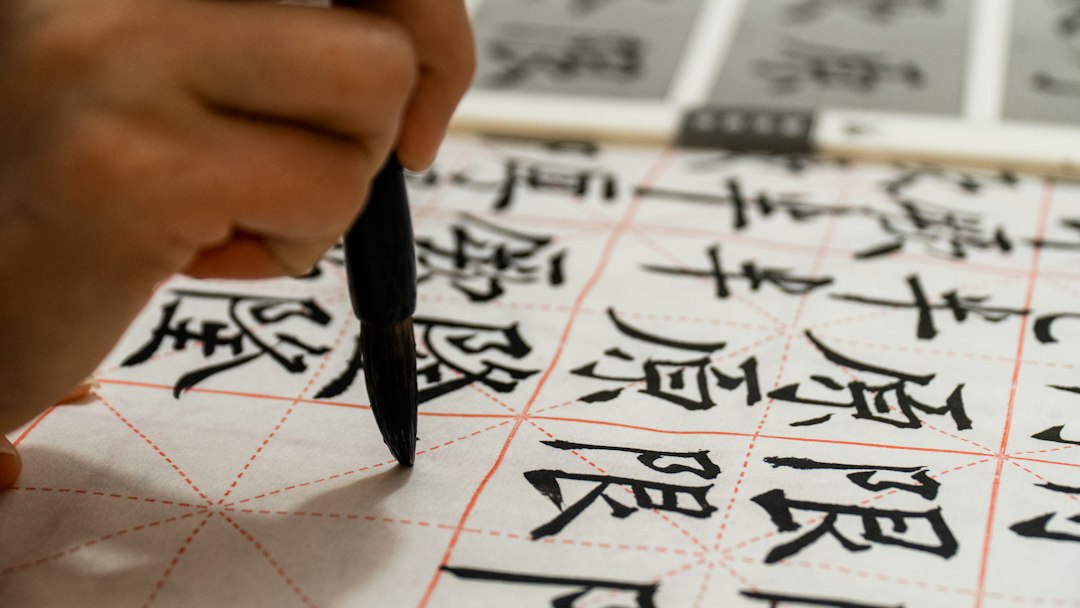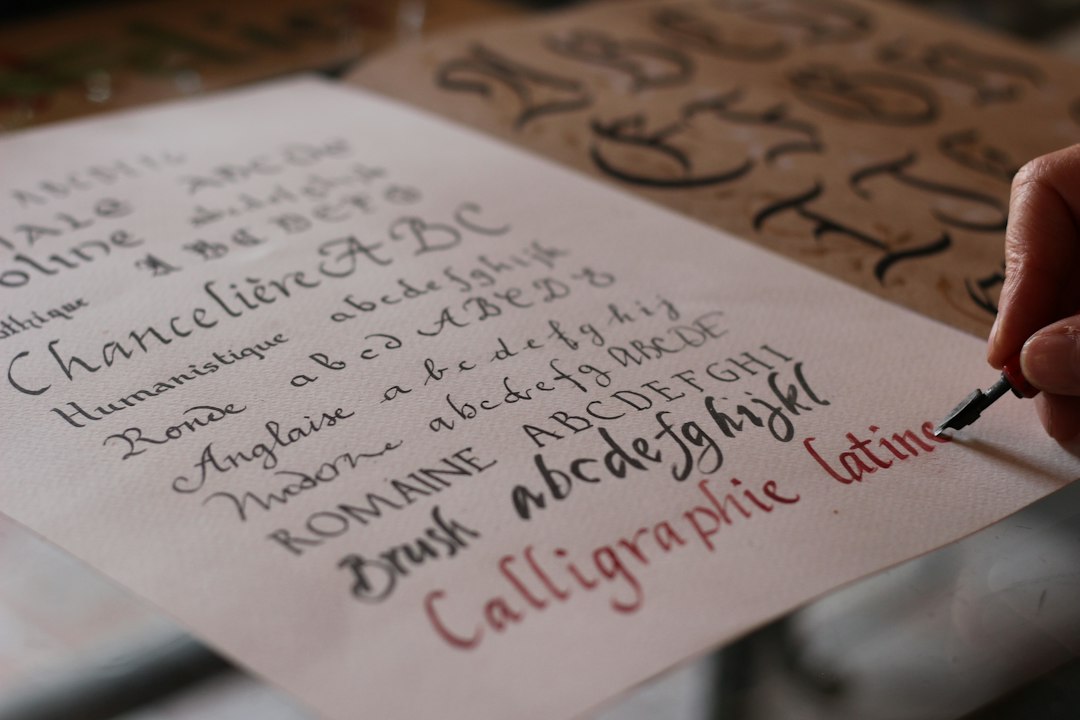
Gotu font pairings are all about its curves. The Ek Type description, read on the foundry’s Gotu family page and in the upstream GitHub README for this guide, opens with rotund curves, large loops and voluminous counters. It says Gotu reimagines Devanagari calligraphy: the letters are penned with a traditional canted nib, but their structures are improvised with an expressive whim that challenges ideas of consistency. The Latin carries the same spirit as a modulated sans serif that keeps a calligraphic stress and some delicate quirks. Ek Type suggests uses from a quaint monograph to a striking headline, an ornate invitation or a chic brand. The README credits the Devanagari to Sarang Kulkarni and the Latin to Kailash Malviya, with Ek Type, a Mumbai collective focused on contemporary Indian typefaces, leading the project. Google Fonts added Gotu in 2020.
Is Gotu a heading or body font?
Gotu is a heading and display font. With a single regular weight and such lively, swooping forms, it shines on titles, invitations, packaging, posters and short taglines, and the Ek Type site shows it in use by a newspaper and in a Marathi campaign. Long paragraphs, forms and captions need a steadier family with several weights.
Gotu weights, styles and licence
On Google Fonts, Gotu has one style: Regular 400. It is a static family, with no variable axis. There is no true italic, so avoid the slanted text a browser fakes when you ask for one. Because there is only one weight, create hierarchy with size and colour, and let the partner supply the bold. The README says the font covers Devanagari and the Google Latin Pro glyph set. The licence is the SIL Open Font License. In plain words, you can use it free for personal and commercial work, embed it on websites and in apps, use it in logos, print and video, and modify it, but you cannot sell the font files on their own.
Best fonts to pair with Gotu
Gotu takes the headings in all five rows. The first three partners cover Devanagari, so bilingual Hindi or Marathi pages stay consistent; the last two are for mainly English work.
| Pairing | Use as | Why it works |
|---|---|---|
| Gotu + Mukta | Heading + Body | Mukta is another Ek Type family, with seven weights in Devanagari and Latin, so it carries text calmly under expressive Gotu headings. |
| Gotu + Hind | Heading + Body | Hind is an open, readable Devanagari and Latin sans with five weights, a dependable body face for news and magazine pages. |
| Gotu + Noto Sans Devanagari | Heading + Body | Noto Sans Devanagari offers weight and width axes, useful for dense interfaces and forms beneath a decorative Gotu title. |
| Gotu + Lora | Heading + Body | Lora has gentle calligraphic curves of its own and true italics, so English stories feel related to the Gotu headings above them. |
| Gotu + Work Sans | Heading + Body | Work Sans is plain and unfussy, letting a Gotu logo or title carry all the personality on an English language brand site. |
To try the first pairing, load both families from Google Fonts and assign the roles in CSS:
<link href="https://fonts.googleapis.com/css2?family=Gotu&family=Mukta&display=swap" rel="stylesheet">
h1, h2, h3 { font-family: "Gotu", sans-serif; }
body { font-family: "Mukta", sans-serif; }
Gotu + Mukta (for weddings, festivals and cultural brands)
Invitations, festival programmes and heritage brands are where the loops of Gotu feel most at home. Set names, event titles and the brand mark in Gotu, and set dates, venues, schedules and RSVP details in Mukta Regular or Medium. Both come from Ek Type, so the Devanagari in each feels considered rather than borrowed, and Mukta has the bold weights Gotu lacks. The Mukta font pairings guide explores more uses for the text face.
Gotu + Hind (for Hindi and Marathi magazines)
Magazines and supplements can use Gotu for mastheads, feature titles and pull quotes, and Hind for articles, captions and listings at 17 to 18 pixels. Hind keeps paragraphs even and quick to read, which balances the calligraphic swing of the headings. Use a darker colour or larger size for Gotu rather than trying to make it bolder, since the browser will fake any weight it does not have. More options are in the Hind font pairings guide.
Gotu + Lora (for monographs, books and English editorial)
Ek Type mentions a quaint monograph among the uses for Gotu, and a book or long essay in English benefits from a text serif with some softness. Set the book title, chapter openers and running heads in Gotu, and run the text in Lora at 18 pixels, using its italic for titles and foreign words. The shared calligraphic feeling ties the two together while Lora stays calm enough for long reading.
How to pair fonts with Gotu yourself
Gotu is the decoration, so choose a partner that is plain, available in several weights and, for Hindi or Marathi, built for Devanagari. Avoid pairing it with another calligraphic or script face. Keep Gotu large: its loops and counters need room, so treat around 28 pixels as a floor on screens. Within this group, Yantramanav is a clean Devanagari sans that could also sit under Gotu, and Ojuju shows another expressive display face. Try both roles in the font pairing generator.
Frequently Asked Questions
What font pairs best with Gotu?
Mukta is the best partner for weddings, festivals and cultural brands. Hind suits Hindi and Marathi magazines, Noto Sans Devanagari fits interfaces and forms, Lora works for English books, and Work Sans keeps brand sites simple.
Is Gotu free?
Yes. Gotu is free on Google Fonts under the SIL Open Font License, which allows personal and commercial use, embedding on websites and in apps, and use in logos and print. You cannot sell the font files on their own.
Who designed Gotu?
Gotu was made by Ek Type, a collective of type designers in Mumbai. The upstream README credits the Devanagari to Sarang Kulkarni and the Latin to Kailash Malviya. Google Fonts added the family in 2020.
Is Gotu a script font?
Not exactly. Ek Type describes a Devanagari penned with a traditional canted nib and a Latin that is a modulated sans serif with calligraphic stress. Google Fonts files it as a sans serif, but it behaves like a display face.
Does Gotu support Hindi?
Yes. Gotu covers the Devanagari script used for Hindi, Marathi and other languages, and Google Fonts lists Devanagari, Latin, Latin Extended and Vietnamese subsets.