Hondos Center Brand Guidelines
Five brothers, a 1967 Athens shop and a shared store name.
Aa
Two constants: a plum, rose and gold palette and a warm serif register. Abstract homage — not a Hondos Center product or mark; no logo, sign or packaging is reproduced.
Omirou Street
Five brothers, a kiosk and a cosmetics shop.
Hondos Center began in Athens in 1967. According to a profile by Forbes Greece, published by Capital.gr in November 2023, the founders were five brothers, Nikos, Giorgos, Kostas, Giannis and Argyris Hondos, who came to the capital from the Agrafa area of Evrytania, in central Greece. The business news site Powergame reported in July 2024 that they were the five sons of Sotiris Hondos and came from the village of Mikres Agrafon.
Both accounts describe a modest start. The brothers first worked as travelling salesmen of soap, perfume and inexpensive cosmetics, Forbes Greece says, and then took over a kiosk on Omirou street in central Athens. In 1967 they opened a cosmetics shop and stockroom directly across the street from that kiosk. Powergame describes the same move as the brothers putting their savings into products aimed mainly at the women shoppers of Athens.
From cosmetics the range widened. Both reports say the stores went on to sell clothing, shoes, accessories, jewellery and homeware, and Powergame adds that the shops carry cosmetics on both selective and wide distribution and now address the whole family rather than women alone. The format is closer to a compact department store than to a single-category beauty shop, and the name on the fascia reflects that: Hondos Center rather than a perfumery title.
The family has kept a low public profile, Forbes Greece notes, and the chain’s own presentation has leaned on national symbols; the magazine mentions Greek flags in the stores and sayings from ancient Greek writers printed on the lighters handed to customers as gifts.
Colour
One name, several family companies.
Hondos Center is not a single company. Forbes Greece describes an unusual ownership arrangement in which members of the family manage the Hondos Center mark through different companies, each running its own group of stores. Powergame explains the reasoning: because five brothers shared the idea, it was decided early on that each would control different areas and stores, using franchising in some cases, while keeping a common policy on suppliers, partnerships, communication and the promotion of the big cosmetics houses.
The companies named in the 2023 profile include Hondos Center AEE Polykatastimata, which ran stores in Patras, Heraklion, Rhodes, Corinth, Mykonos and elsewhere along with the online shop, and Step, which ran stores in Thessaloniki, Volos and Larissa; other family companies, among them Answer and Makaldi, ran groups of stores in Athens, Piraeus and Chalkida. Many of the provincial stores operate as franchises, according to Forbes Greece. Powergame reported in 2024 that one branch of the family controlled the flagship store at Omonia and the Kolonaki and Kallithea stores, while another ran Ermou, Kifisia, Marousi and Pagkrati.
The arrangement also produced a split. In 2004, Forbes Greece reports, one of the five brothers went his own way, and his company, Hondos Pallas, kept the right to use the name on three Athens stores. The rest of the family stated publicly that Hondos Center had no business link with that company beyond its use of the name. Powergame reports that Hondos Pallas filed for court protection in 2015, and both sources record that it was declared bankrupt in 2017 by the Athens Multi-Member Court of First Instance. Both make clear that the bankruptcy concerned that separate company and not the Hondos Center companies, which continued trading.
Typography
Signs, formats and owners.
Greek retail chains range from family supermarket groups to department stores and specialist chains for toys, cosmetics, electronics, books and mobile phones. Many of them carry a founder’s surname on the shop sign, as Sklavenitis and AB Vassilopoulos do, so the name over the door often doubles as a piece of company history.
Ownership takes several forms. Some chains have stayed with their founding families; others are listed on the Athens exchange; others belong to international groups, as AB Vassilopoulos has belonged first to Delhaize and now to Ahold Delhaize. This guide describes each owner plainly, with dates, and attributes any claim a company makes about itself to that company.
The trade has also been reshaped by takeovers. When Marinopoulos ceased trading on 1 March 2017, most of its stores, including those under the Carrefour name, passed to a Sklavenitis subsidiary; smaller regional chains have since been bought in turn, and some keep their own names on the sign after a sale. Store counts change quickly, so the figures given here are tied to the date and source that gave them.
Shop signs, logos, carrier bags and colour schemes are described only as the companies publish them, and own brands, loyalty schemes and online shops are named as the companies name them. Where a company publishes pages about its founders and owners, those pages are treated as its own account. The palettes and typefaces shown alongside each guide are an unofficial interpretation chosen for this site, not official brand colours or logo lettering.
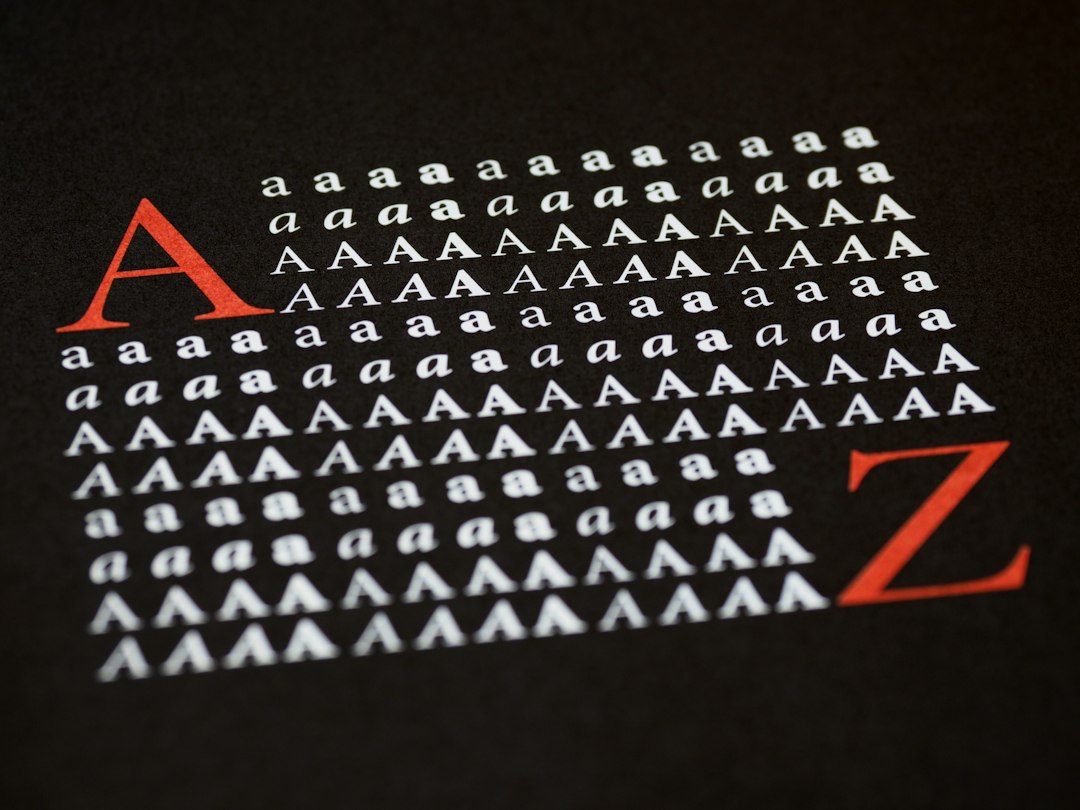
Aa
A warm serif — chosen to suggest a cosmetics counter. (Specimen set in Fraunces, a serif STAND-IN; NOT the Hondos Center logo.)
Hondos Center
A flagship in a 1960 hotel.
The most fully documented building in the chain is its flagship at Omonia Square. Imagining Greece, a digital exhibition on the history of Greek tourism, records that the Omonia Hotel was built there in 1960 to a design by the architect Antonis Kitsikis: a C-class hotel of 288 rooms on eight standard storeys, with a cinema in its second basement and shops in an arcade linked to the underground railway station. Before it, the corner held a two-storey building that had housed small hotels over the years, with the Zacharatos pastry shop on its ground floor. Since 1999, the exhibition says, the building has housed the Hondos Center department store, after conversion works that significantly changed its modern architectural style.
Powergame counted 74 Hondos Center department stores in July 2024, or 75 with the online shop: 20 in Athens, three in Thessaloniki, three on Crete, 13 on other islands from Mykonos and Santorini to Corfu, Zakynthos, Lesbos and Kos, and 35 elsewhere on the mainland. It put the number of people working across the group at more than 6,000, and Forbes Greece gave the same staff figure in 2023. The 2024 report also noted that a younger generation of the family had moved into leadership roles in several of the companies.
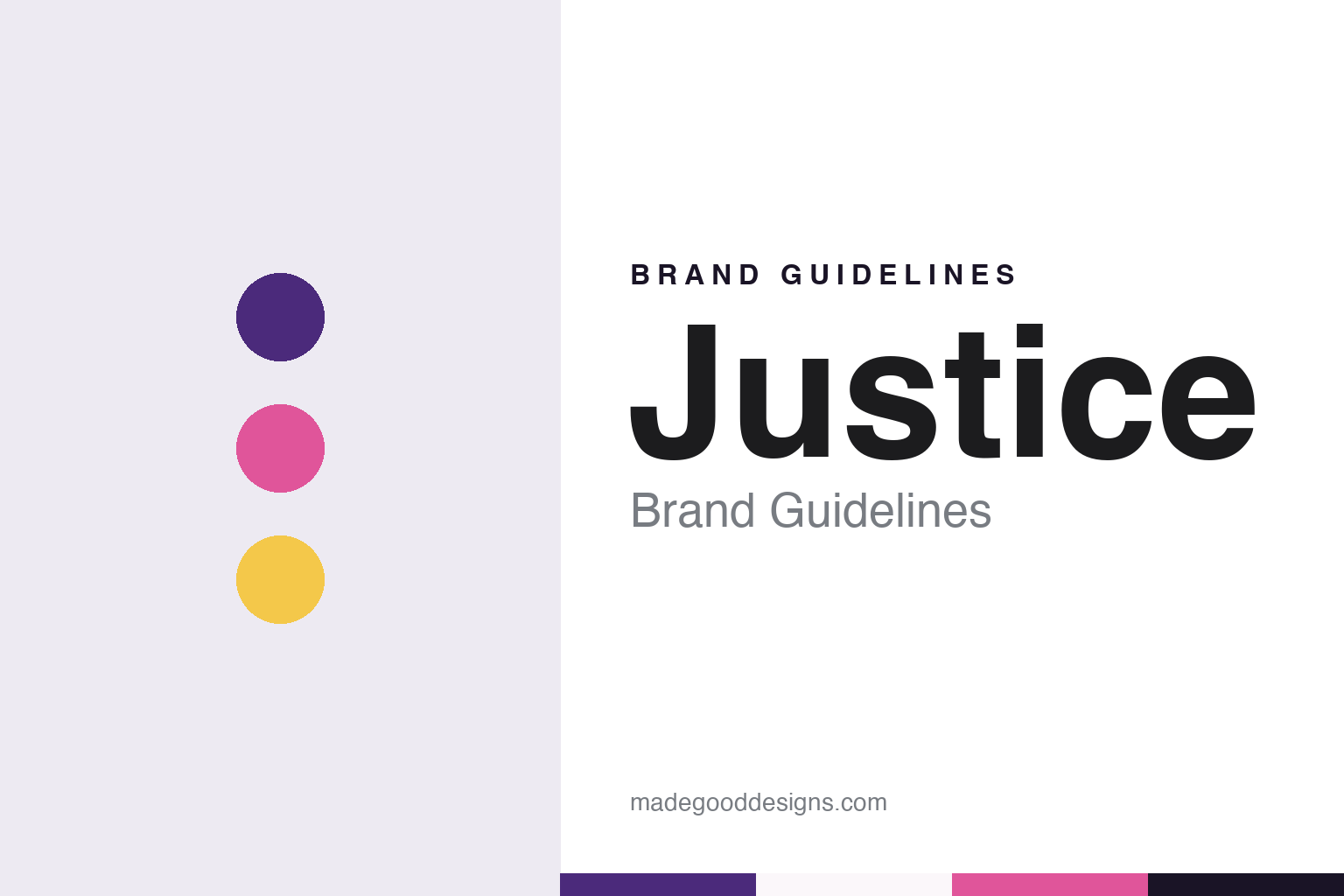
None of the sources sets out an official colour scheme or typeface for the chain, so the palette here is our own reading rather than a record of the company’s signs. We take a deep plum and a powder rose from the cosmetics counters the business started with, a muted gold for the gift-counter tradition Forbes Greece describes, and a dark ink for text, set with a warm serif to suggest the older, family-shop side of the story rather than a fashion label.
For a design guide, Hondos Center shows how one shop name can hold together a network run by several family companies, with the same title over cosmetics counters, fashion floors and homeware from Athens to the islands. Compare attica, the Athens department-store group, and Public, another Greek multi-category chain. For this guide we use a plum, a powder rose and a muted gold with a serif, an unofficial interpretation; no product or logo is reproduced.
Explore & save
Keep Hondos Center’s identity on hand — save it to a board in the Made Good inspiration library.
Hondos Center identity set
Pin the Hondos Center plum, rose and gold palette and the warm serif register to your own board.
Source & notes
Frequently Asked Questions
What font can I use to match the Hondos Center look?
This guide describes Hondos Center’s type as “A warm serif — chosen to suggest a cosmetics counter”. Its type specimen is set in Fraunces from Google Fonts as a stand-in; Fraunces is not Hondos Center’s own lettering.
What colours are in the Hondos Center palette?
This guide’s Hondos Center palette is Omonia plum #6A2E52, Night ink #1E1A1E, Powder rose #F3E1E4, Kiosk gold #C6A15B and Paper #F8F6F4. The tones are the guide’s own unofficial interpretation, not official Hondos Center hex codes.
When was Hondos Center founded?
Hondos Center was founded in 1967, in Athens, Greece. Hondos Center is known for Cosmetics, fashion and homeware department stores.
Who founded Hondos Center?
Hondos Center was founded by Nikos, Giorgos, Kostas, Giannis and Argyris Hondos in 1967.