Humane Brand Guidelines
An Apple-pedigree AI Pin, huge hype and a palm-projected laser — and one of tech’s cautionary tales.
Aa
Two constants: a minimal monochrome palette and a clean sans. Abstract homage — not the Humane wordmark.
Hype meets hardware
Humane promised to reinvent the gadget.
Humane is a lesson in the gap between hype and a finished product, reported here neutrally. It was founded in 2018 by Imran Chaudhri and Bethany Bongiorno, a married couple who were both ex-Apple veterans (Chaudhri a longtime iPhone/iOS design director; Bongiorno a software engineering director). That Apple pedigree, plus a bold vision of “the disappearing computer,” generated enormous anticipation. (Honest caveats: Humane never published official brand guidelines, so the colours and type here are observed/approximate; this section reports a cautionary tale factually.)
The product was the Humane Ai Pin — a screenless, magnetic clip-on wearable with a camera, sensors, voice AI, and a laser projector that beamed a display onto your palm. Priced at $699 plus a $24/month subscription, it was hyped hard: a famous TED talk, a Paris Fashion Week debut, and $230M+ raised from backers including Microsoft, Qualcomm, LG and (personally) Sam Altman, at a peak valuation near $850M. (A myth to correct: OpenAI the company didn’t fund Humane — Sam Altman invested personally; the corporate investor was Microsoft.)
Then reality hit. Launched to buyers in 2024, the Ai Pin drew devastating reviews — overheating, poor battery, laggy and inaccurate AI, a hard-to-read laser display — with one famous review titled “The Worst Product I’ve Ever Reviewed.” By late 2024, returns were reportedly outpacing sales. In February 2025, HP acquired most of Humane’s assets for about $116 million — a fire-sale acqui-hire for its team, 300+ patents and its CosmOS software — and the Ai Pins were bricked. Humane pursued a deliberately Apple-like minimalist premium identity — a clean “Humane” wordmark, spare layouts and a monochrome black-and-white palette — but the product never lived up to it.
Colour
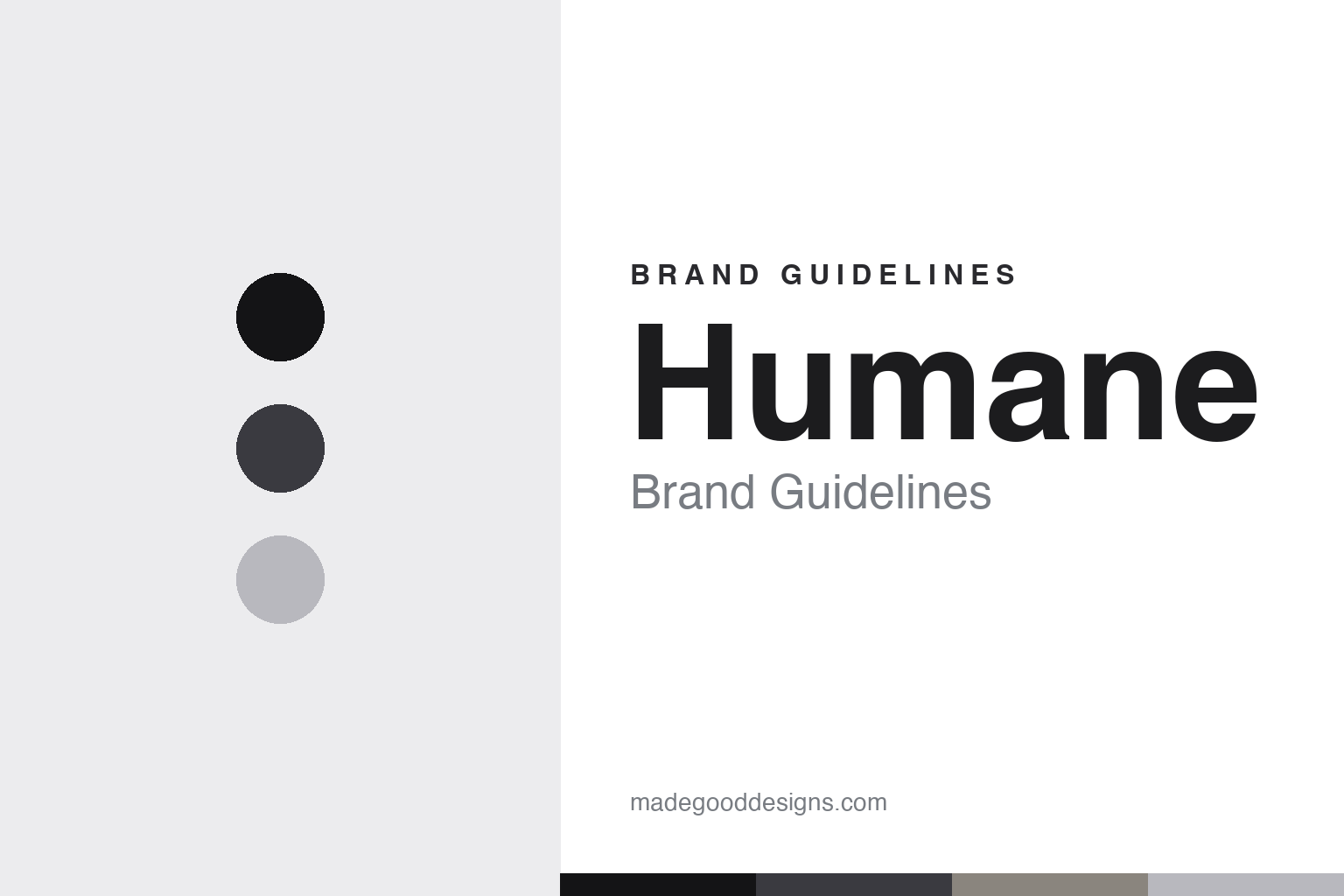
Humane lived in minimal monochrome. Click a swatch to copy the hex.
Humane’s identity was deliberately minimal and monochrome — black, white, and metallic device finishes (named hardware tones like “Eclipse” black and lighter “Lunar”/“Equinox”). The pared-back, high-negative-space aesthetic was a clear echo of Apple’s premium minimalism, meant to signal that this was a serious, design-led, luxury-grade product. The monochrome palette reads as sophisticated, calm and premium — an aesthetic that, on its own, was genuinely well-executed. The tragedy of the story is that the polished identity wrote a cheque the hardware couldn’t cash. The honest caveat: Humane never published official brand colours — the monochrome tones here are observed approximations, not a first-party spec.
The lesson is a premium identity must be matched by the product. Humane’s minimal monochrome looked the part, but a beautiful brand can’t rescue an unfinished device. For designers, it’s a sober reminder that identity is a promise the product has to keep. The takeaways: a premium, minimal identity sets high expectations (the monochrome, the Apple-like restraint); make sure the product can meet the promise the branding makes; and treat specific hexes as approximate when no official spec is published.
Typography
The type is a clean minimal sans — premium and restrained.
Humane’s clean minimal sans wordmark — “Humane,” in a spare, Apple-adjacent style — was premium and restrained. The even, understated letterforms read as sophisticated, calm and design-led, deliberately echoing the quiet confidence of Apple’s branding to signal a serious, luxury-grade product. Set in monochrome with lots of negative space, the type felt elegant and expensive — an identity that, judged purely as design, was polished and coherent. The hard lesson is that this restraint promised a level of refinement the Ai Pin never delivered. (Because Humane published no official font, the honest description is “a clean minimal sans,” not a named face.) The type behaved like the brand wanted to be seen: premium, restrained and confident — a promise the product couldn’t keep.
Aa
A clean minimal sans — premium and restrained. (Specimen set in Albert Sans, a clean sans in the spirit of the Humane wordmark; the real face is undocumented.)
When branding outruns the product
Humane looked the part it couldn’t play.
Humane is a lesson in the danger of a brand that outruns its product, told fairly. Everything about Humane’s presentation — the ex-Apple founders, the TED talk, the Paris runway, the minimalist identity, the huge funding — promised a revolutionary, premium device. But branding and hype are promises, and the Ai Pin couldn’t keep them: it shipped unfinished, and no amount of polished design or celebrity backing could paper over a product that overheated, lagged and frustrated. The result was one of tech’s most public cautionary tales, ending in a fire-sale acqui-hire. The identity wasn’t the problem — it was excellent; the problem was the gap between what the brand promised and what the hardware delivered.
For designers and brand-builders, Humane offers a clear takeaway: a great identity and heavy hype cannot substitute for a product that works — and over-promising is a real risk. The lessons: branding sets expectations, so the product must be able to meet them; hype and pedigree raise the stakes rather than lower them; and honest storytelling includes the failures. It’s also a reminder to keep the facts precise — Humane was founded in 2018 by ex-Apple couple Imran Chaudhri and Bethany Bongiorno, built the screenless Ai Pin with a palm-projected laser display ($699 + $24/month), raised $230M+ amid heavy hype (Sam Altman personally, not OpenAI the company), flopped on release in 2024, and was acquired by HP for ~$116 million in 2025 with the pins bricked. Humane looked the part it couldn’t play — proof that branding can’t substitute for a product that works.
Explore & save
Keep Humane’s identity on hand — save it to a board in the Made Good inspiration library.
Humane identity set
Pin the monochrome palette and the minimal-sans spirit to your own board.