Jaquar Brand Guidelines
India’s complete bathroom.
Aa
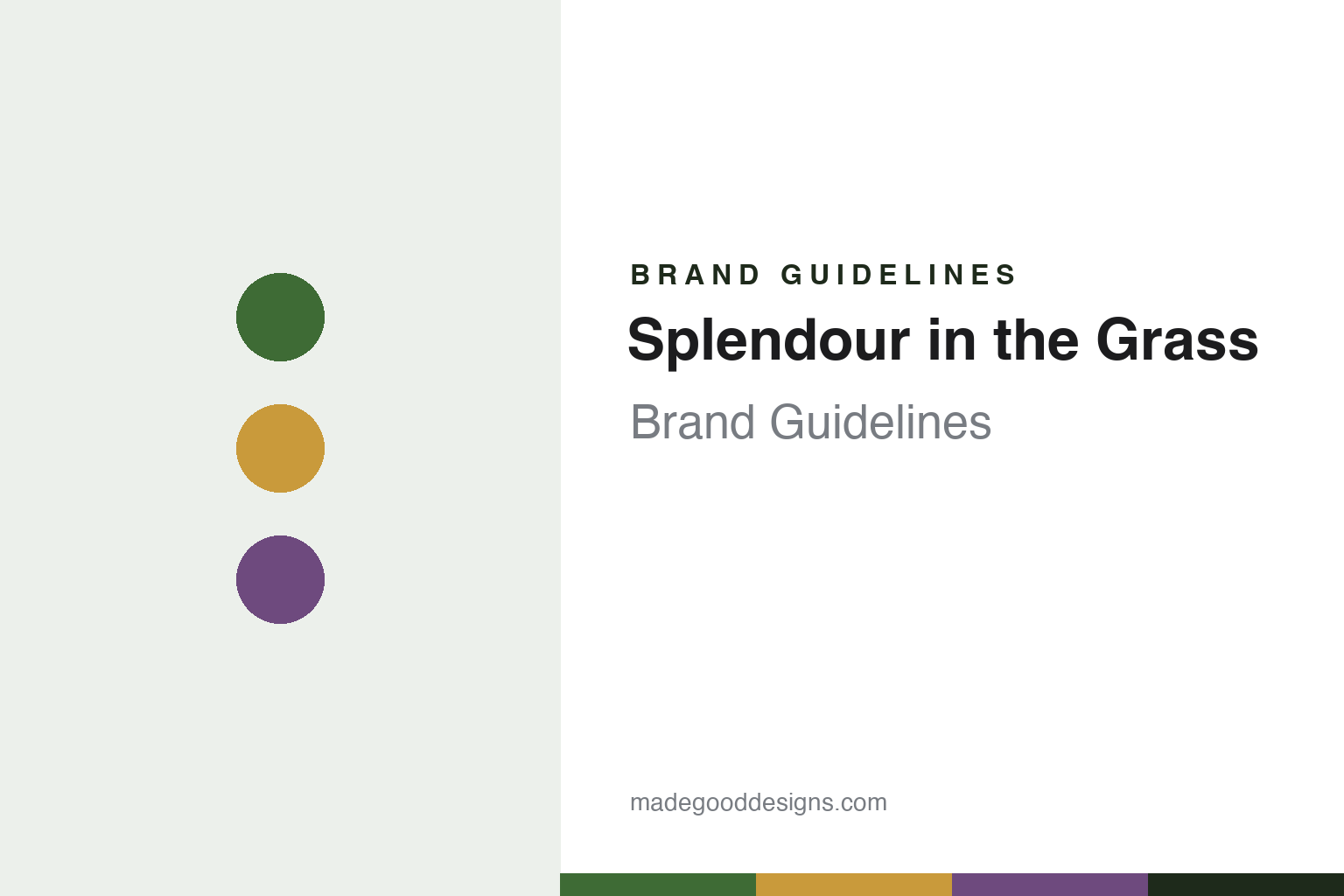
Two constants: a jade palette and a volume-sans register. Abstract homage — not a Jaquar product or mark.
India’s complete bathroom
Jaquar is the family-owned Indian bathroom group of 1960, home to the world’s largest single faucet plant, made in India.
Jaquar is the round’s Indian volume-maker — a family group that grew into one of the world’s largest faucet makers by output. Jaquar makes faucets and taps, showers, sanitaryware and wellness products, across a three-tier range of brands. Its answer to how a maker becomes a name is scale plus completeness: build enormous, vertically integrated faucet plants in India and supply the complete bathroom at every price point. A faucet, at national scale.
Its identity is India’s complete bathroom. Jaquar’s faucets, its complete bathroom range and its Indian manufacturing are the work it is known for. A fixture, made in India. India’s complete bathroom.
(Honest notes, so the story stays precise. Jaquar — the Jaquar Group, at jaquar.com — makes faucets and taps, showers, sanitaryware and wellness products, across three tiers: Essco at the value end, Jaquar in the middle, and Artize at the luxury end. It was founded in 1960 by N.L. Mehra, initially under the Essco name; the Jaquar brand name itself dates to 1986, reportedly from “Jai Kaur.” Its headquarters is at Manesar, in Haryana. On where it is made — a theme of this vein — Jaquar manufactures mainly in India, across several plants, with its Bhiwadi site described as the world’s largest single-unit faucet plant, plus one plant in South Korea, so it is India-made at its core with a growing global footprint. On ownership, it is family-owned and privately held, led by the founder’s sons, Rajesh, Ajay and Krishan Mehra, and it sells in over fifty-five countries. Its name and marks, and its sub-brands, are IP, described but never reproduced, and there is no official brand hex; these tones are an unofficial interpretation. This is design commentary and does not promote any product.)
Colour
Jaquar lives in a jade palette. Click a swatch to copy the hex.
Jaquar’s identity is large-scale, made and complete — a jade, an ink, a mint, a deep jade, and a paper. The palette leans jade and mint: a clean, watery register for polished chrome at volume. It signals a large complete-bathroom maker. The honest caveat: with no published brand hex, these values are an original, unofficial interpretation, not first-party colours.
The lesson is a jade palette signals a large-scale, made-in-India identity. Jaquar’s world is a large-scale, complete object. For designers, it is a reminder that a clean jade and a soft mint can carry a fittings maker — the colour of clean water and chrome. Because these tones can fail as small text, keep type dark and let the colour live in the accents, palette and band. The takeaways: build at scale; cover every price point; make it at home; and treat any single hex as unofficial.
Typography
The register is a volume sans — plain, capable, made.
Jaquar’s identity carries a plain, capable, made spirit — a national-scale maker, not a boutique. A volume sans captures the mood: efficient, confident and modern, the register of a maker that ships faucets by the hundred thousand. Set in a jade palette, the volume sans feels plain and capable — exactly the personality Jaquar carries. It is scale rather than a logo, mirroring a vast, integrated plant. (Jaquar’s real wordmark, and its sub-brands, are things we describe but do not reproduce, and the exact typeface is not ours to use.) Because it is not ours to use, the honest description is “a volume-sans spirit,” shown here in a stand-in. The type behaves like the maker: plain, capable and made.
Aa
A volume-sans spirit — capable and made. (Specimen set in Manrope, a volume-sans STAND-IN; NOT the Jaquar logo.)
The tap makers
Jaquar stands for India’s complete bathroom, made in India.
Jaquar is a lesson in how scale plus completeness can be an identity. A jade palette, a volume sans and a vast plant make one thing — India’s complete bathroom — the whole identity: large-scale, made and complete. The huge Indian faucet manufacturing is the differentiator, and the complete range across price tiers is the meaning. The point is an Indian family group that became one of the world’s largest faucet makers and supplies the whole bathroom at home and abroad.
Put to work, the identity is scale plus completeness, told straight, as design. A maker in this spirit would build big and cover every tier — Essco, Jaquar and Artize, from Manesar. A reader in this spirit would keep the details right: it was founded in 1960 as Essco, with the Jaquar brand from 1986; its headquarters is at Manesar; and it makes mainly in India, with one plant in South Korea, so it is India-made at its core rather than India-only. Jaquar holds the round’s around-the-world thread from India, its who-owns-it thread at the family-dynasty end with Roca, Gessi and Astra Walker, and its specialist thread as the volume complete-bathroom maker. The honest editorial moves are to date the group to 1960 and the brand to 1986, to name Manesar, and to state the India-core, one-Korea make. The lesson Jaquar teaches is that scale plus completeness can hold an identity: the Indian manufacturing gives it substance, and the complete range keeps it credible.
For designers and brand-builders, Jaquar holds an India pole in the tap makers: build at scale — and cover every tier. The lessons: manufacture big at home; serve every price point; get a founding and a headquarters right; state a make honestly; and never reproduce a logo. It is also a reminder to stay precise: Jaquar is the family-owned Indian bathroom group of 1960, home to the world’s largest single faucet plant, made in India — with the palette here an unofficial interpretation. Read that way, Jaquar is less a single tap than a national industry: a family that built India’s bathroom at a scale few makers anywhere can match. The lesson for a brand is that scale and range, kept in the family and made at home, can turn a national champion into a global one without ever badging an import. Jaquar made India’s-complete-bathroom the identity — proof that a fixture, honestly made, can be the difference.
Explore & save
Keep Jaquar’s identity on hand — save it to a board in the Made Good inspiration library.
Jaquar identity set
Pin the jade palette and the volume-sans register to your own board.