Meletti Brand Guidelines
Silvio Meletti’s anisetta house in Ascoli Piceno, founded 1870.
Aa
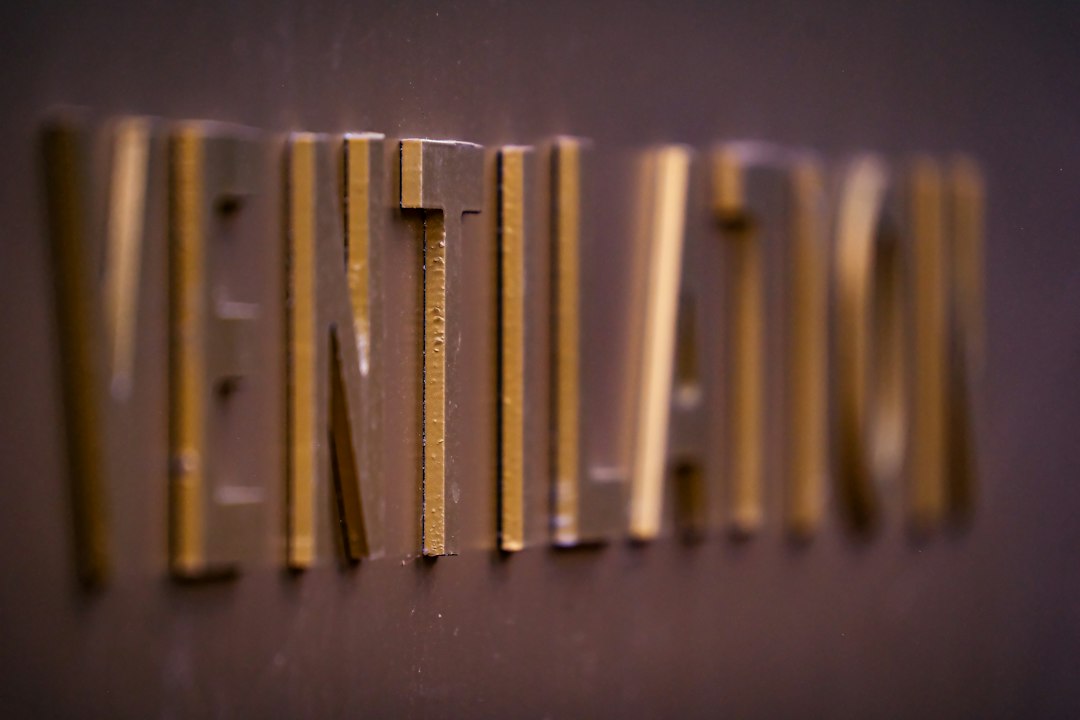
Two constants: an anise green, amaro orange and Liberty red palette and a high-contrast serif register. Abstract homage — not a Meletti product or mark; no label, logo, poster or bottle is reproduced.
An anise liqueur from a mother’s shop
From a home-made distillate to a family firm in its fifth generation.
The Ditta Silvio Meletti is a liqueur maker in Ascoli Piceno, in the Marche region of central Italy. Italian Wikipedia and the company both give its founding date as 20 September 1870 — the same day, Excellence Magazine noted in 2017, that Italian troops entered Rome through the breach at Porta Pia. The founder, Silvio Meletti, gave the firm his name, and so does its best-known product, Anisetta Meletti. ANSA marked the brand’s 150th anniversary in September 2020.
The company tells the origin story through Silvio’s mother. It says he left school early to help her in a small shop where, among other things, she sold a home-made anise distillate, and that he then studied French treatises on distillation — an 18th-century volume, the company says, is still in the family’s hands — before perfecting the recipe that became Anisetta. The company also says he had a bain-marie still built to his own design. The base is green anise, Pimpinella anisum; the company says the seed comes from clay soils around Ascoli, and Excellence Magazine reported in 2017 that the local anise is grown mainly around Castignano and Offida.
Growth came through salesmanship and exhibitions. The company says Silvio first spread the word by giving bottles to trusted people from nearby towns, and that he took on the agency for the Turin chocolate maker Venchi, selling its chocolates alongside his own anisetta in central Italy; Italian Wikipedia records the Venchi link as well. The company lists an honourable mention at the Paris exposition of 1878 and a run of medals and grand prizes up to 1914, at shows from Athens to Brussels and Ghent, and says a factory was built near Ascoli’s railway station in 1904. The firm also became a supplier to the Royal Household: the company credits King Umberto I with the warrant, while Italian Wikipedia places it under Victor Emmanuel III.
The business has passed down the family. The company says Silvio’s son Aldo joined as head of sales after serving in the First World War and later succeeded his father; that Aldo’s wife Annamaria then ran the firm until their son Silviano came of age, the only woman to have led it; and that Silviano presided over the company from the 1950s to 2005. Excellence Magazine reported in 2017 that the brothers Silvio and Aldo Meletti were at the head of the company, working with Silvio’s sons Mauro and Matteo. The company says the family, now in its fifth generation, remains the sole owner, and it lists its address in the Campolungo industrial zone of Ascoli Piceno.
Colour
Posters, a protected trademark and an orange label.
Meletti’s image was built as much on paper as on glass. The company says Silvio commissioned newspaper advertising and street posters when both were still new, and names Marcello Dudovich — the Trieste-born poster artist who, Italian Wikipedia says, started as a lithographer at the Officine Grafiche Ricordi in 1897 — as the most important of the artists he hired. Italian Wikipedia lists Dudovich among the artists behind Meletti posters and advertisements over the years, together with Giovanni Mingozzi, Remo Muratore, Giorgio Muggiani, Bruno Bellesia, Erberto Carboni and, more recently, Riccardo Guasco. It also says the company had one of the first colour advertising films shown in Italian cinemas, in 1953. The company’s website keeps a section of historic posters, postcards and 1930s advertising cartoons.
The mark itself is old enough to count as heritage. The company says the ANISETTA MELETTI trademark was first registered by Silvio Meletti in 1910, and ANSA reported in October 2021 that it had been entered in Italy’s Registro Speciale dei Marchi Storici di interesse nazionale, the special register of historic trademarks kept by the Italian Patent and Trademark Office, which, the company notes, admits marks registered for at least fifty years.
The Amaro Meletti has a look of its own. The company describes a round, conical clear-glass bottle with an orange and red label and gold decoration, and says the amber liqueur carries notes of caramelised sugar and saffron from the Sibillini mountains. The company announced in May 2018 that the amaro had received 96 points and the Chairman’s Trophy in the amaro category at the Ultimate Spirits Challenge, and in January 2025 it said that Wine Enthusiast had named the Ditta Silvio Meletti its Spirit Brand of the Year for 2024 at the 25th Wine Star Awards gala in San Francisco.
The name turns up in Italian culture, too. Italian Wikipedia notes that the Roman poet Trilussa wrote “Quante favole e sonetti m’ha ispirato la Meletti” — roughly, “how many fables and sonnets the Meletti has inspired in me” — that Anisetta Meletti appears in chapter 3 of Carlo Emilio Gadda’s novel Quer pasticciaccio brutto de via Merulana, and that a bottle is seen in Alessandro Blasetti’s 1954 film Peccato che sia una canaglia.
Typography
Design and documentation.
The seven brands in this group are all Italian spirits and liqueur names: Nonino, Nardini, Luxardo, Pallini, Braulio, Amaro Lucano and Meletti. Spirits and liqueur houses in general sit at many different points in the trade, from family firms that still carry a founder’s name to labels that now belong to much larger drinks groups, and a single bottle can be sold everywhere from a village bar to a cocktail list abroad.
A spirits or liqueur brand’s identity is usually carried less by what is in the bottle than by a label, a name and the place it promises, because the company behind the name may have changed hands, moved its production or grown far beyond the town where it started. That makes the questions behind each name worth asking plainly: who started it, who owns it now, and where its spirits or liqueurs are actually made and bottled.
Each guide separates what independent sources record from what the company says about itself — its founding story, its owners over time, where its spirits or liqueurs are made and how its labels have changed — and marks plainly what rests only on the company’s own word.
Aa
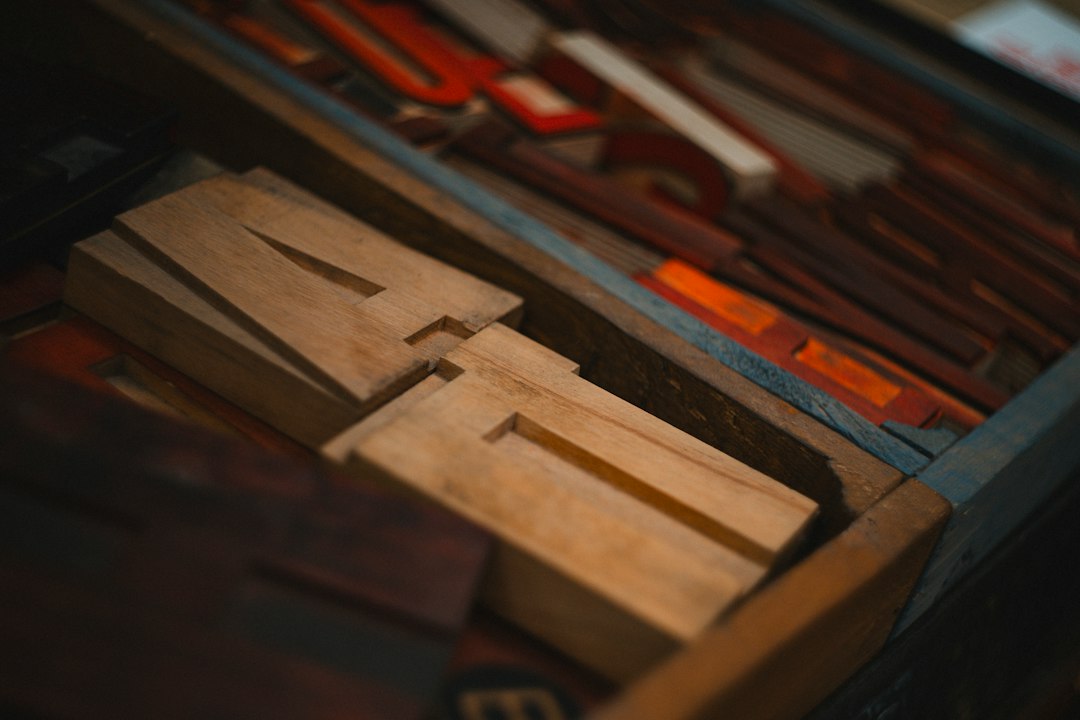
A high-contrast serif for a Liberty-era liqueur name. (Specimen set in Playfair Display, a serif STAND-IN; NOT the Meletti logo.)
Meletti
A liqueur, a café on the main square and a family name.
The other monument to the name stands on the city’s main square. Italian Wikipedia says Silvio Meletti, who had sold his liqueurs at an outlet there from 1880, bought the former post and telegraph building on Piazza del Popolo at a public auction on 22 December 1903, and that the Caffè Meletti opened in it on the evening of 18 May 1907, with ground-floor ceiling frescoes on an anise theme by Pio Nardini and a Liberty-style interior. The company says Silvio took a personal hand in the decoration, working the anise plant into the ceiling ornament. The café’s signature serve, Italian Wikipedia says, is anisetta “con la mosca”, with a coffee bean in the glass.
The café and the liqueur company have since gone separate ways. The company says the family gave up the café in 1991; Italian Wikipedia says it closed in 1990, that the Fondazione Cassa di Risparmio di Ascoli Piceno bought the building in 1996, and that the café reopened on 19 December 1998 after restoration. It is a member of the association Locali storici d’Italia. The firm, meanwhile, marked its 150th year with a book, Meletti. L’aristocrazia dei liquori italiani (Capponi Editore, 2020), illustrated by Riccardo Guasco, which received the Montegrappa special mention for corporate heritage in the Osservatorio Monografie d’Impresa awards for 2020. The company lists importers including Opici in the United States and Amathus in the United Kingdom.
One name to keep apart: Ascoli has a second historic anisette, Anisetta Rosati, which Italian Wikipedia traces to the pharmacist Umberto Rosati; it is a separate brand.
For a design guide, Meletti shows how a family liqueur house can lean on more than a century of commissioned posters, a Liberty café and a trademark listed as national heritage while keeping its founder’s name on every label. Compare Molinari, the star-anise sambuca from Civitavecchia, and Amaro Montenegro, the Bologna amaro of 1885. For this guide we use anise green, amaro orange, Liberty red and gilt with a high-contrast serif, an unofficial interpretation; no product or logo is reproduced.
Explore & save
Keep Meletti’s identity on hand — save it to a board in the Made Good inspiration library.
Meletti identity set
Pin the Meletti anise green, amaro orange and Liberty red palette and the high-contrast Liberty serif register to your own board.