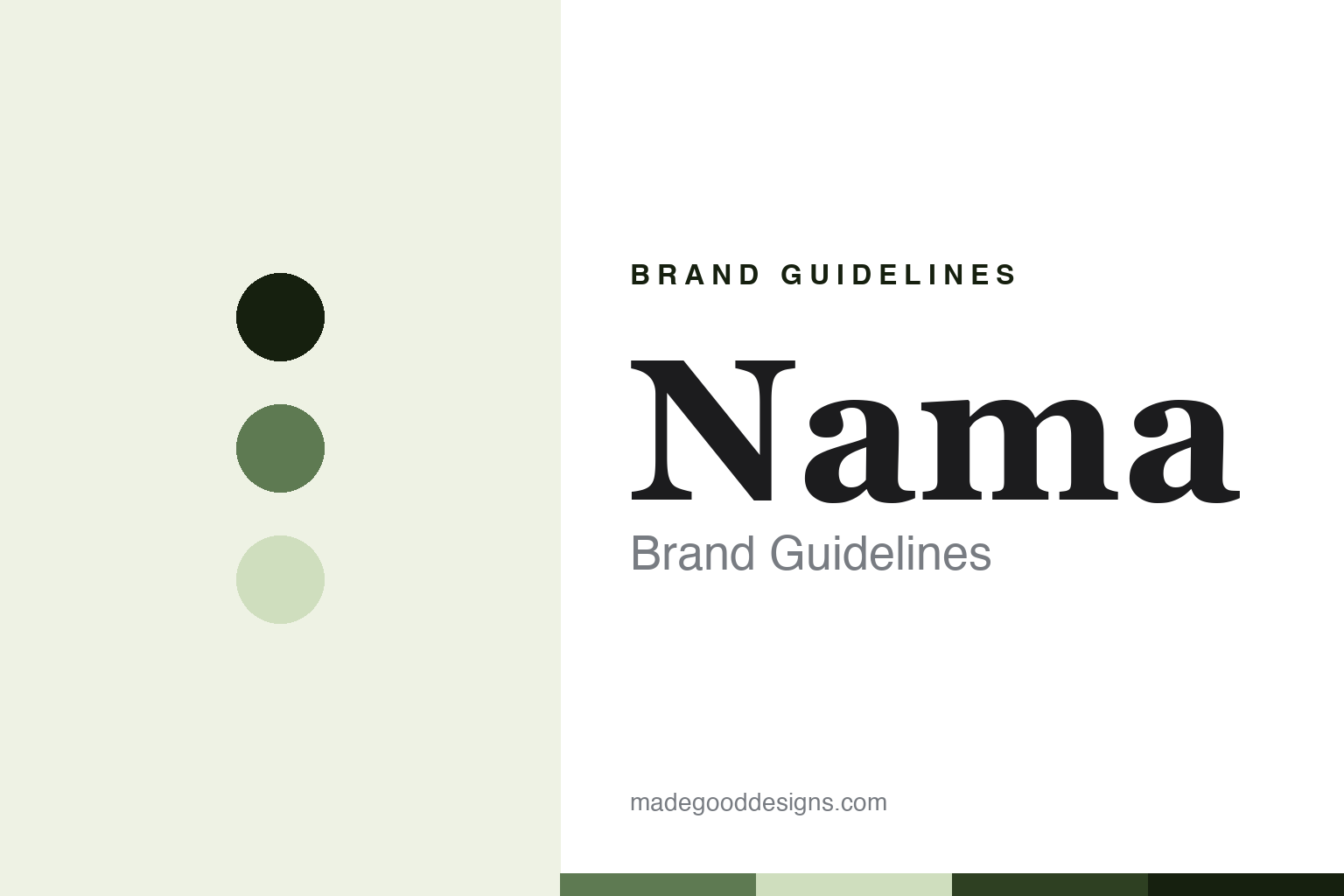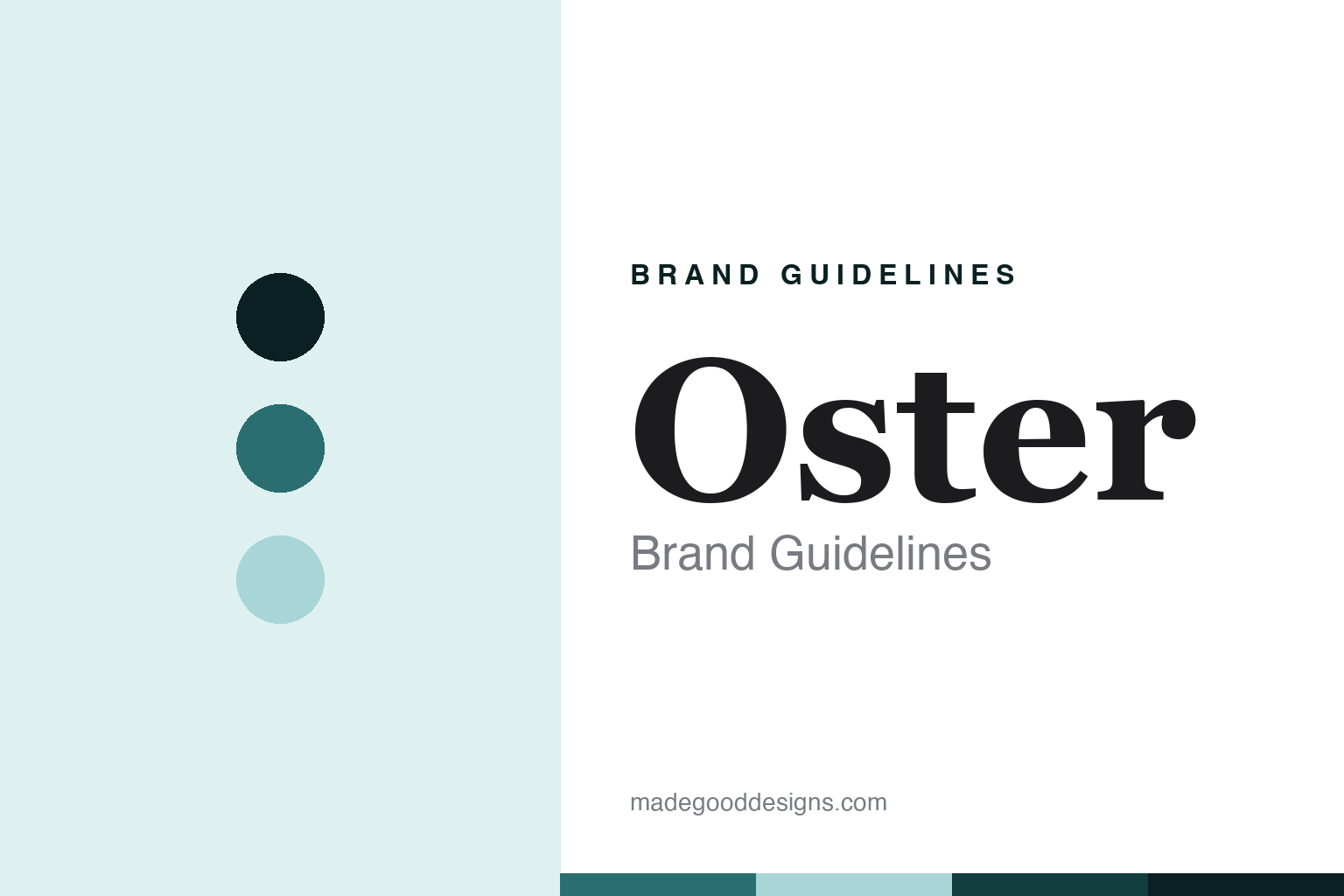
Oster Brand Guidelines
The mid-century icon.
Aa
Two constants: a heritage-teal palette and a heritage-serif register. Abstract homage — not an Oster product or mark; no blender, jar or logo is reproduced.
The mid-century icon
Oster is the Newell-owned American heritage name whose Osterizer beehive blender became a mid-century design icon.
Oster brings the round its heritage node — the century-old American name whose chrome-and-glass Osterizer sat on mid-century counters and became a design icon. It is a brand of Sunbeam Products, and its answer to a round about who owns the blender and where it is made is a long corporate lineage: an American heritage name now owned by Newell Brands, made mostly in China.
Its identity is the mid-century icon. The Osterizer design icon, the century-long lineage and the Newell ownership are the story here. A blender, iconic. The mid-century icon.
(Honest notes, so the history, the ownership and the manufacturing are framed accurately, with one surprising origin. Oster sells the classic Osterizer blender and modern Pro and Versa lines as its heroes, and we report its language as the brand’s own. On the surprising origin: Oster was founded in 1924 by John Oster as a maker of manual hair clippers, not blenders, and it still makes grooming products; the blender heritage came via a 1946 acquisition of Stevens Electric, which gave rise to the Osterizer. On the design icon, a genuine one: the beehive chrome-and-glass Osterizer, with its All-Metal Drive, is a mid-century design icon. On ownership, the point that matters: Oster passed through a long chain — Sunbeam, Allegheny International, Sunbeam-Oster, American Household, Jarden in 2004 to 2005 — and is now owned by Newell Brands, which acquired Jarden in 2016; Sunbeam and Oster are the same corporate family under Newell, not rivals. On where it is made: mostly China today. Its designs, the Oster and Osterizer names and the beehive shape are IP we describe but do not reproduce; these tones are an unofficial interpretation.)
Colour
Oster lives in a heritage teal. Click a swatch to copy the hex.
Oster’s identity is iconic, enduring and mid-century — a heritage teal, an ink, a pale aqua, a deep teal, and a paper. The palette leans heritage teal and pale aqua: a retro, chrome-era register that nods to a mid-century counter rather than a loud logo colour. It signals the mid-century icon — iconic, enduring and mid-century. The honest caveat: with no adopted brand hex, and with the beehive shape treated as trade dress, these values are an original, unofficial interpretation, not first-party colours.
The lesson is a heritage teal signals an iconic, mid-century identity. Oster’s world is a chrome blender that has been on kitchen counters for generations. For designers, it is a reminder that a retro heritage teal and a soft pale aqua can carry a hardware brand — a mid-century tone held as colour, not the beehive form. Because these tones can fail as small text, keep type dark and let the colour live in the accents, palette and band. The takeaways: date it to 1924; note the hair-clipper origin; credit the Osterizer icon; name Newell as owner since 2016; and place manufacturing in China.
Typography
The register is a heritage serif — iconic, enduring, mid-century.
Oster’s identity carries an iconic, enduring, mid-century spirit — a design heirloom, not a newcomer. A heritage serif captures the mood: classic, warm and established, the register of a chrome icon from the mid-century kitchen. Set in a heritage-teal palette, the heritage serif feels iconic and enduring — exactly the personality Oster carries. It behaves like a made, lasting thing rather than a loud logo, mirroring a vortex swirl and a chrome-facet texture. (Oster’s real products, the Osterizer name and the beehive form are things we describe but do not reproduce, and the exact typeface is not ours to use.) Because it is not ours to use, the honest description is “a heritage-serif brand,” shown here in a stand-in. The type behaves like the brand: iconic, enduring and mid-century.
Aa
A heritage-serif brand — iconic and enduring. (Specimen set in Playfair Display, a heritage-serif STAND-IN; NOT the Oster logo or the beehive form.)
The blender
Oster stands for the mid-century icon.
Oster brings the round its heritage node. A heritage-teal palette, a heritage serif and a 1924 founding make one thing — the mid-century icon — the whole identity: iconic, enduring and mid-century. The Osterizer design icon is the pitch, and the century-long lineage is the proof. The point is a chrome-and-glass icon that outlived every owner, in a round about who owns the blender and where it is made.
Put to work, the identity is the brand told straight, the origin noted and the ownership traced. A brand in this spirit would date it to 1924, note the hair-clipper origin, and name Newell as owner since 2016. A reader in this spirit would keep the facts right: Oster sells the Osterizer and modern Pro and Versa lines as heroes; it was founded in 1924 by John Oster making hair clippers; the blender came via the 1946 Stevens Electric acquisition; it is now a Newell brand under Sunbeam; and it is made in China. Oster sits third in the round, after Nama. The honest editorial moves are to date it to 1924, to note the hair-clipper origin, to credit the Osterizer, to name Newell, and to place manufacturing in China.
For designers and brand-builders, Oster continues the blender: let a design icon carry a heritage name — and trace the ownership honestly. The lessons: a single iconic product, here the beehive Osterizer, can define a brand for a century; an origin can be surprising — a blender giant that began in hair clippers — and worth telling; a heritage name can pass through many owners and end up inside a conglomerate, so attribution must be current; and a beloved shape is trade dress to describe, not reproduce. It is also a reminder to stay precise: Oster is the Newell-owned American heritage name whose Osterizer beehive blender became a mid-century design icon — with the palette here an unofficial interpretation. The hook is that longevity: the Osterizer’s chrome-and-glass form has sat on counters since the mid-century, a design icon that outlasted John Oster’s hair-clipper beginnings and a long chain of owners to land, today, inside Newell Brands and be made in China. Read that way, Oster is less an appliance than a mid-century icon: iconic, enduring, mid-century. The lesson for a brand is that a design icon and honest ownership tracing reinforce each other, and naming Newell keeps the story earned. Oster made the-mid-century-icon the identity — proof that a design icon can carry a round.
Explore & save
Keep Oster’s identity on hand — save it to a board in the Made Good inspiration library.
Oster identity set
Pin the heritage-teal palette and the heritage-serif register to your own board.