Powell Flutes Brand Guidelines
The Boston flute house.
Aa
Two constants: a silver-blue palette and a studio-sans register. Abstract homage — not a Powell flute, headjoint or mark.
The Boston flute house
Powell Flutes is the American flute maker founded in Boston in 1927, hand-building its professional flutes in Massachusetts, now a Buffet Crampon brand with an overseas-bodied budget line.
Powell Flutes closes the round from Massachusetts, and it brings its two threads together — an American hand-made flagship, and a group owner with an overseas budget line. Founded in Boston in 1927, Powell hand-builds professional flutes and piccolos in silver, gold and platinum. Its answer to how a house becomes a name is craft and precision: hand-build fine flutes in New England, and put a Powell headjoint even on the more affordable line. An American flute — flagship hand-made at home, budget body made abroad.
Its identity is the Boston flute house. Powell’s hand-made American flutes, its Massachusetts workshop and its group ownership are the work it is known for. A flute, from Boston. A hand-craft house inside a larger group.
(Honest notes, so the story stays precise. Powell Flutes — Verne Q. Powell Flutes — was founded in 1927 by Verne Q. Powell in Boston, Massachusetts; it is based today in Maynard, Massachusetts. Verne Q. Powell had trained at another Boston flute maker before founding his own firm, and famously built an early flute from silver and scrap; we present those origin details as reported. On what it makes, it hand-builds professional flutes and piccolos (its Handmade Custom, Handmade Conservatory and Signature lines) plus the more affordable Powell Sonaré line. On where it is made — this round’s theme, in one house: the handmade professional flutes are made in Maynard, Massachusetts, while the Sonaré line pairs a US-made Powell headjoint with a body produced by lower-cost methods overseas and set up in the US — we do not name the specific overseas country, which we could not verify. On ownership, Powell is not independent: it was acquired by the Buffet Crampon group in 2016 — the same group that owns the brass house earlier in this round — so its American name now sits inside a French-owned group. Its “modern scale” is the Cooper Scale (which Powell first offered commercially in 1974), not a proprietary Powell scale. Its name and marks are IP, described but never reproduced, and there is no official brand hex; these tones are an unofficial interpretation. This is design commentary and does not promote any product.)
Colour
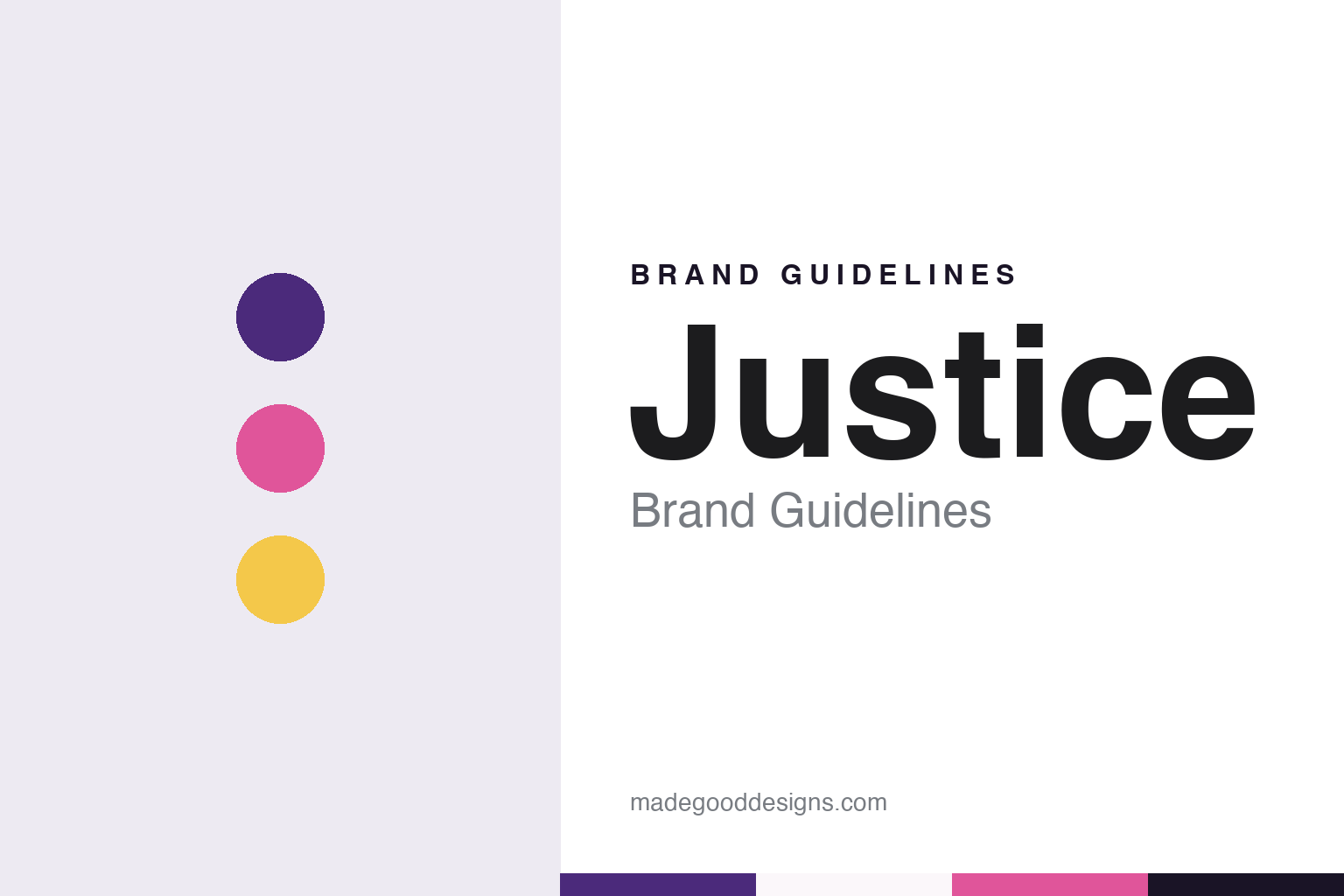
Powell Flutes lives in a silver-blue palette. Click a swatch to copy the hex.
Powell’s identity is precise, American and layered — a silver blue, an ink, a steel, a deep steel, and a paper. The palette leans silver blue and steel: the register of a silver flute and a brushed-metal bench. It signals precision and a cool metal craft. The honest caveat: with no published brand hex, these values are an original, unofficial interpretation, not first-party colours.
The lesson is a silver-blue palette signals a hand-made, precision-flute identity. Powell’s world is a precise, silver, American object. For designers, it is a reminder that a cool silver blue and a pale steel can carry a house built on precious-metal flutes — the blue-grey of silver and the sheen of a polished tube. Because these tones can fail as small text, keep type dark and let the colour live in the accents, palette and band. The takeaways: hand-build the flagship at home; be honest that the budget body is overseas; name the group owner; and treat any single hex as unofficial.
Typography
The register is a studio sans — precise, clean, made.
Powell’s identity carries a precise, clean, made spirit — a hand-craft flute house, not a fashion label. A studio sans captures the mood: even, exact and modern, the register of a New England workshop. Set in a silver-blue palette, the studio sans feels precise and clean — exactly the personality Powell carries. It is a hand-craft workshop inside a group rather than a marketing wall, mirroring a hand-made flute. (Powell’s real logo, its Sonaré wordmark and any keywork are things we describe but do not reproduce, and the exact typeface is not ours to use.) Because it is not ours to use, the honest description is “a studio-sans spirit,” shown here in a stand-in. The type behaves like the house: precise, clean and made.
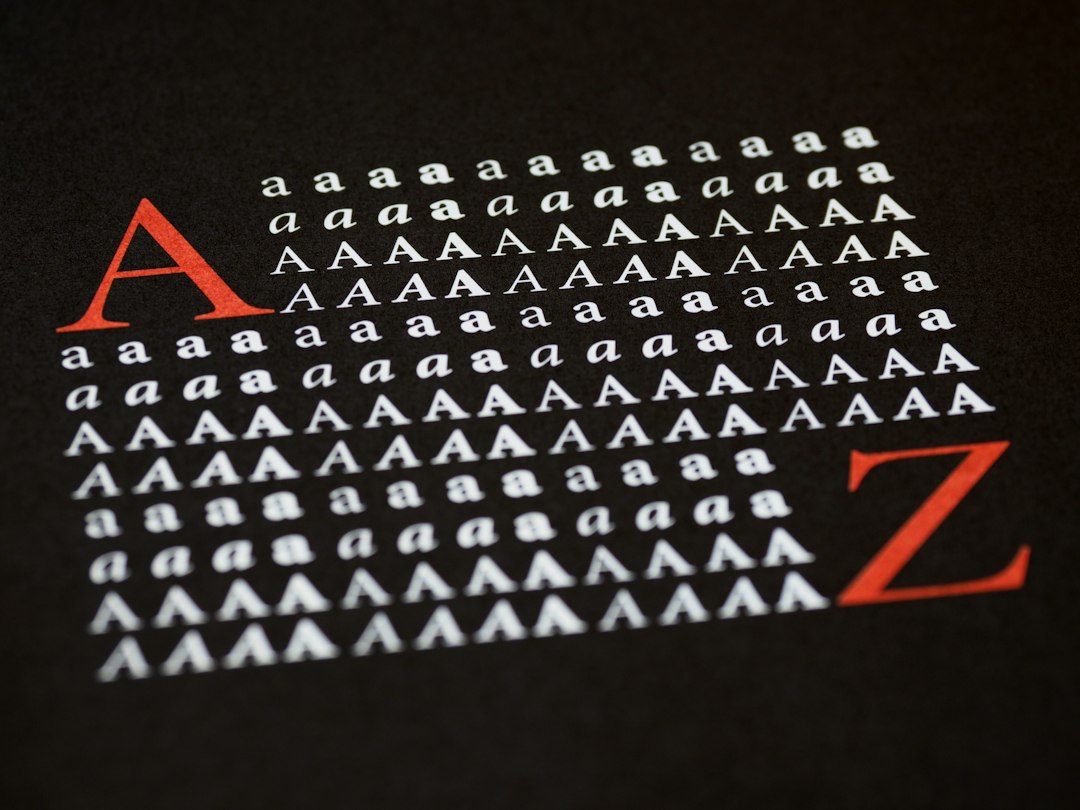
Aa
A studio-sans spirit — precise and clean. (Specimen set in Libre Franklin, a studio-sans STAND-IN; NOT the Powell Flutes logo or keywork.)
The instrument makers
Powell Flutes stands for the hand-made American flute inside a group.
Powell Flutes closes the round by carrying both of its threads at once: an American hand-made flagship, and a group owner with an overseas budget line. A silver-blue palette, a studio sans and a hand-made flute make one thing — the Boston flute house — the whole identity: precise, American and layered. The Massachusetts hand-craft is the differentiator, and the honest where-made and ownership are the meaning. The point is a house that hand-builds fine flutes in New England, puts a US-made headjoint even on its budget line, and sits — like the brass house before it — inside the Buffet Crampon group.
Put to work, the identity is hand-craft plus candour, honestly told, as design. A house in this spirit would hand-build the flagship at home, be plain that the budget body is made overseas, and name the owner — handmade flutes from Maynard, a Sonaré line with a US headjoint and an overseas body, a 2016 Buffet Crampon acquisition. A brand learning from it would see that a hand-made flagship plus honesty about the rest is a durable identity — that a flute hand-built in Massachusetts, whose maker says plainly where the budget body comes from and who owns the firm, earns a trust a vague “American-made” cannot — and that being precise, founded 1927 by Verne Q. Powell, handmade in Maynard, Sonaré body overseas, owned by Buffet Crampon since 2016, keeps the story honest. Powell is the round’s closing synthesis: it is at once a still-hand-making American house and a group-owned brand with a two-tier supply chain — the family-craft pole and the ownership-and-where-made pole in one company. And it quietly ties the round shut: Powell and the brass house share the same group owner, proof that the same parent can sit behind a French brass name and an American flute name alike. There is discipline in the details: crediting the Cooper Scale rather than inventing a “Powell scale,” and declining to name the unverified overseas country for the Sonaré body, is what keeps the account honest. The lesson Powell teaches is that hand-craft and candour can hold an identity together: the Massachusetts making gives it substance, and the honesty about the budget line and the owner keeps it credible. The hand-craft is the personality, and the honestly-labelled flute is the proof.
For designers and brand-builders, Powell Flutes closes the instrument makers, from the USA: hand-build the flagship, and be honest about the owner and the budget line. The lessons: make the flagship by hand at home; say where the budget body is made; name the group owner; credit shared innovations correctly; and never reproduce a logo or keywork. It is also a reminder to stay precise: Powell Flutes is the American flute maker founded in Boston in 1927, hand-building its professional flutes in Massachusetts, now a Buffet Crampon brand with an overseas-bodied budget line — with the palette here an unofficial interpretation. Powell Flutes made hand-craft-and-candour the identity — proof that a hand-made flute, honestly located and owned, can be the difference.
Explore & save
Keep Powell Flutes’s identity on hand — save it to a board in the Made Good inspiration library.
Powell Flutes identity set
Pin the silver-blue palette and the studio-sans register to your own board.