Shades of Ruby: Names and Hex Codes
There are many recognized shades of ruby, from the bright pinkish jewel-red classic to deep garnets and crimson-leaning wine reds. Below is a practitioner reference: each shade with its name, hex code, RGB value, and a note on where it works best. Use it as a swatch library when building a palette, and pair it with our guide to color psychology when you need the symbolism behind the swatch.
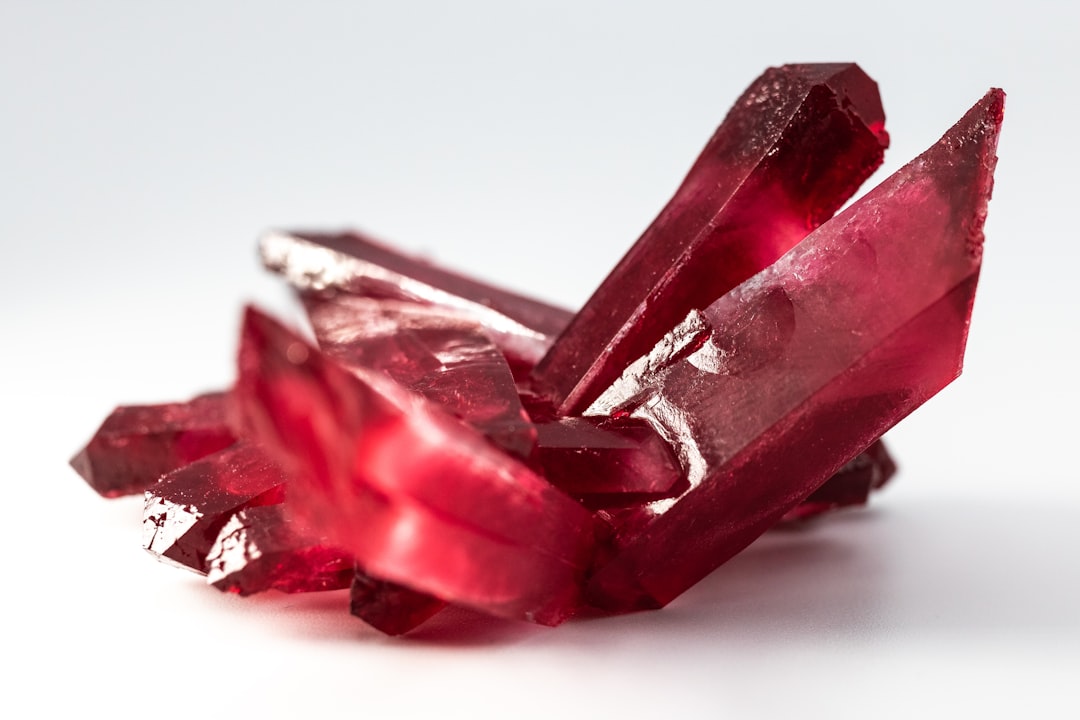
A quick note on terminology, because ruby sits in a crowded jewel-red zone. Ruby — commonly cited as #E0115F — is a vivid red with a distinct pink-magenta undertone, named after the gemstone. It is frequently confused with crimson (more orange-red) and garnet (browner, more muted). If you need those distinctions, see our reference on shades of crimson and our comparison of garnet vs ruby. Throughout this guide, “shades of ruby” covers every named variation in that rich, gemstone-inspired red family.
Each entry below gives three values so you can use it anywhere: the hex code (for CSS, HTML, and most design tools), the RGB triplet (for screen-based tools that ask for red, green, and blue channels separately), and a short note on the mood and best use of that shade. If you need CMYK or a Pantone match for print, convert from the hex value in your design software, and always proof — saturated reds shift noticeably between screen and press.
Classic rubies
These are the core rubies most people picture — bright, pink-tinged jewel reds used in luxury, beauty, and statement branding.
| Shade name | Hex | RGB | Notes / use |
|---|---|---|---|
| Ruby | #E0115F | 224, 17, 95 | Vivid pink-red jewel tone; bold, glamorous. |
| Bright Ruby | #CC1057 | 204, 16, 87 | Slightly deeper jewel red; confident, rich. |
| Vivid Ruby | #D10056 | 209, 0, 86 | Saturated magenta-red; energetic, modern. |
| Rose Ruby | #C21E56 | 194, 30, 86 | Warm pink-red; romantic, lively. |
| Royal Ruby | #AA0050 | 170, 0, 80 | Deep jewel red; regal, premium. |
| Cardinal Ruby | #E32636 | 227, 38, 54 | Brighter true red; vivid, bold. |
Deep and true-red rubies
The richer, less pink rubies — the “ruby red” most people name when they picture a dark, glowing gem.
| Shade name | Hex | RGB | Notes / use |
|---|---|---|---|
| Ruby Red | #9B111E | 155, 17, 30 | Classic deep gem red; luxurious, warm. |
| Crimson Ruby | #990024 | 153, 0, 36 | Deep crimson-leaning ruby; dramatic, rich. |
| Barn Ruby | #7C0A02 | 124, 10, 2 | Dark blood red; intense, earthy. |
| Burgundy Ruby | #6E0B14 | 110, 11, 20 | Wine-tinged dark ruby; refined, premium. |
| Deep Garnet Ruby | #5C0511 | 92, 5, 17 | Near-black gem red; moody, luxurious. |
| Deep Ruby | #843F5B | 132, 63, 91 | Muted plum-ruby; sophisticated, soft. |
Garnet-toned rubies
Browner and more muted, these garnet-family reds feel antique and grounded — the warmest members of the ruby family.
| Shade name | Hex | RGB | Notes / use |
|---|---|---|---|
| Garnet | #733635 | 115, 54, 53 | Muted brown-red gem; antique, warm. |
| Brick Garnet | #9A2A2A | 154, 42, 42 | Warm earthy red; grounded, classic. |
| Dark Garnet | #5E1914 | 94, 25, 20 | Deep brick-brown red; rich, vintage. |
| Rosewood Ruby | #86443F | 134, 68, 63 | Soft dusty red-brown; editorial, muted. |
| Russet Garnet | #7B3F00 | 123, 63, 0 | Warm brown-red; rustic, autumnal. |
| Taupe Garnet | #674846 | 103, 72, 70 | Dusty muted red-brown; subtle, refined. |
Pink-leaning rubies
Cooler, brighter rubies that tip toward magenta and fuchsia — the most modern and high-energy of the family.
| Shade name | Hex | RGB | Notes / use |
|---|---|---|---|
| Ruby Fuchsia | #D02090 | 208, 32, 144 | Bright magenta-ruby; vivid, playful. |
| Ruby Violet | #C71585 | 199, 21, 133 | Cool pink-purple ruby; modern, bold. |
| Ruby Rose | #E75480 | 231, 84, 128 | Soft bright pink-red; romantic, fresh. |
| Raspberry Ruby | #B3446C | 179, 68, 108 | Muted berry-pink ruby; rich, refined. |
| Amaranth Ruby | #AB274F | 171, 39, 79 | Deep rose-red; vivid, contemporary. |
| Fire Ruby | #CE2029 | 206, 32, 41 | Bright warm red; energetic, striking. |
What are the most popular shades of ruby?
The most-used named rubies in design are ruby (#E0115F), ruby red (#9B111E), deep ruby (#843F5B), garnet (#733635), and crimson ruby (#990024). Bright ruby dominates beauty, luxury, and statement branding; ruby red brings classic gem richness; garnet adds antique warmth; and crimson ruby pushes toward deep, dramatic wine reds. Pink-leaning rubies feel modern and energetic, while deeper rubies project heritage and prestige.
Ruby’s appeal is that it reads as the most precious member of the red family — it carries red’s warmth and passion but adds the glamour and rarity of a gemstone. That makes it a favorite for jewelry, cosmetics, luxury packaging, and anything that wants to signal value and desire. Because it sits between true red, crimson, and magenta, ruby flexes from warm and traditional to cool and high-fashion. Choosing a ruby is really choosing how pink, how deep, or how brown you want that gem-red to lean.
Unlike crimson, ruby is not a fixed CSS named color, which is the single most useful thing to know when specifying it. The “ruby” in one brand guide may sit a shade pinker or deeper than another’s, and tools will not autocomplete it the way they do crimson or maroon. The values in the tables above — ruby at #E0115F, ruby red at #9B111E, garnet at #733635 — are the widely cited references, but always pin the exact hex in your documentation. This matters doubly in beauty and packaging, where ruby is often realized in foil, lacquer, or pigment, and small hue shifts read as completely different colors under store lighting.
How to use shades of ruby in design
Ruby is a high-impact accent and statement color that signals glamour and value. Pair bright ruby with black, white, and gold for instant luxury, or with blush and rose gold for a softer, modern beauty palette. Deeper ruby red and garnet make confident anchor colors for heritage and editorial identities.
Practical guidance: ruby’s near-complement is a deep teal or emerald green, which gives a jewel-box contrast — a reliable luxury pairing. For type, ruby red at #9B111E stays readable on light backgrounds, while bright ruby works best as an accent rather than body text. To keep ruby from feeling loud, balance it with neutral grays, cream, and plenty of negative space. Ruby also pairs beautifully with its deeper cousins; see our reference on shades of crimson, and explore the wine-red family in shades of burgundy.
Frequently Asked Questions
What is the hex code for ruby?
Ruby is most commonly cited as #E0115F, which is RGB 224, 17, 95 — a vivid red with a strong pink-magenta undertone, named after the gemstone. Unlike crimson, ruby is not a fixed CSS named color, so several close hex values are used; #E0115F is the widely accepted reference.
What is the difference between ruby and garnet?
Ruby (#E0115F) is a bright, pink-leaning jewel red, while garnet (#733635) is a muted, browner, more grounded red. Ruby feels glamorous and vivid; garnet feels antique and earthy. See our full garnet vs ruby comparison for examples and palette ideas.
What is the difference between ruby and crimson?
Ruby (#E0115F) leans pink and magenta, while crimson is a slightly more orange-tinged true red. Ruby reads as a precious gemstone tone; crimson reads as a bold, classic red. Both are deep and saturated, but ruby carries more pink and crimson more warmth.
Which shade of ruby is best for a brand?
For luxury and beauty, bright ruby (#E0115F) conveys glamour and value. For heritage or editorial identities, ruby red (#9B111E) or garnet (#733635) feel richer and more grounded. Choose by how vivid and modern versus how deep and traditional you want the identity to feel.
What colors go well with ruby?
Ruby pairs beautifully with black, white, and gold for luxury, and with deep teal or emerald — its near-complement — for a jewel-box contrast. Blush pink and rose gold soften it for beauty palettes, while charcoal and cream keep it elegant and editorial.