Beardbrand Brand Guidelines
Beard care built content-first — grooming for the “urban beardsman.”
Aa
Two constants: a amber-and-charcoal palette and a condensed sans. Abstract homage — not the Beardbrand wordmark or logo.
Grooming for the bearded
Beardbrand built a community, then a brand.
Beardbrand is a lesson in content and community before product. It was founded in 2012 by Eric Bandholz (a former financial advisor who left a “no facial hair” corporate world) with co-founders Lindsey Reinders and Jeremy McGee, after they met at a Startup Weekend in Spokane, Washington. It later moved to Austin, Texas. Crucially, it began as a blog, online magazine (“Urban Beardsman”) and YouTube channel — a community and content brand first, and a products company second.
Its identity is the “urban beardsman” — a professional, style-conscious bearded man — and Beardbrand helped drive the whole bearded-lifestyle movement of the 2010s through grooming tutorials and content rather than traditional ads. Its products followed: beard oil, beard softener, utility balm, sea salt spray, styling balm and scent collections such as Old Money, Tree Ranger and Temple Smoke.
Beardbrand is also a notable bootstrapping story. It appeared on Shark Tank in 2014, asking for $400,000 — and every shark passed, making no offer; the company stayed bootstrapped and grew anyway, with the exposure driving a sales spike. (Honest notes: there were three co-founders (Bandholz, Reinders, McGee), not Bandholz alone; it began as content/community, then products; the Shark Tank appearance was in 2014, not 2015, and all the sharks passed — the common “turned down a Herjavec offer” story is false, as no offer was made; and no official brand hex is published.)
Colour
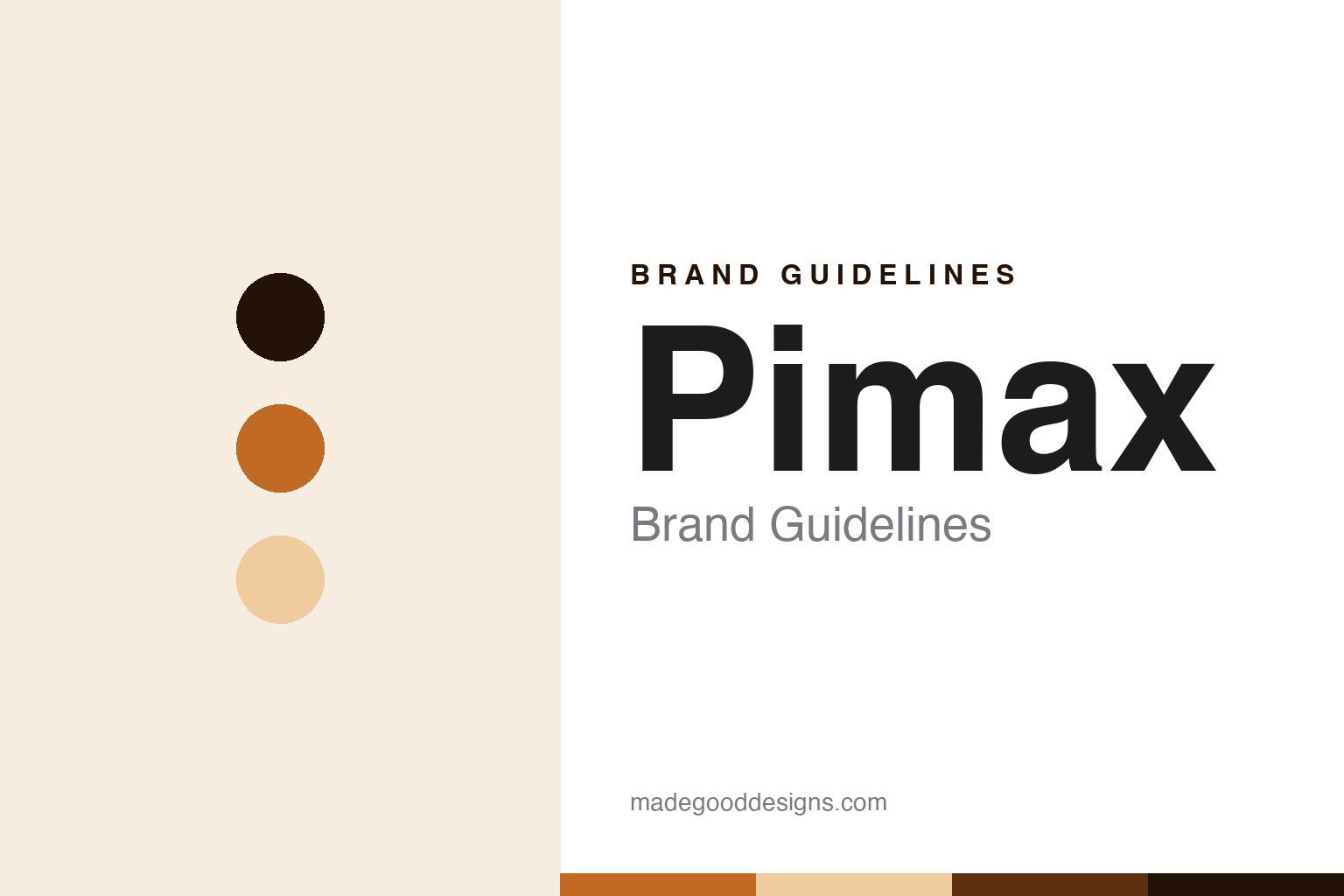
Beardbrand lives in an amber-and-charcoal palette. Click a swatch to copy the hex.
Beardbrand’s identity is rugged, earthy and warm — a charcoal black, an espresso brown, an amber orange, a warm ochre, and a soft bone. The palette reads like its world: leather, wood, and the warm amber of beard oil, masculine and grounded rather than clinical. It signals a rugged-but-considered grooming lifestyle, the “urban beardsman” made visible. The honest caveat: with no published brand hex, these tones are an original, unofficial interpretation, not first-party values.
The lesson is an amber-and-charcoal palette signals rugged, earthy grooming. Beardbrand’s world reads as warm and masculine. For designers, it is a reminder that earthy darks (charcoal, espresso) with a warm amber accent convey a rugged lifestyle brand, matching content-first beard care. The takeaways: use earthy darks with a warm amber accent for rugged warmth; let the product’s materials (oils, wood) lead; and treat any single hex as unofficial when there is no published spec.
Typography
The wordmark spirit is a condensed sans — bold and rugged.
Beardbrand’s identity carries a bold, rugged, confident spirit — a “Beardbrand” wordmark whose strong forms match a masculine lifestyle brand. A condensed sans captures the mood: it is bold and grounded, the register of a rugged grooming brand rather than delicate luxury. Set against an amber-and-charcoal palette, the condensed sans feels strong and earthy — exactly the urban-beardsman personality Beardbrand carries. It is bold rather than dainty, mirroring products made for a considered, bearded lifestyle. (Beardbrand’s real wordmark is a trademark we describe but do not reproduce, and the exact typeface is not something we assert.) Because the specific mark is not ours to use, the honest description is “a condensed sans spirit,” not the Beardbrand logo. The type behaves like the brand: bold, rugged and confident.
Aa
A condensed sans spirit — bold and rugged. (Specimen set in Oswald, a condensed sans; NOT the Beardbrand logo, which is a trademark.)
Content-first as the difference
Beardbrand stands for community.
Beardbrand is a lesson in building an audience before a product. Rather than launch products and buy ads, it built a community and a content engine — the “Urban Beardsman” magazine, a popular YouTube channel, grooming tutorials — so that when products arrived, there was already a devoted, trusting audience. That content-first, bootstrapped approach let a tiny team ride and shape the 2010s beard movement without outside investment, and even turn a Shark Tank rejection into a growth moment. The audience was the asset, and the brand served it.
For designers and brand-builders, Beardbrand offers a clear takeaway: an owned audience can be worth more than an ad budget. The lessons: build community and useful content first so products land in a warm market; commit to a clear identity (the “urban beardsman”) that customers see themselves in; and stay lean enough to grow on your own terms. It is also a reminder to keep the facts honest: Beardbrand was founded in 2012 by three co-founders, began as content and community, and stayed bootstrapped after all the sharks passed on Shark Tank in 2014 — with the palette here an unofficial interpretation. Beardbrand built the audience first — proof that content can be the difference.
Explore & save
Keep Beardbrand’s identity on hand — save it to a board in the Made Good inspiration library.
Beardbrand identity set
Pin the amber-and-charcoal palette and the condensed-sans spirit to your own board.