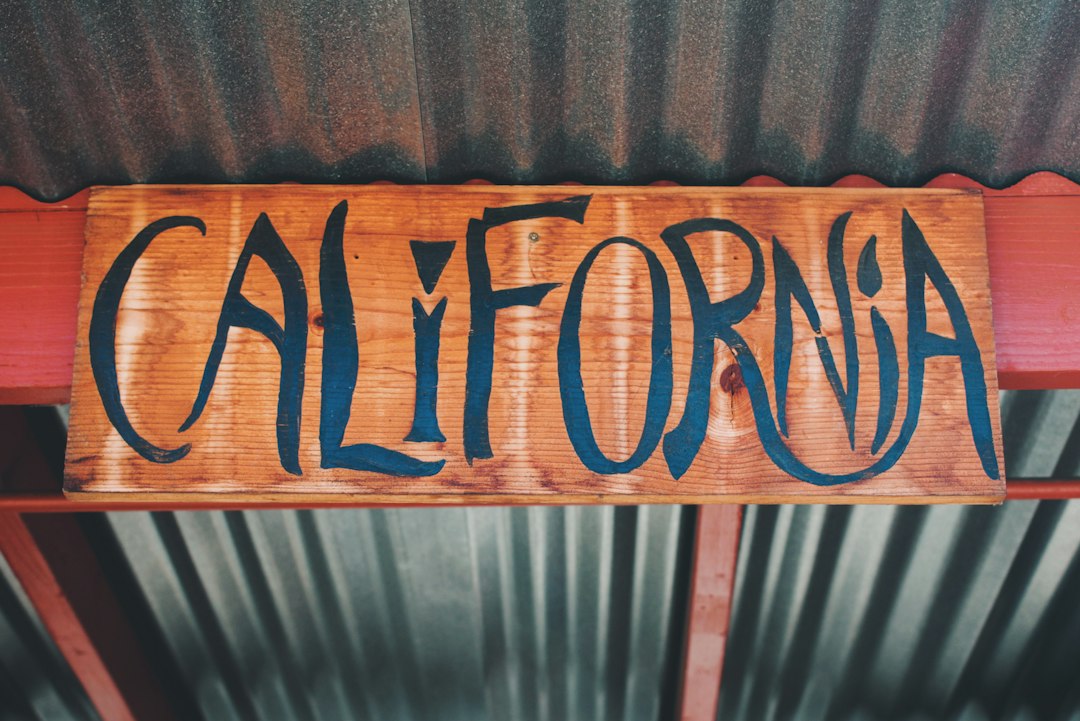
Chelsea Market font pairings work best when the partner stays quiet and lets the personality of the display font do the talking. Chelsea Market is a single-style display font from Tart Workshop, a type studio, and it joined Google Fonts in 2012. Its Google Fonts description sets the scene with a picnic on the High Line, treats from the market and people-watching from a cosy blanket in the middle of the city, and it promises a “quirky bohemian feel”. That mood comes through in letters that look drawn by hand, with a lively, slightly irregular rhythm. It is a natural fit for cafes, bakeries, farmers’ markets, food trucks, craft fairs, picnic events, children’s activities and small shops with a homemade spirit. The challenge is restraint: one or two lines of Chelsea Market feel charming, while a whole page of it quickly feels crowded.
Is Chelsea Market a heading or body font?
Chelsea Market is a heading font. Its decorative letters are designed to be noticed, so use it for shop names, menu section titles, poster headlines, product labels, chalkboard-style signs, event banners and the odd short tagline. On a website it works for the hero title and a few section headings. Body text, prices in long lists, ingredient descriptions, opening hours and anything a reader has to scan quickly belong in a plainer partner font. As a rule of thumb, if a line runs past about six or seven words, or sits below roughly 20px on screen, switch to the partner. Chelsea Market has generous, open shapes, so it also needs a little more space around it than a plain sans heading would.
Chelsea Market weights, styles and licence
On Google Fonts, Chelsea Market comes in one style: Regular (400). There is no bold, no italic and no variable axis, so build hierarchy with size, colour and spacing, and let the partner font provide bold and italic text. Do not apply bold in CSS to the headings, because browsers would fake a heavier version and blur its hand-drawn details. The font covers Latin and Latin Extended characters, which handles English and most Western and Central European languages. The upstream project notes that no editable source of the family was ever published: the font files Google Fonts ships were its only form, and sources were later rebuilt from those files. That does not change how you use it. Chelsea Market is licensed under the SIL Open Font License, which in plain words lets you use it free in personal and commercial work, including menus, signs, packaging, websites, apps and merchandise, embed or self-host it, and modify it, as long as you do not sell the font files on their own and keep any modified version under the same licence.
Best fonts to pair with Chelsea Market
Every partner below is a free Google Font, and Chelsea Market takes the headings in every pairing.
| Pairing | Use as | Why it works |
|---|---|---|
| Chelsea Market + Nunito | Heading + Body | Nunito has rounded stroke ends that soften the page and match the friendly, homemade mood of the quirky headings. |
| Chelsea Market + Lora | Heading + Body | Lora is a warm book serif with gentle curves, giving menus and stories a cosy, slightly old-fashioned reading voice. |
| Chelsea Market + Karla | Heading + Body | Karla is a compact grotesque with a little character, keeping product lists and opening hours tidy below playful titles. |
| Chelsea Market + Quicksand | Heading + Body | Quicksand is a light, rounded geometric sans that keeps children’s pages and party invitations bright and easy to read. |
| Chelsea Market + Merriweather | Heading + Body | Merriweather is a sturdy screen serif that grounds the decorative headings for blogs, recipes and longer written pages. |
Chelsea Market + Nunito (for cafes, bakeries and kids’ brands)
Nunito is a balanced sans with rounded terminals, and that softness makes it one of the easiest partners for Chelsea Market. Set the shop name and section headings in Chelsea Market, then use Nunito at 400 for descriptions and 700 for prices, buttons and highlights. Nunito comes in a wide range of weights plus italic styles, so it fills every role the display font cannot. Because both fonts feel friendly, the page stays relaxed rather than clashing, which suits cafes, bakeries, ice cream parlours, toy shops, nurseries and kids’ clubs. Keep the colour palette warm and simple so the headings carry the character. Our Nunito font pairings guide has more partners for it.
Chelsea Market + Lora (for menus, markets and food stories)
For a cosier, more storytelling feel, pair Chelsea Market with a serif. Lora is a book-style serif with brushed curves and moderate contrast, and it reads comfortably both on screen and in print. Use Chelsea Market for menu headings such as “Breakfast” or “From the oven”, then Lora at 400 for dish descriptions and its italic for ingredients, origins or the name of a local supplier. On a website the same split works for farm shop pages, market stall stories and recipe blogs that talk about where food comes from. The combination looks good printed on kraft paper and chalkboard backgrounds as well. See our Lora font pairings for other ways to use it.
Chelsea Market + Karla (for shops, stalls and event pages)
When the page holds a lot of practical information, such as product lists, ticket details, maps and opening hours, Karla keeps it orderly. It is a grotesque sans with slightly quirky details of its own, so it does not feel sterile next to the hand-lettered headings, but it is compact and clear at small sizes. Use Chelsea Market only for the event or shop name and two or three key headings, and set everything else in Karla, using 600 or 700 for labels. This split works well for craft fair listings, pop-up shop pages, street food festivals and online stores selling handmade goods. Our Karla font pairings guide covers more combinations.
How to pair fonts with Chelsea Market yourself
Start with the mood. Rounded sans partners like Nunito and Quicksand keep things light and playful; serifs like Lora and Merriweather make the page warmer and more traditional; neat grotesques like Karla make it more practical. Whatever you pick, choose a partner with a full set of weights and italics, because Chelsea Market only has one style. Keep the display font to short lines and generous sizes, and test it in the real place it will appear: a printed menu, a shop window or a phone screen. Check the language too, since Chelsea Market covers Latin scripts only. For another playful display font with Japanese support, compare our Cherry Bomb One font pairings, and for a code-friendly monospace in the same series see Anonymous Pro font pairings. Then try combinations in our font pairing generator.
Frequently Asked Questions
What font pairs best with Chelsea Market?
Nunito is the easiest all-round partner because its rounded shapes match the friendly headings. Lora and Merriweather add a warmer, bookish feel, while Karla and Quicksand keep practical information clear.
Is Chelsea Market free?
Yes. Chelsea Market is free on Google Fonts under the SIL Open Font License, which allows personal and commercial use, embedding, self-hosting and modification, as long as the font files are not sold on their own.
Does Chelsea Market have a bold weight?
No. Chelsea Market has a single Regular style with no bold or italic. Use size and colour for emphasis in headings, and take bold and italic from the partner font.
What is Chelsea Market good for?
It suits cafes, bakeries, markets, food trucks, craft fairs, children’s brands and picnic or summer events: anywhere you want a quirky, homemade headline voice.
Who designed Chelsea Market?
Chelsea Market was designed by Tart Workshop, a type studio. It was added to Google Fonts in 2012.