Coyote Clay & Color Brand Guidelines
Mica from Taos, glazes from Albuquerque.
Aa
Two constants: a Coyote-purple palette and a Southwest-serif register. Abstract homage — not a Coyote product or mark; no glaze, jar or logo is reproduced.
A potter’s glaze company
Coyote is the work of one founder, Martin Butt.
Coyote Clay & Color is the company of Martin Butt, an Albuquerque potter. A glaze retailer describes its range as “Developed by Martin Butt, director of Coyote Clay School & Studios,” and a pottery that visited in 2018 wrote that “Owner and founder Martin Butt showed us the ropes.” We could not find a founding year; the earliest archived copy of its website dates from February 2001, so the business existed by then.
Its address is on Edith Boulevard in north-east Albuquerque — at a slightly different street number from the one its 2006 website gave — and it still runs a school there: six-week classes at $230 and studio rental at $200 a month, its website says. Its early archived pages show a pottery community as much as a company — an anagama wood-firing workshop near Madrid, New Mexico, run with the potter Scott Rutherford, and glaze contests run between 2010 and 2015.
In 2006 its website described the business in one sentence: “Coyote Clay & Color manufactures a line of unique and beautiful cone six glazes, as well as hi-fire underglazes. We also produce a line of mid range stoneware clays and our unusual sparkling micaceous clays.” The name promised both — clay and colour — and for some years it delivered both, before narrowing to the colour side of the business.
Colour
Mica from Taos, pumice from the Jemez.
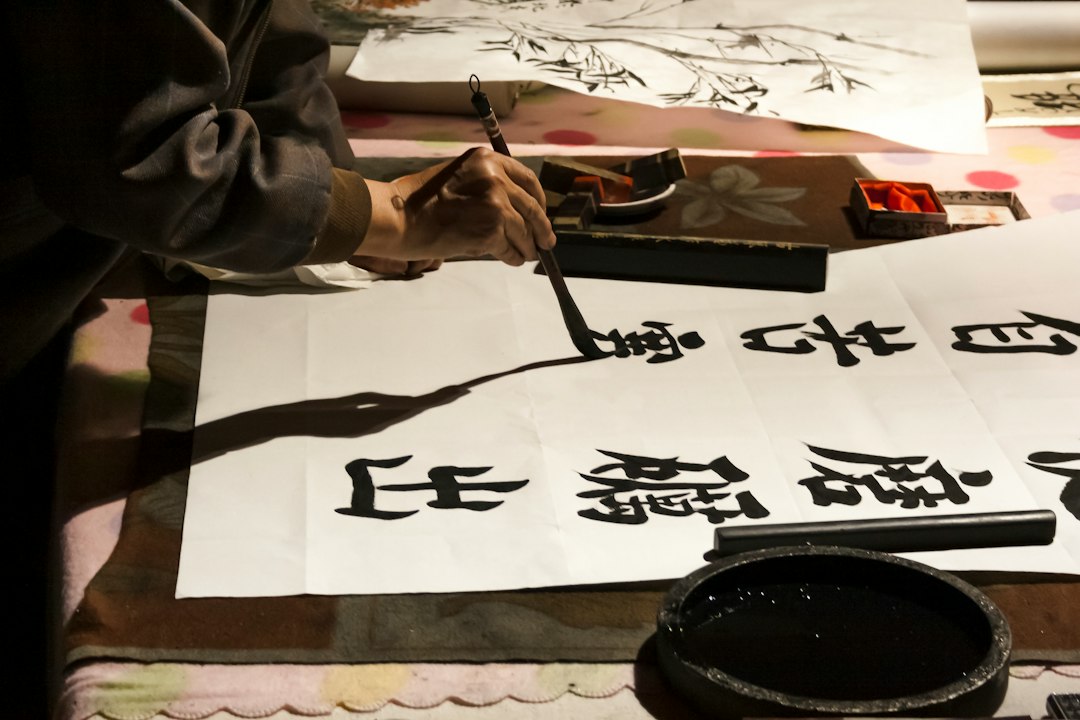
Coyote’s most distinctive product was a local one. Its 2006 clay page described “Coyote Clay #5 (Orange) Our original mica clay. Inspired by the micaceous pottery of Northern New Mexico, this clay contains a high percentage of mica from the Taos area, as well as pumice from the Jemez.” It listed a #4 Red Mica too, alongside stoneware bodies with names such as B-mix 5, JM6, JM5X, Appaloosa, Annie’s Mix and WS5, and a range of cone 10 bodies.
That is a rare thing in this round: a clay whose ingredients are named down to a valley. Micaceous pottery — clay with flecks of mica that glitter after firing — has long been made by potters in northern New Mexico, and Coyote’s clay borrowed that regional tradition and its raw materials. Its current website lists glazes and underglazes only, and we describe the clays as part of its history rather than its present range.
Today the company is a glaze maker. Its galleries show families such as “Shino,” “Texas Two-Step,” “Oilspots” and “Slow Cooled Glazes,” and a 2026 “Fantasy” series of twelve glazes with names like Basilisk Hide, Burning Embers, Direwolf, Mermaid Cove, Pixie Wings and Volcanic Lair. A visiting pottery from elsewhere described the glazes in 2018 as “made in 50kg batches, individually tested, and hand poured into pints.”
Typography
Where the materials come from — and what’s in the jar.
Coyote’s safety page is unusually full. “Coyote Glazes and Underglazes are evaluated by an independent toxicologist. None of our recipes use lead and all are non-toxic in the liquid state,” it says, and “All of our glazes are lead free, most are cadmium free.” For the red and orange glazes that do use cadmium — Really Red and Sedona Sunset among them — it says “in our testing, all of these glazes passed FDA guidelines in leaching tests,” and names the testing laboratory. It marks crawl glazes and some mattes and crystals “not recommended for food use,” and carries a California Proposition 65 warning. Its labels, it says, follow the US art-materials standard ASTM D-4236, and it voluntarily adds stricter warnings. Those are its statements; it also tells potters to test their own ware. The approach is close to that of Mayco, which in September 2026 retired the words “Food Safe” from its own labels in favour of “Suitable for Dinnerware,” saying the finished pot is the potter’s responsibility.
Its raw materials, like everyone’s, come from mines. The US Geological Survey estimates American clay output at 26 million tonnes in 2025, from about 120 companies in 38 states, including about 990,000 tonnes of ball clay and 4.8 million tonnes of kaolin, 20 per cent of which went to ceramics. The USGS’s 2019 yearbook says ball clay came from five states, led by Tennessee, and that Georgia produced 92 per cent of American kaolin. Most potters never see the mines; Coyote’s mica clay put a named place — the Taos area — on the label instead.
The British Geological Survey explains why clay houses blend: blending “is very important as it reduces the natural variability of the clays.” A glaze house does the same with oxides, frits and stains, which is why Coyote’s batch testing is as much a part of its brand as its colours. The raw materials are cheap — the USGS puts ball clay at about $47 a tonne at the mine and kaolin at $170 in 2025 — so the value lies in the recipe, the testing and the safety review.
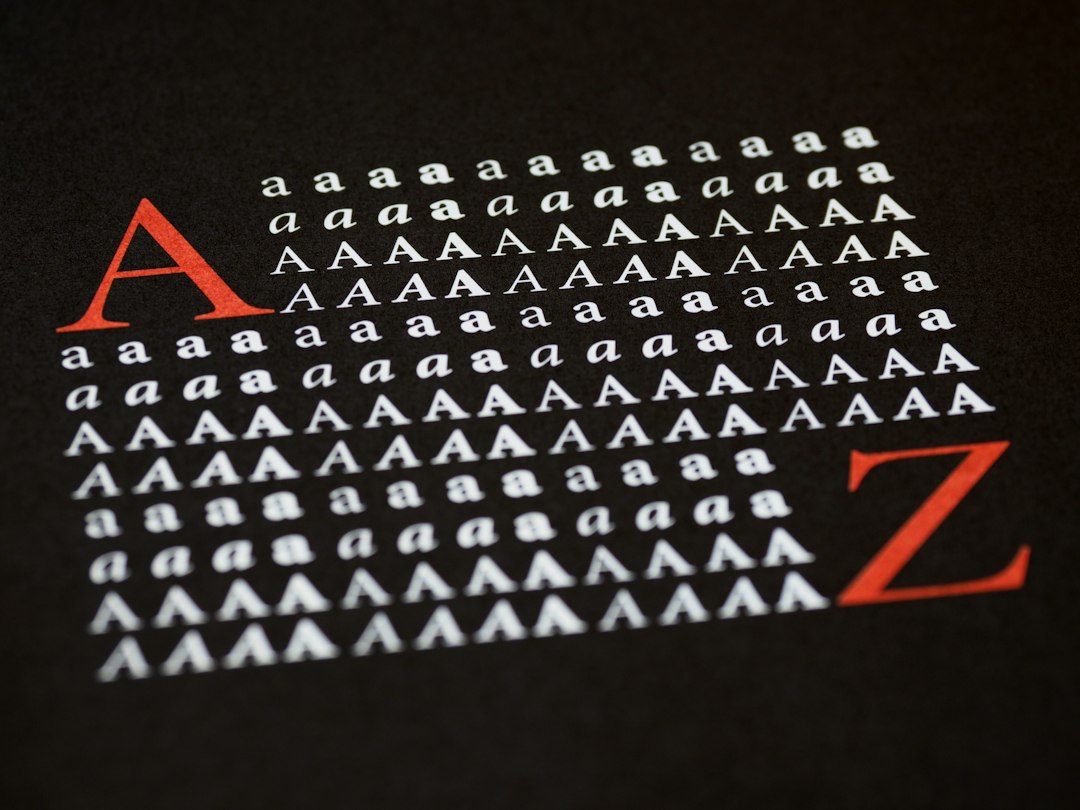
Aa
A Southwest serif — the white capitals of a purple band. (Specimen set in Fraunces, a serif STAND-IN; NOT the Coyote logo.)
Coyote
A desert animal, a purple band and a pot.
Coyote’s logo is a deep purple band with “COYOTE” in white serif capitals, “CLAY & COLOR” beneath in green with a red ampersand, all over the pale apricot silhouette of a pot. It is a Southwestern palette — desert evening, sage, clay — and a name that places the company in New Mexico before a buyer reads the address. Its website is plain, hand-built HTML; we found no tagline.
For a design guide, Coyote is a reminder that a small maker’s strongest brand assets can be a place and a person. The coyote, the Taos mica and Martin Butt’s name do more for the company than any slogan could. Its glaze names, from “Shino” to “Direwolf,” carry the rest. The move from traditional names to fantasy ones in its 2026 series is itself a branding choice, one that keeps a glaze house trading since at least 2001 sounding new. A buyer choosing between “Oilspot” and “Direwolf” is choosing between a technique and a story, and Coyote now sells both side by side.
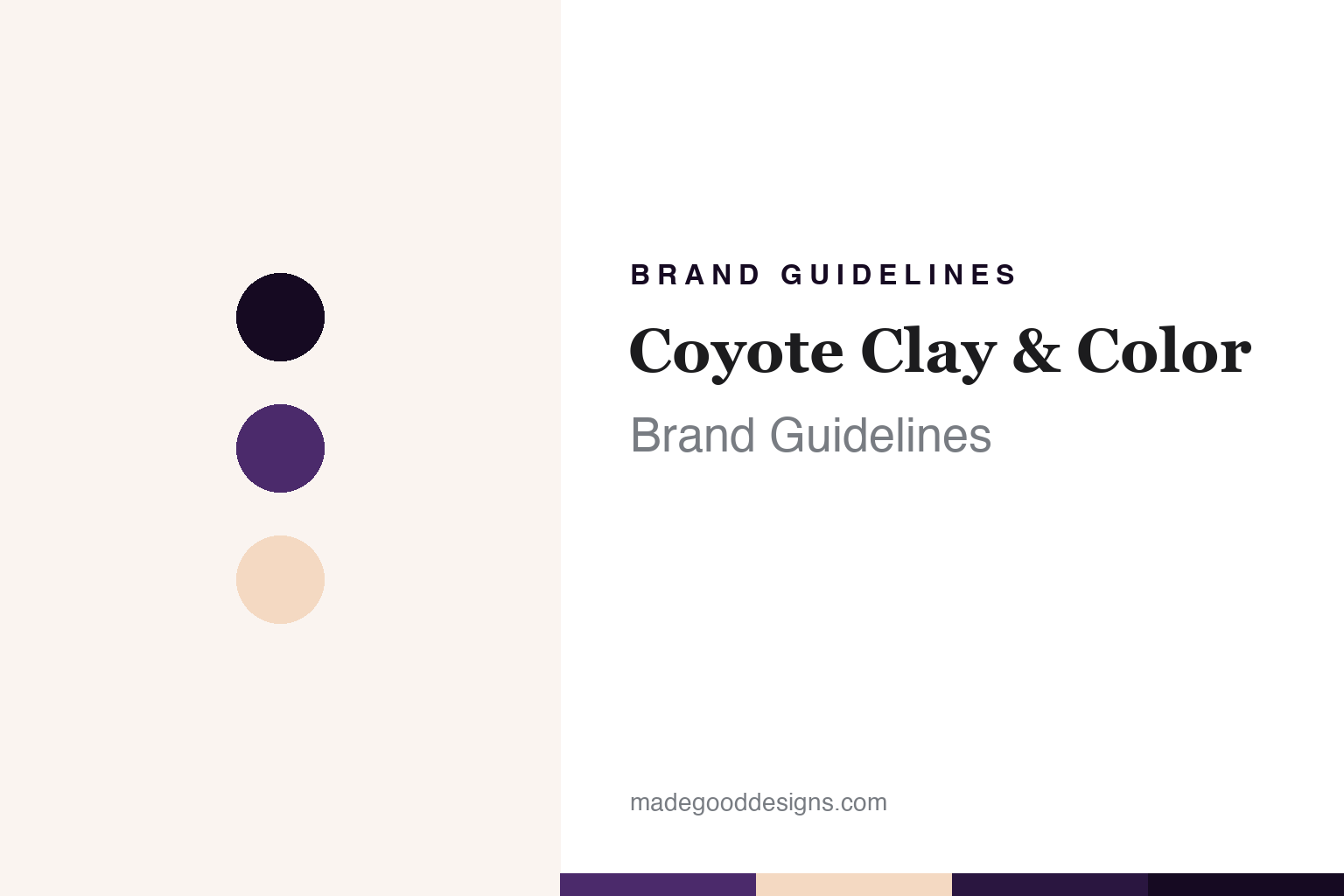
For this guide we use a purple and an apricot with a serif. These are an unofficial interpretation of the logo’s tones, and nothing of the Coyote logo is reproduced.
Explore & save
Keep Coyote Clay & Color’s identity on hand — save it to a board in the Made Good inspiration library.
Coyote identity set
Pin the Coyote-purple palette and the Southwest-serif register to your own board.