Mayser Brand Guidelines
The hat and the machine.
Aa
Two constants: a loden-green palette and an engineer-sans register. Abstract homage — not a Mayser hat, label or hatband.
The hat and the machine
Mayser is the German hat house founded in Ulm in 1800, now one division of a diversified industrial group, with hats designed in Lindenberg.
Mayser is a lesson in how a hat house can become an industrial group. Founded as a hatmaker in 1800, Mayser still makes felt and straw hats — but today those hats are one division of a diversified German company whose largest business is safety and sensor technology, alongside moulded foam. Its answer to how a hat is made a business is unusual: keep a two-century hat craft alive as one arm of a modern industrial group. A hat house that also makes safety sensors.
Its identity is the hat-and-industry house. Mayser’s felt and straw hats, made within a broader industrial group, are the work it is known for in headwear. A hat, alongside a machine. A house with two very different faces.
(Honest notes, so the story stays precise, with two corrections. First, origins: Mayser was founded in 1800 by Leonhard Mayser in Ulm — not in Lindenberg; the Allgäu hat town of Lindenberg came later, through a 1929 factory acquisition, and Lindenberg is today the headquarters, design and sales base. Second, where the hats are made: hat production moved from Lindenberg to Rožňava, in Slovakia, around 2002, and the brand today claims “100% production in Europe” rather than “made in Germany,” so we say “designed in Lindenberg, produced in Europe,” and never imply German manufacture. Mayser is a diversified industrial group — hats, foam technology and safety/sensor technology — in which the safety business is now the largest by revenue, so hats are a heritage minority of the company. Its felt and straw hats, including Panama styles, remain a real product. Its name and marks are its IP, described but never reproduced, and there is no official brand hex — these tones are an unofficial interpretation. This is design commentary and does not promote any product.)
Colour
Mayser lives in a loden-green palette. Click a swatch to copy the hex.
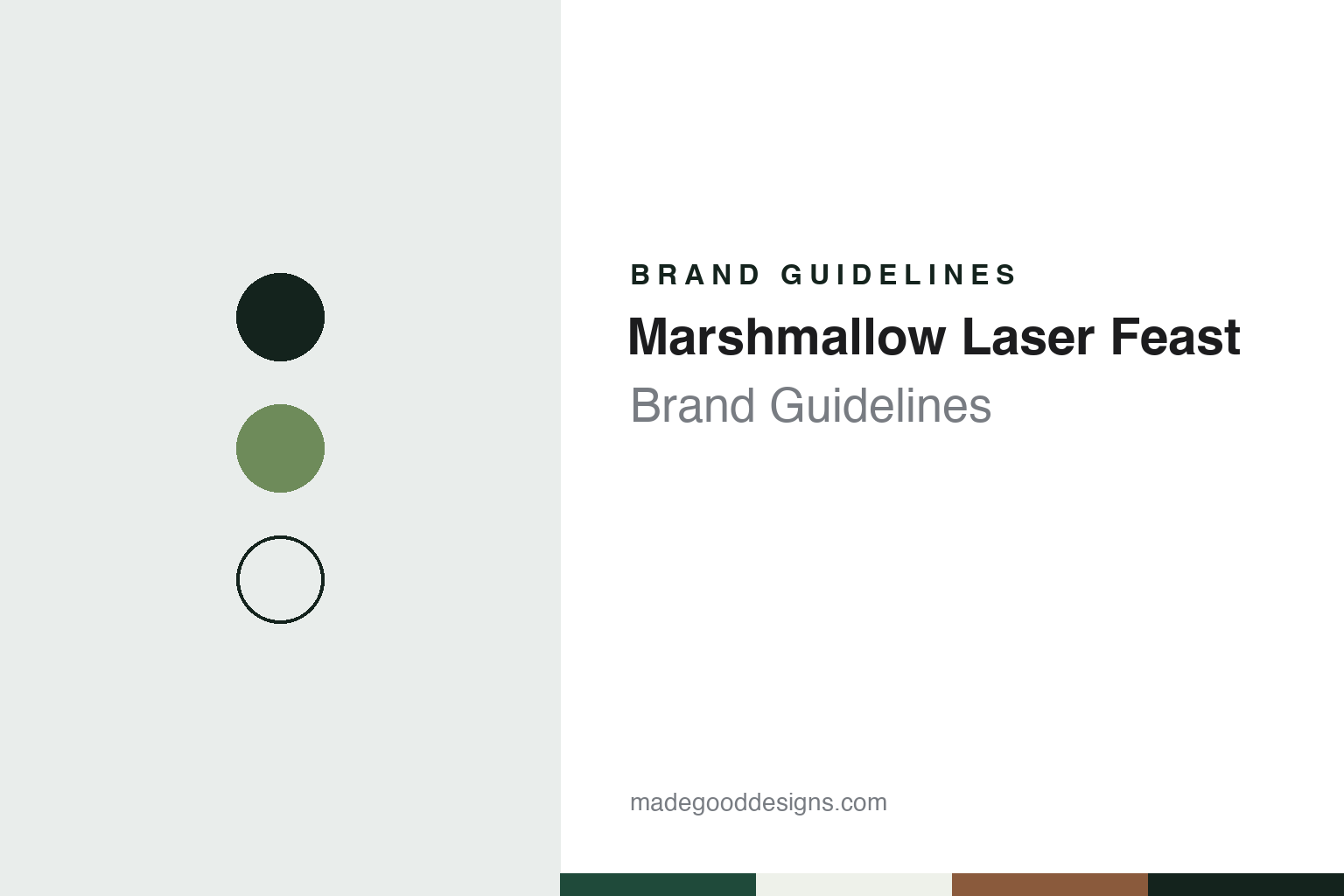
Mayser’s identity is heritage, technical and German — a loden green, an ink, a sage, a pine, and a paper. The palette leans loden green and sage: the register of an Alpine felt and a technical, engineered maker. It signals craft and industry together. The honest caveat: with no published brand hex, these values are an original, unofficial interpretation, not first-party colours.
The lesson is a loden-green palette signals a hat-and-industry identity. Mayser’s world is a heritage, technical, German-designed object. For designers, it is a reminder that a loden green and a soft sage can carry a brand that is both a hat house and an engineering group — the green of Alpine felt and the grey-green of a workshop. Because these tones can fail as small text, keep type dark and let the colour live in the accents, palette and band. The takeaways: keep the craft; run the industry; be honest about where the hats are made; and treat any single hex as unofficial.
Typography
The register is an engineer sans — precise, plain, capable.
Mayser’s identity carries a precise, plain, capable spirit — an industrial group with a hat heritage, not a pure milliner. An engineer sans captures the mood: even, technical and businesslike, the register of a company that makes both hats and sensors. Set in a loden-green palette, the engineer sans feels precise and capable — exactly the personality Mayser carries. It is technical rather than ornate, mirroring a dual craft-and-industry identity. (Mayser’s real labels and marks are things we describe but do not reproduce, and the exact typeface is not ours to use.) Because it is not ours to use, the honest description is “an engineer-sans spirit,” shown here in a stand-in. The type behaves like the house: precise, plain and capable.
Aa
An engineer-sans spirit — precise and capable. (Specimen set in Space Grotesk, an engineer-sans STAND-IN; NOT the Mayser wordmark or any label.)
The hat around the world
Mayser stands for the hat kept alive inside an industry.
Mayser is a lesson in how a heritage craft survives inside a modern company. A loden-green palette, an engineer sans and a felt hat make one thing — a two-century hat craft carried by a diversified group — the whole house: heritage, technical and German. The industrial diversification is the differentiator, and the surviving hat craft is the meaning. The point is a company that began as a hatmaker in 1800 and became an engineering group, keeping its hats alive as one arm rather than letting the craft die.
Put to work, the identity is diversification, honestly told, as design. A hat house in this spirit would keep a heritage craft going as part of a broader business, and be candid about the modern reality — a founding in Ulm not Lindenberg, hats made in Slovakia not Germany, safety tech now the bigger business. A brand learning from it would see that carrying a heritage craft inside a modern company is a legitimate identity — that a hat division kept alive by an industrial group is better than a lost craft — and that being precise, founded 1800 in Ulm, produced in Europe, hats a minority of the company, keeps the story honest. A brand learning from it would also resist the easy “made in Germany” claim: the honest “designed in Lindenberg, produced in Europe” is truer and, in the end, more trustworthy. The lesson Mayser teaches is that diversification can hold an identity: the industry gives it stability, and the honesty about the hats keeps it credible. The dual nature is the personality, and the felt hat is the proof.
For designers and brand-builders, Mayser holds the heritage-in-industry pole in this round of the hat around the world, from Germany: keep the craft alive, and be honest about where it is made. The lessons: carry the heritage; run the wider business; state the true founding and production; avoid an easy “made in” claim; and never reproduce a protected label. It is also a reminder to stay precise: Mayser is the German hat house founded in Ulm in 1800, now one division of a diversified industrial group, with hats designed in Lindenberg — with the palette here an unofficial interpretation. Mayser made craft-inside-industry the identity — proof that a heritage kept alive, honestly told, can be the difference.
Explore & save
Keep Mayser’s identity on hand — save it to a board in the Made Good inspiration library.
Mayser identity set
Pin the loden-green palette and the engineer-sans register to your own board.