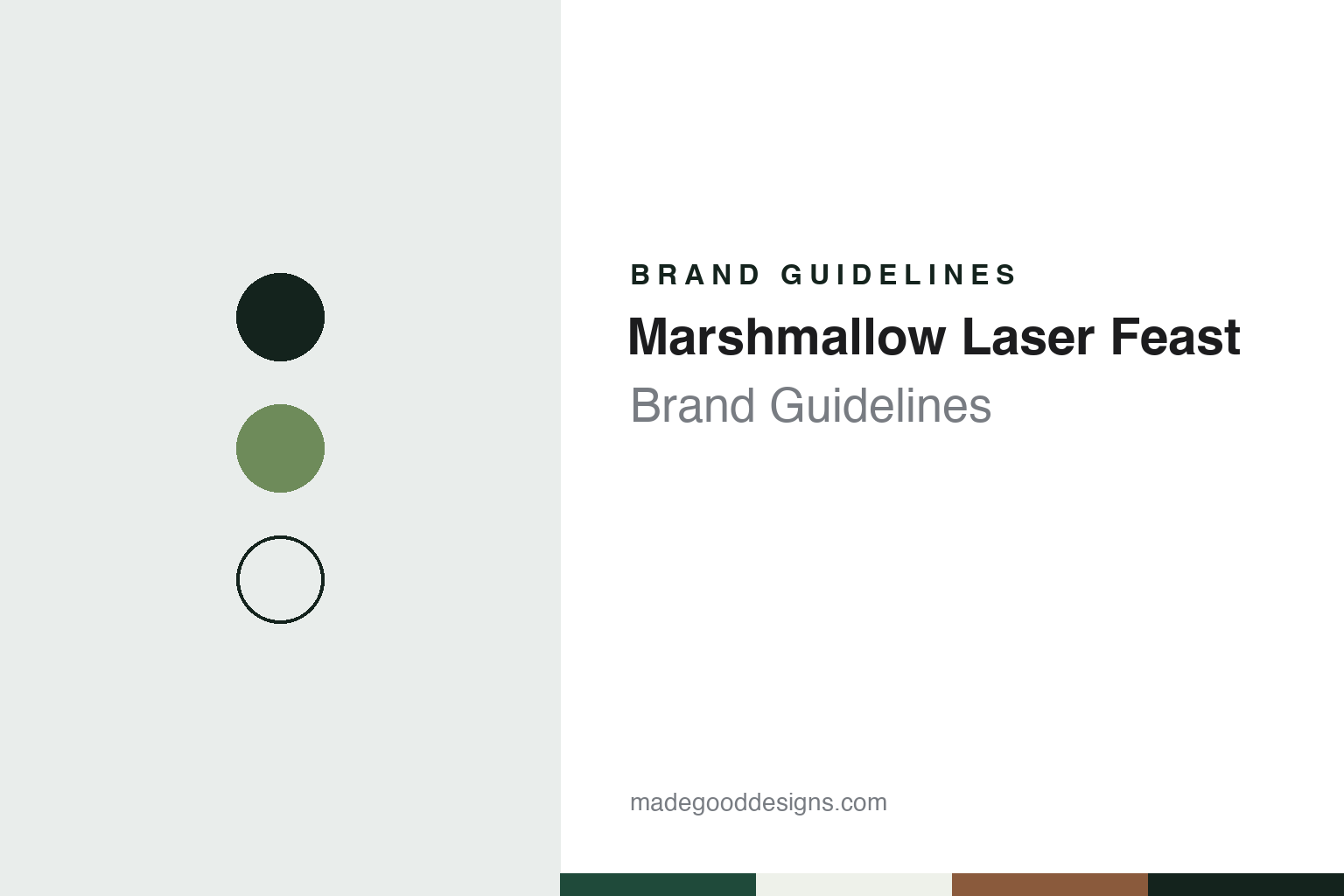
Rogue Territory Brand Guidelines
The Los Angeles jean maker.
Aa
Two constants: a faded-indigo palette and a workwear-sans register. Abstract homage — not a Rogue Territory jean, stitch or mark.
The Los Angeles jean maker
Rogue Territory is the Los Angeles workwear-denim maker founded in 2008 that cuts and sews its raw jeans in LA from Japanese selvedge denim.
Rogue Territory is Los Angeles’ jean maker. From LA, it cuts and sews raw selvedge jeans and workwear — impeccably fitted, subtly detailed, made in the city. Its answer to how a jean becomes a name is fit and making: start with bespoke denim, keep the sewing in LA, and let the cut do the talking. A raw jean, cut and sewn in Los Angeles.
Its identity is the Los Angeles jean maker. Rogue Territory’s made-in-LA raw jeans, its workwear detailing and its Supply Jacket are the work it is known for. A jean, made in the city. A maker that began by hand.
(Honest notes, so the story stays precise. Rogue Territory was founded in 2008 in Los Angeles by Karl Thoennessen, with co-founder Leslie Yeung — it began as a bespoke denim operation inside a denim bar, moving to ready-to-wear around 2009, so we credit both founders and the bespoke origin. On where it is made — the whole point of this round — Rogue Territory genuinely cuts and sews its jeans in Los Angeles today, a real, current made-in-LA story, with leather patches hand-branded at its own factory. On the cloth, its jeans use Japanese selvedge denim; its product copy does not consistently name a specific mill, so we say Japanese selvedge and name none we could not confirm. Its Sashiko line references a traditional Japanese stitching craft, which we keep abstract and do not present as the brand’s own invention. Karl Thoennessen is a living individual described only from public professional facts. Its name and marks are IP, described but never reproduced, and there is no official brand hex; these tones are an unofficial interpretation. This is design commentary and does not promote any product.)
Colour
Rogue Territory lives in a faded-indigo palette. Click a swatch to copy the hex.
Rogue Territory’s identity is workwear, Californian and precise — a faded indigo, an ink, a sky, a deep blue, and a paper. The palette leans faded indigo and sky: the register of a broken-in LA jean and a sunlit workshop. It signals fit and making over fashion. The honest caveat: with no published brand hex, these values are an original, unofficial interpretation, not first-party colours.
The lesson is a faded-indigo palette signals a workwear, made-in-LA identity. Rogue Territory’s world is a workwear, denim, Californian object. For designers, it is a reminder that a faded indigo and a soft sky can carry a maker built on fit — the blue of worn denim and the neutral of California light. Because these tones can fail as small text, keep type dark and let the colour live in the accents, palette and band. The takeaways: nail the fit; sew in the city; name the imported cloth; and treat any single hex as unofficial.
Typography
The register is a workwear sans — precise, plain, Californian.
Rogue Territory’s identity carries a precise, plain, Californian spirit — a workwear-denim maker, not a fashion label. A workwear sans captures the mood: even, considered and modern, the register of an LA jean maker. Set in a faded-indigo palette, the workwear sans feels precise and Californian — exactly the personality Rogue Territory carries. It is a cutting table in LA rather than a runway, mirroring a raw jean. (Rogue Territory’s real logo and marks are things we describe but do not reproduce, and the exact typeface is not ours to use.) Because it is not ours to use, the honest description is “a workwear-sans spirit,” shown here in a stand-in. The type behaves like the maker: precise, plain and Californian.
Aa
A workwear-sans spirit — precise and Californian. (Specimen set in Work Sans, a workwear-sans STAND-IN; NOT the Rogue Territory logo or any mark.)
Made at home
Rogue Territory stands for the jean cut and sewn in Los Angeles.
Rogue Territory is a lesson in how fit and home-making can be an identity. A faded-indigo palette, a workwear sans and a made-in-LA jean make one thing — the Los Angeles jean maker — the whole identity: workwear, Californian and precise. The made-in-LA sewing is the differentiator, and the bespoke-honed fit is the meaning. The point is a maker that began by hand, cutting bespoke jeans, and kept the sewing in Los Angeles as it grew.
Put to work, the identity is fit and home-making, honestly told, as design. A maker in this spirit would perfect the cut, sew in the city, and name the cloth — a 2008 LA founding, bespoke roots, made-in-LA cut and sew. A brand learning from it would see that a made-in-LA maker is a real identity — that a jean cut and sewn in Los Angeles from Japanese selvedge carries a value a fully offshore label cannot — and that being precise, founded 2008 by two partners, still cut and sewn in LA, denim woven in Japan, keeps the story honest. Rogue Territory is the American entry in a round where the pattern holds across countries: the sewing comes home, the cloth comes from Japan — the two homes of a jean, kept honest by naming both. There is a care point in the Sashiko line, too: referencing a traditional Japanese stitching craft while keeping the homage abstract, and not claiming it as an invention, is the respectful way to draw on another culture’s technique. The lesson Rogue Territory teaches is that fit and home-making can hold an identity: the LA sewing gives it authenticity, and the honesty about the Japanese cloth keeps it credible. The making is the personality, and the LA-sewn jean is the proof.
For designers and brand-builders, Rogue Territory holds the USA pole in made at home: perfect the fit, and sew in the city. The lessons: build from bespoke; keep the sewing home; name the Japanese cloth; reference other crafts respectfully; and never reproduce a logo. It is also a reminder to stay precise: Rogue Territory is the Los Angeles workwear-denim maker founded in 2008 that cuts and sews its raw jeans in LA from Japanese selvedge denim — with the palette here an unofficial interpretation. Rogue Territory made LA home-making the identity — proof that a jean cut and sewn in the city can be the difference.
Explore & save
Keep Rogue Territory’s identity on hand — save it to a board in the Made Good inspiration library.
Rogue Territory identity set
Pin the faded-indigo palette and the workwear-sans register to your own board.