Silver Spoon Brand Guidelines
British Sugar’s beet-sugar brand since 1972.
Aa
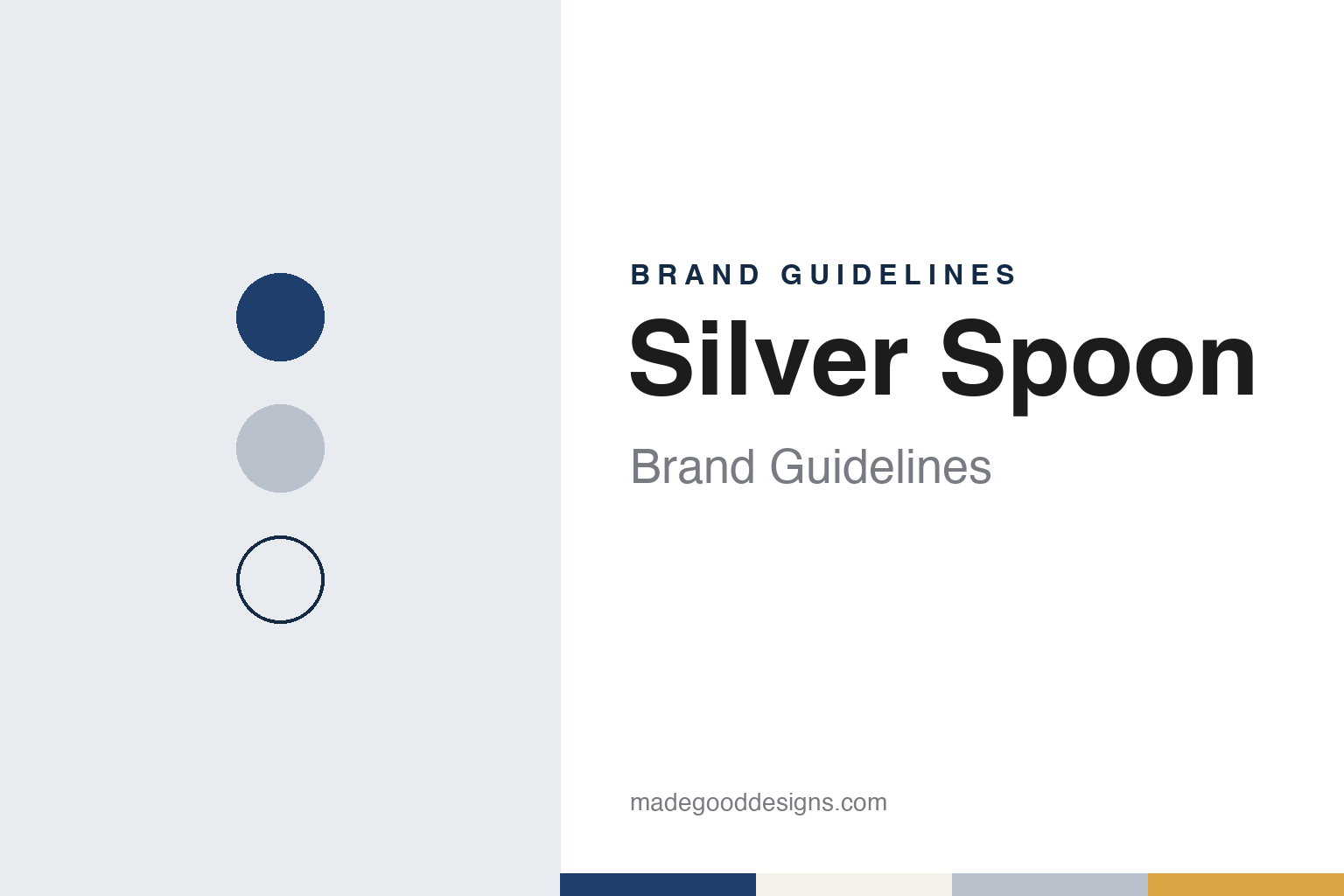
Two constants: a navy, silver and caster white palette and a classic baking serif register. Abstract homage — not a Silver Spoon product or mark; no pack or logo is reproduced.
A brand for a nationalised industry
From the first beet factory to a name on the pack.
Silver Spoon is the shop-shelf name of British Sugar, the company that turns the sugar beet grown on English farms into sugar. Its roots go back to 1912, when the first successful British beet-sugar factory opened at Cantley in Norfolk, on the River Yare, British Sugar’s own history says. Seventeen more factories followed in the 1920s.
In 1936 the Sugar Industry (Reorganisation) Act brought the beet factories together. English Wikipedia says the Act, which received royal assent in May 1936, amalgamated 13 companies and their 18 factories into a single British Sugar Corporation, with the government as a part-owner.
That changed in 1972. British Sugar’s history page says Silver Spoon was launched that year as the retail brand name of British Sugar, selling granulated, caster, cubed and icing sugar; English Wikipedia, citing the East Anglian Daily Times in 2017, likewise dates the start of sales under the Silver Spoon name to 1972. The name has stayed on British Sugar’s household packs ever since, while the company has changed owners twice and closed most of the factories it inherited.
Colour
From state part-ownership to Associated British Foods.
The government stepped back over the following decade. English Wikipedia says a rights issue in 1977 cut the state’s holding from 36% to 24%, and British Sugar’s own history says the government sold its stake in 1981. In 1982 the company became British Sugar plc and was taken over by the commodities group S&W Berisford, a deal The New York Times reported in August that year; British Sugar’s history says the combined business became the Bristar Group.
Berisford did not keep it long. In 1991 British Sugar was bought by Associated British Foods, the group controlled by the Weston family, which still owns it; English Wikipedia dates the purchase to January 1991, citing The Independent. Silver Spoon has been an ABF brand ever since, alongside the group’s grocery names.
In 2004 British Sugar added a cane-sugar brand to its beet-sugar one. It agreed on 26 May 2004 to buy the Billington Food Group, the importer of unrefined cane sugars from Mauritius, and the Office of Fair Trading cleared the deal that August without referring it to the Competition Commission. Announcing the purchase, ABF’s finance director John Bason said it added a full range of unrefined raw cane sugars to complement the existing range of Silver Spoon retail sugars, Just Food reported in May 2004. In its decision the OFT noted the parties’ view that Silver Spoon was not strongly branded in organic and natural sugars, the part of the market where Billington’s led.
The end of the European Union’s sugar quotas changed the business again. British Sugar’s history says that in 2017 it was free of EU production quotas for the first time since 1968, and that the same year it announced a move of its head office within Peterborough. A new British Sugar corporate brand followed in 2018, the company says.
Typography
Design and documentation.
The seven brands in this group all sell baking, sugar, flour and spice products, and all of them are sold under their own names on British shelves: Lyle’s, Tate & Lyle, Silver Spoon, Billington’s, McDougalls, Homepride and Schwartz. British baking and store-cupboard brands in general sit at many different points in the trade, from names that still carry a founder’s surname to names that now belong to much larger food groups, and a single brand can be sold everywhere from a corner shop to a supermarket baking aisle.
A store-cupboard brand’s identity is usually carried less by a single product than by a pack, a name and the kitchen task it promises to help with, because the company behind the name may have changed hands, moved its factory or grown far beyond the town where it started. That makes the questions behind each name worth asking plainly: who started it, who owns it now, and where its products are actually made and packed.
Each guide separates what independent sources record from what the company says about itself — its founding story, its owners over time, where its products are made and how its packaging has changed — and marks plainly what rests only on the company’s own word.
Aa
A classic serif for a sugar brand named after a silver spoon. (Specimen set in Playfair Display, a serif STAND-IN; NOT the Silver Spoon logo.)
Silver Spoon
Four factories, then three.
Silver Spoon sugar comes from beet rather than cane, and the beet is grown in Britain. The brand says it works with British farmers to grow all its sugar beet in the UK and that it is Red Tractor assured from farm to pack; English Wikipedia puts the number of growers supplying British Sugar at about 2,300 in 2023.
The factory map has shrunk steadily. English Wikipedia, drawing on contemporary reports, lists closures at Cupar in 1971; Ely, Felsted, Nottingham and Selby in 1981; Spalding in 1989; Peterborough and Brigg in 1991; King’s Lynn in 1994; Bardney and Ipswich in 2001; Kidderminster in 2002; and Allscott and York in 2007, the last two announced in 2006, the BBC reported. That left four beet factories: Bury St Edmunds in Suffolk, Cantley and Wissington in Norfolk, and Newark in Nottinghamshire. Bury St Edmunds is also a major Silver Spoon packing site, the Peterborough Telegraph reported in 2009.
The oldest of them may be the next to go. In July 2026 British Sugar proposed ending beet processing at Cantley at the end of February 2027 and concentrating production at Bury St Edmunds, Newark and Wissington, Grocery Gazette, Farmers Weekly and Farmers Guardian reported. The proposal went to consultation with the union Unite; the reports put Cantley’s output at about 130,000 tonnes of sugar a year and its staff at more than 100, and said growers who supplied it would be invited to keep growing for the 2027–28 campaign.
On the shelf, the brand today presents itself almost entirely through home baking: its site leads with caster sugar for sponges, icing sugar for decorating and granulated sugar for tea, alongside a large library of recipes, and carries a British Sugar plc copyright line.
For a design guide, Silver Spoon shows how a nationalised industry’s output became a household baking name, carried by one enduring name. Compare Billington’s, the cane-sugar brand British Sugar bought in 2004, and Tate & Lyle, its long-time cane-sugar rival. For this guide we use a navy, a silver grey and a caster white with a classic serif, an unofficial interpretation; no product or logo is reproduced.
Explore & save
Keep Silver Spoon’s identity on hand — save it to a board in the Made Good inspiration library.
Silver Spoon identity set
Pin the Silver Spoon navy, silver and caster white palette and the classic baking serif register to your own board.