Thorne Brand Guidelines
The timber is the identity.
Aa
Two constants: a Thorne-hive-green palette and a workshop-serif register. Abstract homage — not a Thorne product or mark; no hive, frame, smoker or veil is reproduced.
The timber is the identity
Thorne has made beehives in Lincolnshire since 1913 — and in a trade where the hive’s dimensions belong to nobody, its identity is the wood.
Thorne follows Dadant as the round’s second century-old house, and it sits at the centre of what makes this trade unusual. A beehive is a standardised object. The frame sizes, the box dimensions, the interchangeability between one maker’s super and another’s brood box — all of that is long-settled, unpatented and shared. No manufacturer here owns the design of the thing it sells. So the question becomes what is left to own, and Thorne’s answer is the material: the timber is the identity.
Its identity is the timber is the identity. The 1913 founding, the Lincolnshire works and a cedar signature are the story here. The beehive. The timber is the identity.
(Honest notes, so the founding, the ownership, the making and one common misreading are framed accurately. On founding: the firm’s own history says that in 1913 the headmaster of Wragby school, a beekeeper, asked Edgar Henry Thorne — a joiner on the local estate — to make him a hive, and that Edgar was hooked. That account is the company’s own, detailed and internally consistent, corroborated by its centenary in 2013; we attribute it rather than assert it, and we do not name the headmaster because the source does not. The limited company was incorporated in 1960, so that date is a company fact rather than a founding one. On ownership: this is genuinely still a family firm. Every person with significant control on the register is an individual family member, and there is no holding company, no corporate controller and no outside investor. The company describes itself as fourth-generation, running from the founder through his son, his granddaughter and now his great-granddaughter. On the making: its registered activity codes are manufacturing ones, and its account of its own works is unusually specific — a woodwork shop with more than seventy machines, a wax plant processing over a hundred tonnes of beeswax a year, a sewing department making veils and jackets, an engineering department that builds its own smokers, and a Scottish branch that makes all its silicone candle moulds. But one bounding matters: its first-quality hives are made in Canadian western red cedar, and only its budget range in British-grown cedar. So the manufacture is British; the premium timber is not. It is also openly a retailer of other firms’ goods, including a reciprocal arrangement with a French maker. Its marks are IP we describe but do not reproduce; there is no official brand hex.)
Colour
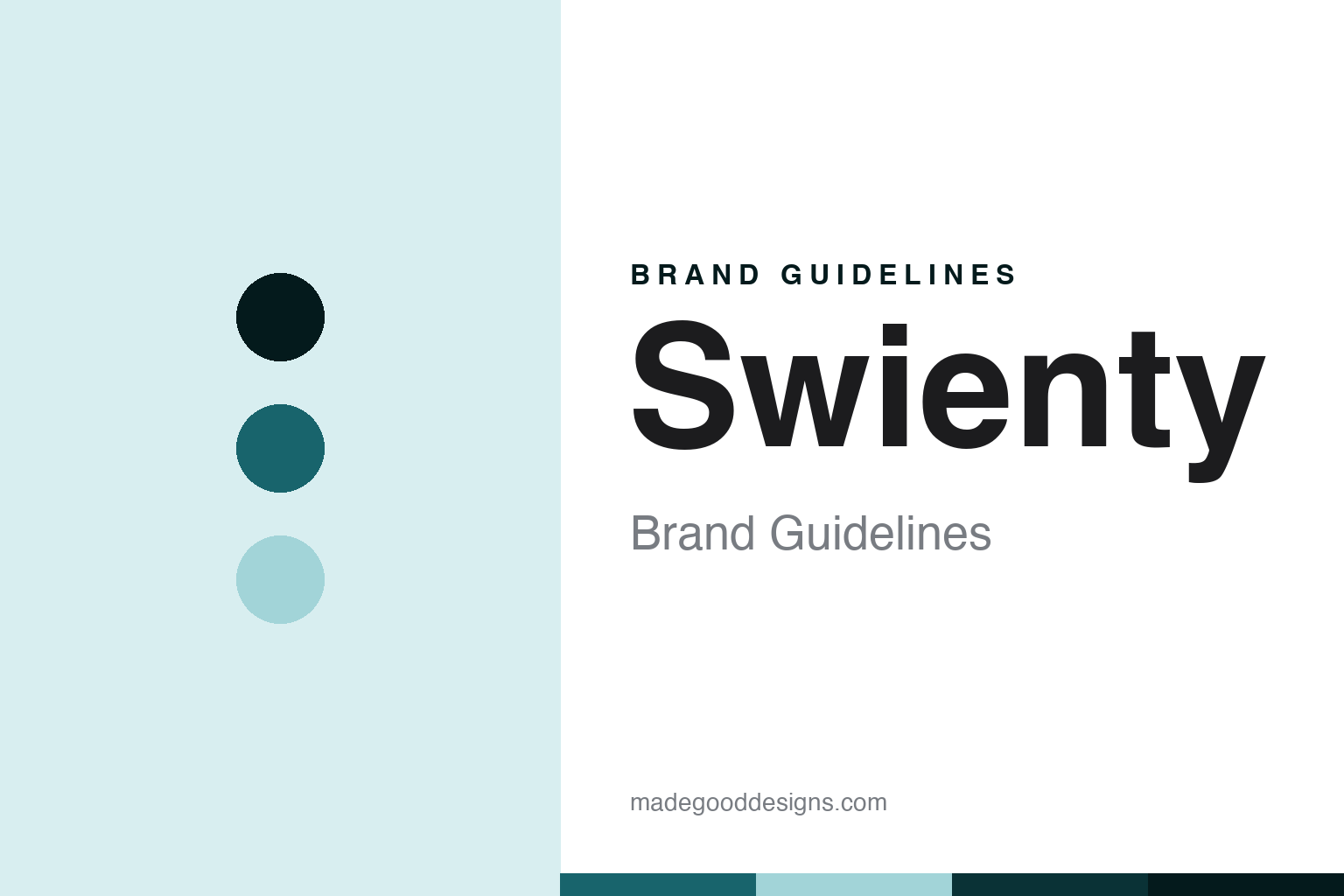
Thorne lives in a Thorne hive green. Click a swatch to copy the hex.
Thorne’s identity is British, family-owned and material-led — a Thorne hive green, an ink, a pale sage, a deep forest, and a paper. The palette leans Thorne hive green and deep forest: an apiary register that stands in for a timber works rather than a loud logo colour. It signals that the timber is the identity — British, family-owned and material-led. The honest caveat: with no official brand hex, these values are an unofficial interpretation, and Thorne’s real visual signature is not a colour at all.
The lesson is when the design is unowned, the material becomes the brand. This is the clearest case of it in the series. Thorne cannot differentiate on hive geometry, because a hive that does not interchange with everyone else’s is useless — that is the entire point of a standard. What it can do is sell the wood. Western red cedar, left unpainted to weather to grey, is the thing a beekeeper recognises across a field, and the company sells paint as an accessory rather than shipping a coloured product. Its premium and budget ranges are separated by the origin of the timber, which is a price tier expressed as a material fact. And its one genuinely distinctive hive proves the rule rather than breaking it: a centenary model with double walls, a porch and a gabled roof — decorative departures on the outside — which takes exactly the same standard frames as everything else on the inside. Differentiate on the surface, conform in the mechanism. Because a strong hue can fail as small text, keep type dark and let the colour live in the accents, palette and band. The takeaways: date the founding to 1913 and the company to 1960; keep the family ownership, which the register supports; bound the timber claim; and read the standard as the constraint it is.
Typography
The register is a workshop serif — British, family-owned, technical.
Thorne’s identity carries a British, workshop spirit — a firm that talks to beekeepers in their own shorthand. A workshop serif captures the mood: traditional, exact and unhurried, the register of a catalogue organised by frame codes rather than by mood. Set in a Thorne-hive-green palette, the workshop serif feels made and weathered rather than styled — exactly the personality Thorne carries. It behaves like a cut, jointed thing rather than a loud logo, mirroring a frame line and a comb hexagon. (Thorne’s real products, its named accessories and the name itself are things we describe but do not reproduce, and the exact typeface is not ours to use.) Because it is not ours to use, the honest description is “a workshop-serif brand,” shown here in a stand-in. The type behaves like the brand: British, family-owned and technical.
Aa
A workshop-serif brand — traditional and exact. (Specimen set in Cormorant Garamond, a workshop-serif STAND-IN; NOT the Thorne logo or products.)
The material node
Thorne stands for the timber being the identity.
Thorne holds the round’s material node. A Thorne-hive-green palette, a workshop serif and a 1913 founding make one thing — the timber is the identity — the whole identity: British, family-owned and material-led. The founding is the frame, the Lincolnshire works is the substance, and the cedar is the signature. The point is a manufacturer in a trade where nobody owns the product’s design, answering that by owning a material instead.
Put to work, the identity is the standard understood and the timber bounded. A brand in this spirit would date the founding to 1913 and attribute the joiner-and-headmaster story to the company, separate that from the 1960 incorporation, state the family ownership plainly because the register supports it, describe the works specifically rather than gesturing at British manufacture, and bound the timber — Canadian cedar in the first-quality range, British-grown in the budget one. A reader in this spirit would keep the facts right: Thorne makes hives, foundation, clothing and smokers; it dates to 1913; it is family-owned into a fourth generation; and it manufactures in Lincolnshire. Thorne follows Dadant, before Mann Lake. The honest editorial moves are to date the founding, to attribute the origin story, to bound the timber, and to explain the standard.
For designers and brand-builders, Thorne holds the material node: when you cannot own the design, own the substance. The lessons: a category can be defined by a shared standard, here hive dimensions that every maker builds to because boxes must interchange, which removes product design from the competitive field entirely; a founding is dated to 1913 at Wragby and attributed to the company’s own telling, with the 1960 incorporation kept separate; an ownership is confirmed rather than claimed, since every controlling interest on the register is an individual family member with no corporate parent behind them; a making is described by its departments — woodwork, wax, sewing, engineering, assembly — rather than by a slogan, and then bounded, because the premium timber is Canadian while the budget timber is British and the manufacture is British in both cases; and a proprietary product is read correctly, because the centenary hive’s double walls, porch and gabled roof are outside the standard while its frames are inside it. Two cautions. Several of this firm’s best lines — the wedge-type top bar it credits to its founder, an acquisition in the 1980s, its own assessment of its environmental record — rest on its own account with no independent trace, and are attributed rather than asserted. And the trade’s public vocabulary is not any company’s property: frame codes are shared, and a hive pattern named after one of this round’s other brands is a size, not that company’s product. The hook is that substance: Thorne is the timber is the identity, the Lincolnshire house whose brand you can read in the grain. Read that way, Thorne is less a single hive than a material held as a signature: British, family-owned, technical. The lesson for a brand is that a standard removes one axis of difference and makes every other one matter more. Thorne made the-timber the identity — proof that a material can carry a house.
Explore & save
Keep Thorne’s identity on hand — save it to a board in the Made Good inspiration library.
Thorne identity set
Pin the Thorne-hive-green palette and the workshop-serif register to your own board.