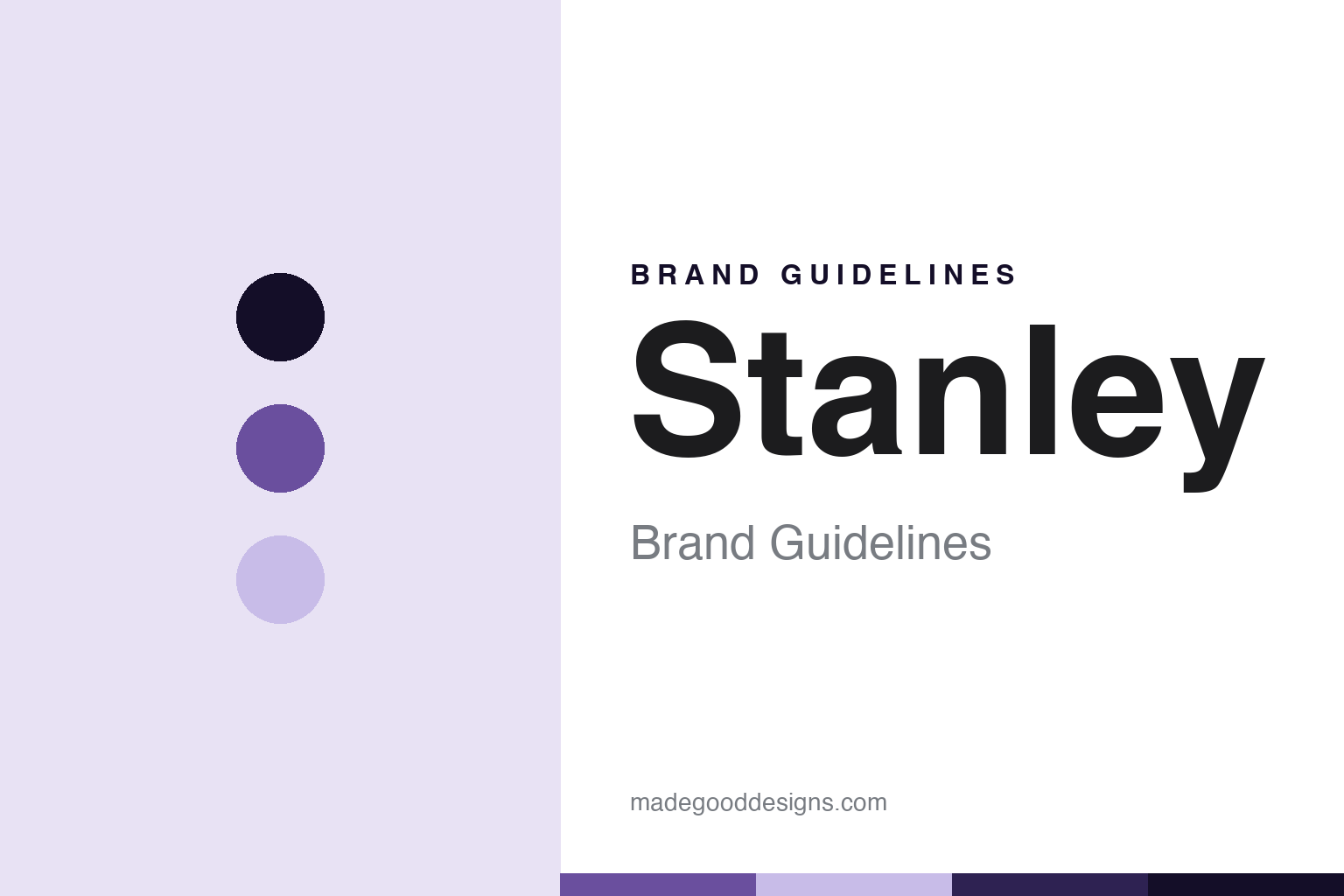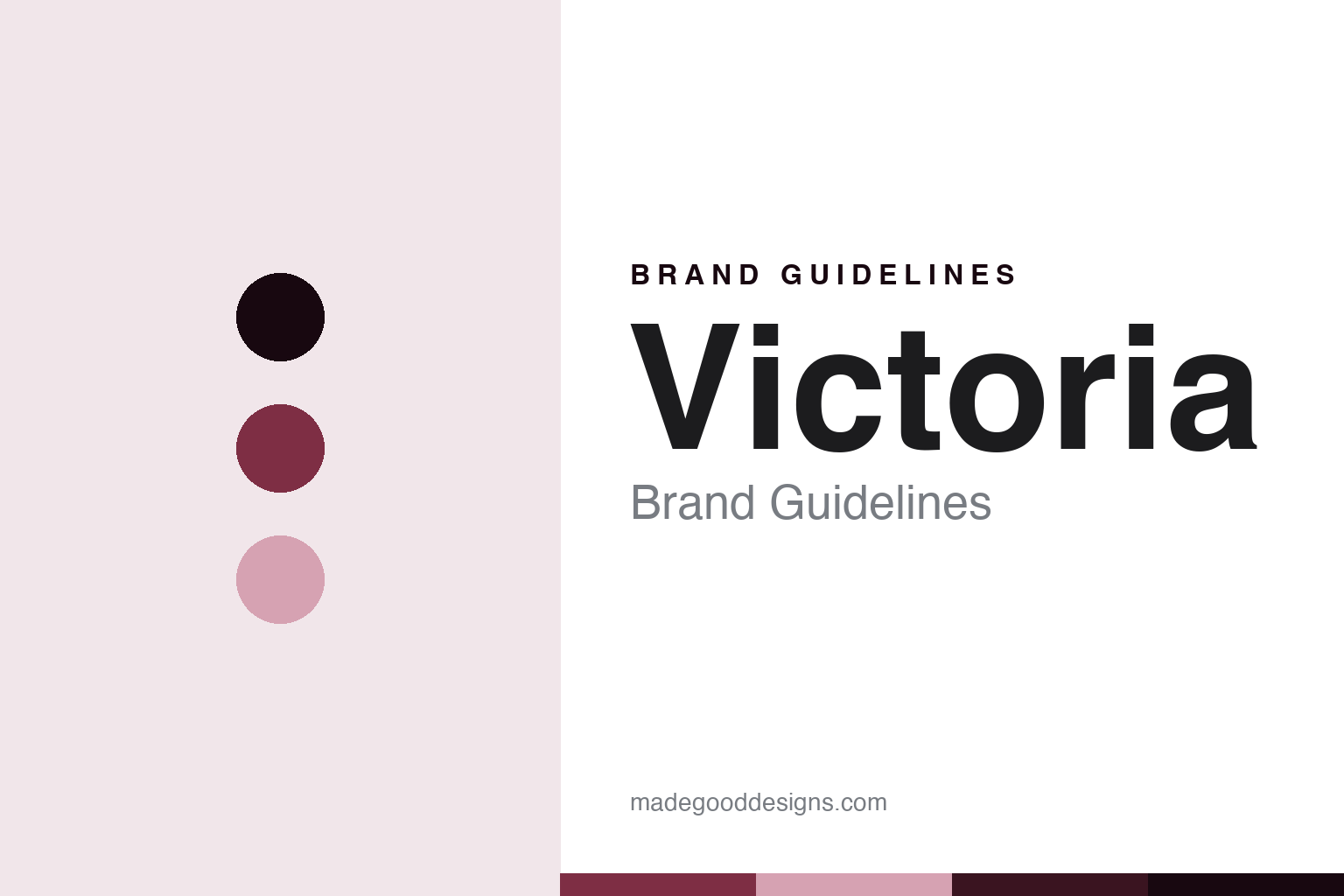
Victoria Brand Guidelines
The Castelfidardo accordion house.
Aa
Two constants: an accordion-wine palette and a concert-sans register. Abstract homage — not a Victoria accordion, grille or mark.
The Castelfidardo accordion house
Victoria is the Italian accordion maker founded in Castelfidardo in 1919, hand-building its accordions in Italy and remembered as an early converter (free-bass) pioneer.
Victoria is the round’s accordion house, and like the town it works in, it has made one instrument for over a century. From Castelfidardo — the world capital of accordion-making — Victoria has built piano and button accordions since 1919. Its answer to how a house becomes a name is craft and a first: hand-build accordions in the craft’s home town, and be among the first to build the converter, or free-bass, accordion that concert players need. An Italian accordion, hand-made in Castelfidardo.
Its identity is the Castelfidardo accordion house. Victoria’s hand-built accordions, its converter-accordion heritage and its Castelfidardo craft are the work it is known for. An accordion, from Castelfidardo. A house that helped build the concert accordion.
(Honest notes, so the story stays precise. Victoria was founded in 1919 by Dario Dari and Adriano Picchietti — originally trading as “Dari & Picchietti,” later renamed Victoria — in Castelfidardo, in Italy’s Marche region; its live official presence is at accordions.it. On what it makes, it is piano and chromatic button accordions, including converter (free-bass) concert instruments and a bandoneon, all in the Italian tradition. On where it is made — a theme of this round — Victoria brands itself “Fisarmoniche made in Italy,” made at its Castelfidardo workshop by specialised hand-craftsmanship, so we say made in Italy and avoid an absolute “entirely hand-made” claim it does not make. On its heritage, its own history credits it as among the first factories after the war to build converter accordions, earning the nickname “Converter Victoria.” On ownership — an honest point — the company does not publish its ownership; a long-time figure is reported as a shareholder, and it appears to remain a small independent Castelfidardo house, but we present current ownership as unconfirmed rather than assert it. It is a different company from Pigini, another Castelfidardo house. Its concert-artist associations we attribute as reported. Its name and marks are IP, described but never reproduced, and there is no official brand hex; these tones are an unofficial interpretation. This is design commentary and does not promote any product.)
Colour
Victoria lives in an accordion-wine palette. Click a swatch to copy the hex.
Victoria’s identity is craft, Italian and concert-grade — an accordion wine, an ink, a pearl, a deep wine, and a paper. The palette leans accordion wine and pearl: the register of a deep wine finish and pearl-celluloid, the classic look of a concert accordion. It signals a single craft, done well. The honest caveat: with no published brand hex, these values are an original, unofficial interpretation, not first-party colours.
The lesson is an accordion-wine palette signals a hand-built, made-in-Italy identity. Victoria’s world is a craft, celluloid-and-reed, Italian object. For designers, it is a reminder that a deep wine and a soft pearl can carry a house built on one instrument — the red-wine of an accordion body and the sheen of pearl celluloid. Because these tones can fail as small text, keep type dark and let the colour live in the accents, palette and band. The takeaways: master one instrument; keep it in the craft’s town; be honest when ownership is unclear; and treat any single hex as unofficial.
Typography
The register is a concert sans — clean, precise, made.
Victoria’s identity carries a clean, precise, made spirit — a concert-accordion house, not a fashion label. A concert sans captures the mood: even, exact and modern, the register of a workshop that builds free-bass concert instruments. Set in an accordion-wine palette, the concert sans feels clean and precise — exactly the personality Victoria carries. It is a single-craft house rather than a runway, mirroring a hand-built accordion. (Victoria’s real logo, its grille and wordmark are things we describe but do not reproduce, and the exact typeface is not ours to use.) Because it is not ours to use, the honest description is “a concert-sans spirit,” shown here in a stand-in. The type behaves like the house: clean, precise and made.
Aa
A concert-sans spirit — clean and precise. (Specimen set in Work Sans, a concert-sans STAND-IN; NOT the Victoria logo or grille.)
The heritage houses
Victoria stands for the accordion house that helped build the concert accordion.
Victoria is a lesson in how a single craft and a first can be an identity. An accordion-wine palette, a concert sans and a hand-built accordion make one thing — the Castelfidardo accordion house — the whole identity: craft, Italian and concert-grade. The Castelfidardo making is the differentiator, and the converter-accordion heritage is the meaning. The point is a house that has built accordions in the world capital of the craft since 1919, and helped bring the free-bass concert accordion into being.
Put to work, the identity is single-craft heritage, honestly told, as design. A house in this spirit would master one instrument, keep it in the craft’s home town, and be candid about what it does not disclose — hand-built accordions, converter concert instruments, a Castelfidardo workshop, an ownership it does not publish. A brand learning from it would see that a single-craft heritage plus a genuine first is a durable identity — that a house that helped build the concert accordion holds a place a follower cannot — and that being precise, founded 1919 by Dari and Picchietti, made in Italy, an early converter pioneer, keeps the story honest. Victoria echoes an earlier Castelfidardo house in this vein — two makers, one town, the same made-at-home accordion craft — and carries the round’s honesty about ownership at its most careful: where the company does not publish who owns it, the honest move is to say it appears independent and leave the rest unconfirmed, not to invent a family line. The lesson Victoria teaches is that a craft and a first can hold an identity: the Castelfidardo making gives it substance, and the honesty about the unpublished ownership keeps it credible. The craft is the personality, and the hand-built accordion is the proof.
For designers and brand-builders, Victoria holds the Italy pole in the heritage houses: master one craft, and be honest about what you can’t confirm. The lessons: specialise in one instrument; keep it in the craft’s town; own a genuine first; state ownership only as far as you can verify; and never reproduce a logo or grille. It is also a reminder to stay precise: Victoria is the Italian accordion maker founded in Castelfidardo in 1919, hand-building its accordions in Italy and remembered as an early converter (free-bass) pioneer — with the palette here an unofficial interpretation. Victoria made a single craft and a first the identity — proof that a Castelfidardo accordion, honestly told, can be the difference.
Explore & save
Keep Victoria’s identity on hand — save it to a board in the Made Good inspiration library.
Victoria identity set
Pin the accordion-wine palette and the concert-sans register to your own board.