What Font Does Duolingo Use?
The Duolingo font is central to why the app feels so playful and approachable. The brand’s rounded, bold lettering signals “learning should be fun,” and it pairs a custom display face with friendly rounded sans-serifs for the interface. Below we cover the wordmark, the UI type, and the free alternatives that capture the same cheerful character. For how other apps build their identity, see our hub on famous brand fonts.
What font is the Duolingo logo?
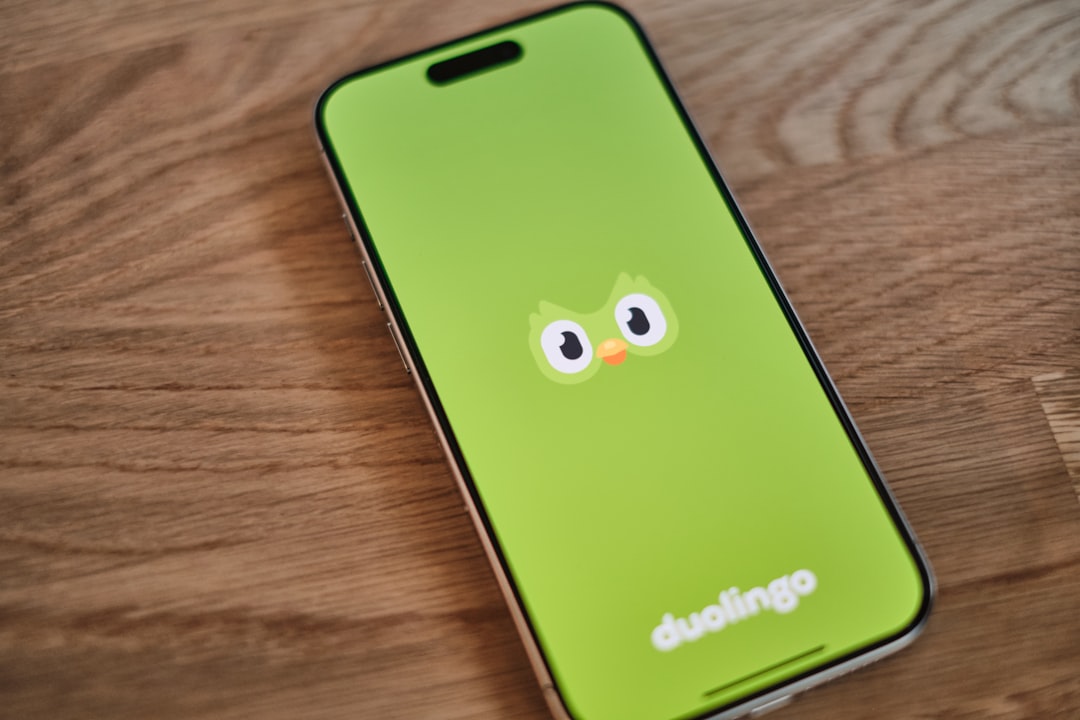
The Duolingo wordmark and brand headlines use Feather Bold, a custom display typeface created for the company. It’s a heavy, rounded sans with soft, friendly terminals and full, generous curves — the visual equivalent of Duo the owl’s cheerful personality. Feather Bold is bespoke and trademarked, so it is not available for public download or licensing. Its rounded boldness is what makes Duolingo’s name instantly recognizable and gives the brand its warm, gamified, anyone-can-do-this feel.
What font does the Duolingo app use?
Inside the app, Duolingo’s interface and body text have historically leaned on DIN Round — a rounded variant of the classic, highly legible DIN grotesque — chosen for clarity at small sizes while keeping the soft, friendly tone of the brand. Over time Duolingo has expanded its custom type usage, so the system blends its bespoke Feather family with DIN Round-style sans for UI. We should hedge: exact app typography evolves across platforms and releases, so treat DIN Round as the well-known reference for the rounded UI sans rather than a fixed, permanent spec. For the underlying typeface family, see our breakdown of the DIN font.
Why does Duolingo use rounded bold fonts?
Rounded, bold letterforms read as friendly, safe, and approachable — exactly the emotional cue a language app wants when it’s asking nervous beginners to keep a streak going. Soft terminals and full curves feel toy-like and non-intimidating, reinforcing Duolingo’s gamified, playful brand and its mascot-driven personality. The heavy weight also gives headlines and buttons clear hierarchy and tappable confidence in the app. It’s a deliberate, psychology-aware type strategy. For other playful and tech-brand breakdowns, see our siblings on what font Shopify uses and what font Stripe uses.
Free fonts that look like the Duolingo font
You can’t use Feather Bold, but free rounded sans-serifs capture the same warm, chunky, friendly feel. Match the role: a heavy rounded display face for the wordmark/headlines, and a softer rounded sans for UI and body.
| Use case | Duolingo uses | Free / paid alternative |
|---|---|---|
| Logo / display headlines | Feather Bold (custom) | Baloo 2 (free) |
| Friendly UI / body | DIN Round / custom | Nunito (free) |
| Rounded grotesque look | DIN Round | Varela Round (free) |
| Soft display alternative | Feather Bold lineage | Quicksand (free) |
Baloo 2 is the best free match for Feather Bold — a heavy, rounded display sans with the same chunky, friendly presence ideal for a wordmark or big headlines. Nunito is the go-to free choice for the rounded UI/body role, offering soft, rounded terminals across a full weight range. Varela Round and Quicksand add more rounded-geometric options for buttons and labels. All are free on Google Fonts for commercial use, so you can build a Duolingo-style system at no cost.
When choosing among these, let the role decide. For the biggest, boldest moments — a logo, a hero headline, a celebratory streak screen — reach for Baloo 2, whose heavy weight carries the same confident, toy-like presence as Feather Bold. For everything you actually read, like lesson text, buttons, and progress labels, Nunito stays softer and more legible at small sizes without losing the rounded warmth. Avoid mixing too many rounded faces at once; one display face plus one body face keeps the system coherent, which is exactly how Duolingo’s own type works.
How to recreate the Duolingo look
To capture Duolingo’s playful identity for free, set your wordmark and big headlines in a heavy rounded face like Baloo 2, and use Nunito for buttons, labels, and body text so the whole interface feels soft and friendly. Keep weights bold for headlines, use generous rounding, and lean on bright, high-energy color (Duolingo’s green is a big part of the recognition) with plenty of whitespace and large, tappable elements.
If you need the genuine brand face, note that Feather Bold is proprietary and not licensable to the public, and the Duolingo logo and Duo character are trademarked — so use these free fonts for your own original, friendly brand rather than to imitate Duolingo. Our font licensing guide explains custom-typeface commissions versus free webfonts, and our font pairing guide helps you balance a bold rounded display face with a readable rounded body sans.
Frequently Asked Questions
What font does Duolingo use?
Duolingo uses Feather Bold, a custom rounded display typeface, for its wordmark and headlines, paired with DIN Round-style rounded sans for interface and body text. Feather Bold is proprietary and not public; free alternatives like Baloo 2 and Nunito capture the same friendly, rounded look.
What is Feather Bold?
Feather Bold is Duolingo’s custom display typeface — a heavy, rounded sans with soft terminals and full curves that give the brand its cheerful, approachable personality. It is bespoke and trademarked, so it is not available to download or license. Baloo 2 is the closest free match.
What free font looks like the Duolingo font?
Baloo 2 is the closest free match for Duolingo’s bold rounded headlines, while Nunito works well for the rounded UI and body role. Varela Round and Quicksand are additional rounded options. All are free on Google Fonts and suitable for commercial use.
Does Duolingo use DIN Round?
Duolingo has historically used DIN Round, a rounded version of the legible DIN grotesque, for interface and body text, alongside its custom Feather type. App typography evolves across releases, so treat DIN Round as the well-known reference for the rounded UI sans rather than a permanent specification.
Can I use the Duolingo font for my project?
Not the official one. Feather Bold is proprietary and not licensable, and the Duolingo logo and Duo mascot are trademarked. For your own friendly, playful brand, use free rounded fonts like Baloo 2 and Nunito, which deliver a similar warm character and are licensed for commercial use.