Skutt Brand Guidelines
The family that trademarked the controller.
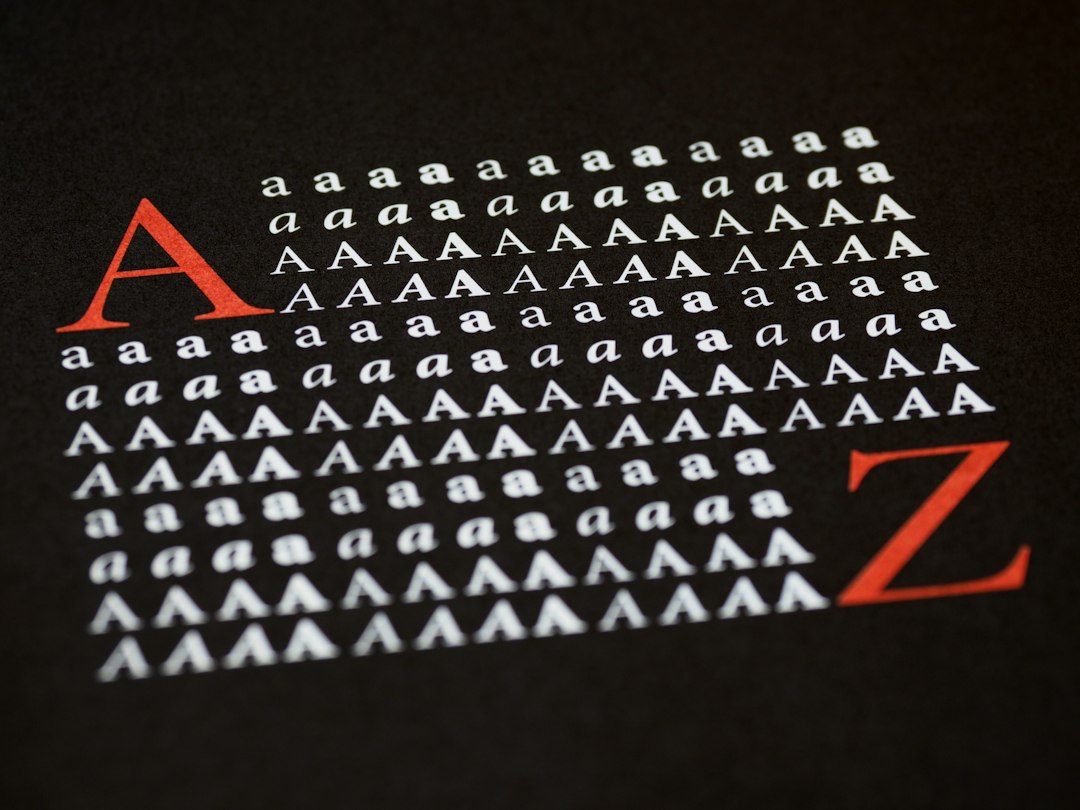
Aa
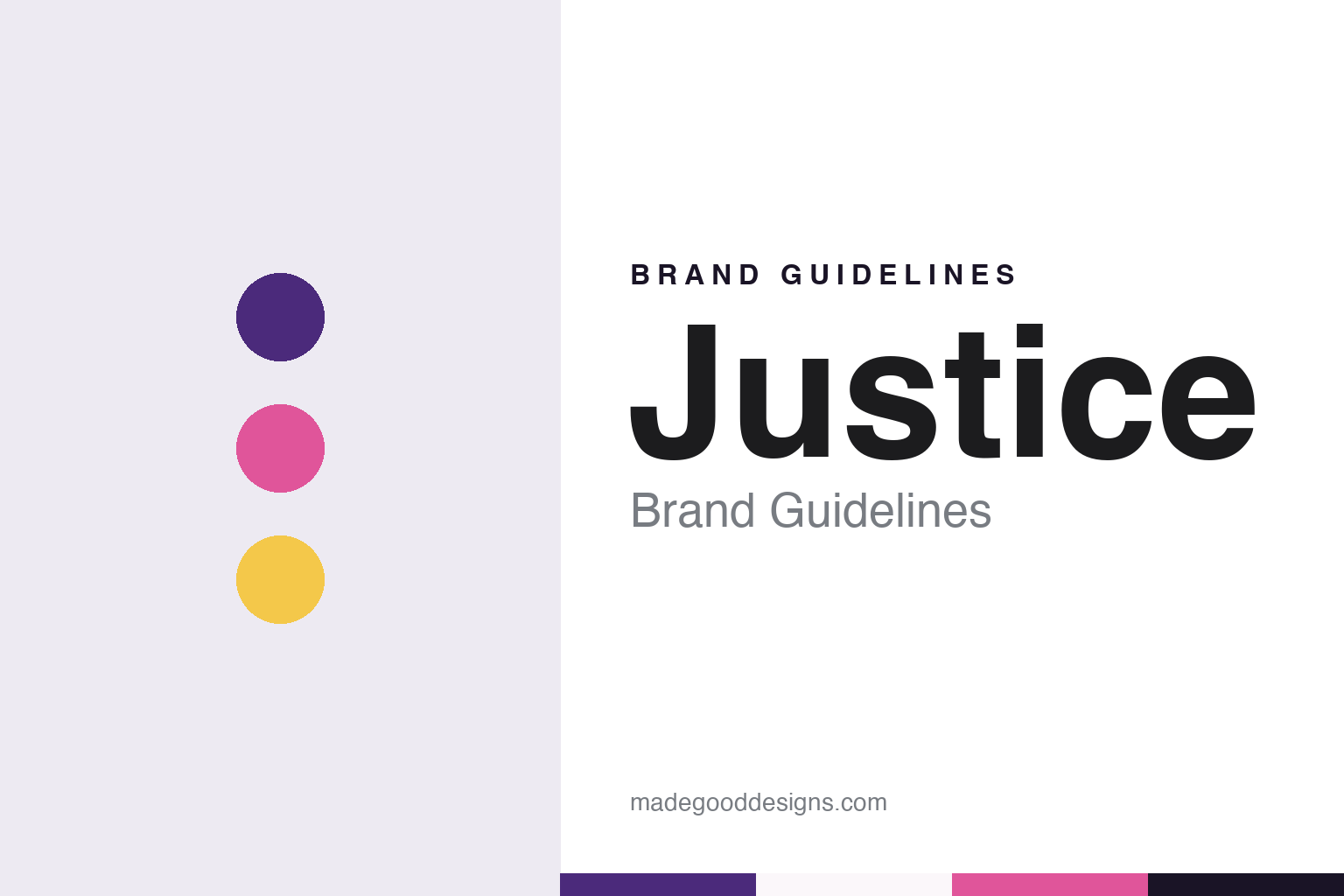
Two constants: a Skutt-ember palette and a heavy-grotesque register. Abstract homage — not a Skutt product or mark; no kiln, sun or wordmark is reproduced.
A father, a son, and a third generation
Skutt is still owned by the family that founded it. Since June 2025 it has not been run by one.
Skutt dates itself precisely: “In 1953 father/son team, Ralph and Neil Skutt, manufactured the industry’s first multi-sided hobby kiln.” The work began in Olympia, Washington, under the name Skutt & Sons. “Industry’s first” is the company’s own claim, and it is a narrower one than it first sounds — not the first electric kiln, but the first multi-sided hobby kiln, the many-faceted ring of firebrick that most studio kilns still look like today. We report it as Skutt’s account.
The company is now Skutt Ceramic Products, Inc., at 6441 SE Johnson Creek Boulevard in Portland, Oregon, and it describes itself as “Family-owned and operated since 1953.” Jim Skutt, the third generation, is today its owner and board chair.
The “operated” half of that line has just changed. On 9 June 2025 Skutt announced Kristine Gittins as chief executive. Her previous post was executive vice-president at Benchmade Knife Company, the Oregon knife maker covered elsewhere in this series, and before that she worked at Triad Machinery and at the Sokol Blosser winery. We could not find an earlier chief executive from outside the family, so she appears to be the first — but the company did not say so in the announcement we read, and we leave it as an appearance. Ownership did not move: the family still holds the company, and Jim Skutt still chairs it.
Two of the makers in this round began in Washington State. Skutt started in Olympia; Olympic Kilns, as its own history tells it, began near Seattle and took its name from the mountains across the Sound. Both later moved — Skutt south to Portland, Olympic all the way to Georgia.
Colour
Most brands register the name on the outside of the box. Skutt registered the name of the part that decides what happens inside it.
The Skutt kiln most potters know is the KilnMaster — models such as the KM-818, KM-1027 and KM-1227. But in the US trademark register, KilnMaster is not a kiln. Registration No. 1,732,009, filed on 27 November 1989 and registered on 10 November 1992 to Skutt Ceramic Products, covers “electrical controls for ceramic kilns.” The name Skutt chose to protect was the controller’s.
That is a revealing choice in this trade. As our L&L and Paragon guides show, kiln controllers are often made by a small number of specialists and badged by the brand. Skutt does not publish who makes its controller, and we did not find a primary source that says; a rival controller maker has claimed in its own marketing that Skutt’s are made by one of those specialists, but that is a competitor’s allegation and we do not repeat it as fact. What is documented is the register: the controller’s name belongs to Skutt, and has since 1992.
The product line has kept building outwards from that controller. The KMT touchscreen replaced the keypad; KilnLink adds Wi-Fi monitoring through a LinkBoard and LinkBox, so a firing can be watched from a phone; the EnviroVent 2 draws fumes out of the firing chamber. Skutt also sells glass and bead kilns, and potter’s wheels — a line that came, by the company’s account, from a partnership with Thomas Stuart Potter’s Wheels rather than from a Skutt design office.
On origin, the clearest wording we found is in material attributed to the company: “Skutt kilns and wheels are made in America and sold all over the world.” We did not find that sentence on Skutt’s own about page, nor any formal Made-in-USA certification, so we report it as the company’s claim and do not narrow it to a specific plant beyond the Portland address.
Typography
Skutt publishes the distance its kilns should stand from your wall. It is Skutt’s number, not the law’s.
Skutt maintains a safety-listings page with sections for UL listing, UL listings for Canada, CSA certification, the European CE mark and Japan’s PSE mark — the broadest spread of national marks claimed by any American maker in this round. Our copy is an archived capture from January 2025, as the live page refused our requests, and we did not obtain per-model file numbers. A retailer describes the KilnMaster controller as “UL and CSA listed when factory installed in Skutt automatic kilns,” which is a precise and sensible qualification: the controller is listed as part of the kiln, not on its own.
Skutt also publishes a specification for architects and contractors. It asks for kilns “listed and labeled as defined in NFPA 70, Article 100” — the National Electrical Code’s definitions — and for “a minimum of 18 inches between kiln and adjacent walls.” That 18 inches is easy to mistake for a code requirement. It is Skutt’s own clearance figure, written into Skutt’s own specification, and we report it as such.
The standard those listings point to is UL 499, the US safety standard for electric heating appliances. In the edition we read it gives kilns three short clauses out of 171 pages, and it never mentions the pyrometric cone — the small ceramic pyramid, made in North America by a charitable trust in Ohio, that the potter actually fires to. A Skutt kiln is certified as a safe heater; whether it is a good kiln is decided by the cone.
We searched the US Consumer Product Safety Commission’s recall database for the Skutt name and for kilns by product name and title. Neither returned a recall, while control searches for heaters and furnaces did. That is a statement about the recall database, not a guarantee about anything else.
Aa
A heavy, upright grotesque — confident, square-shouldered, workshop-plain. (Specimen set in Archivo, a sans STAND-IN; NOT the Skutt wordmark, sun or products.)
A sun with a face
The only mark in the round that looks back at you.
Skutt’s logo is a burnt-orange sun with a face, set beside a heavy black capital wordmark. Among the marks in this round — L&L’s lightning bolt, Paragon’s octagons, Olympic’s torch — it is the only one with a human expression, and the only one that reads as mid-century rather than corporate. It suits a company whose ownership has not changed since it was founded.
We found no formal tagline. The nearest thing is a sentence on the about page: “every object placed in a Skutt kiln has value.” It is a potter’s sentiment, not an engineer’s, and it is the right one for a brand whose real customer is the person who opens the lid the next morning.
For this guide we use a burnt Skutt ember and a pale clay tone with a heavy grotesque. These are an unofficial interpretation, not Skutt’s own colour values, and nothing of its mark is reproduced.
Explore & save
Keep Skutt’s identity on hand — save it to a board in the Made Good inspiration library.
Skutt identity set
Pin the Skutt-ember palette and the heavy-grotesque register to your own board.