ABC Brand Guidelines
The Jakarta kecap, sambal and syrup maker Heinz bought into.
Aa
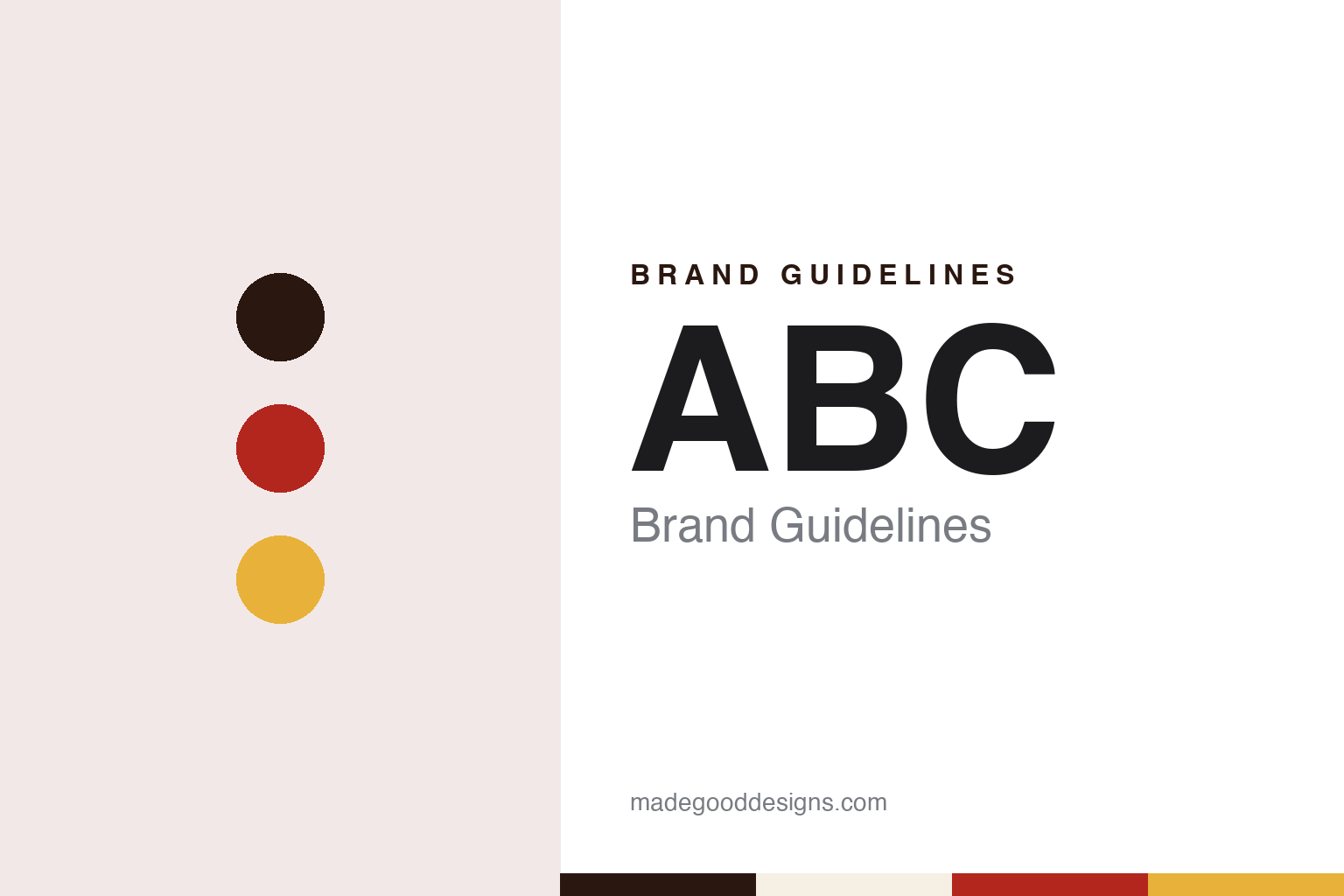
Two constants: a kecap brown, sambal red and syrup gold palette and a sturdy grotesque sans register. Abstract homage — not an ABC product or mark; no bottle, label or logo is reproduced.
Central Foods
Two entrepreneurs from Medan and a soy-sauce plant in West Jakarta.
ABC is one of the best-known names on an Indonesian kitchen shelf, and its story starts in Jakarta in 1975. Indonesian Wikipedia dates the company to 16 October 1975, when it was set up as CV Central Foods, and names its founders as Chandra Djojonegoro and Chu Sok Sam. English Wikipedia, citing a 2018 history of the company by Petrik Matanasi in the online magazine Tirto.id, describes the two founders as Chinese Indonesian entrepreneurs from Medan, in North Sumatra, and gives Chandra Djojonegoro’s Chinese name as Chu Sam Yak.
The business started with soy sauce. Indonesian Wikipedia says the company’s first factory was at Daan Mogot, in West Jakarta, and that its first focus was kecap, the Indonesian word for soy sauce. The style that made the brand was kecap manis, the sweet soy sauce of Indonesian cooking, which English Wikipedia describes as fermented soy sweetened with palm sugar, darker and more syrupy than ordinary soy sauce, with a molasses-like flavour. ABC also sold salty kecap alongside the sweet one, English Wikipedia notes.
The company’s name came in stages. English Wikipedia says that in 1982 CV Central Foods Industrial Corporation was renamed PT Aneka Bina Cipta Central Food Industry, a name abbreviated to ABC.
The range grew quickly beyond soy sauce. According to Indonesian Wikipedia, Sirup ABC, a sweet fruit syrup diluted with water, followed in 1978, and Sambal ABC, a bottled chilli sauce, in 1979. By the 1980s, English Wikipedia says, ABC’s syrup, sweet soy sauce and sambal had begun to lead their markets in Indonesia.
Colour
Kecap, sambal, syrup and the factories behind them.
ABC’s identity rests on a short list of everyday products. English Wikipedia names four leading lines: Kecap ABC, the sweet soy sauce; Sambal ABC, the hot chilli sauce; Syrup ABC, the fruit syrup; and Saus Tomat ABC, a tomato ketchup. Indonesian Wikipedia adds canned sardines sold as Sarden ABC, a peanut seasoning and a range of regional sambals sold under the name Sambal Nusantara. The products sit in Indonesia’s traditional markets, supermarkets, minimarts and warungs, the small neighbourhood shops, English Wikipedia says, and they reach Asian grocers in the United States and tokos in the Netherlands.
Indonesian Wikipedia says that between 1989 and 1994 ABC built factories at Karawang, in West Java, and Pasuruan, in East Java; its information box gives 1994 for Karawang and 1996 for Pasuruan, so the dates differ within the same article. English Wikipedia lists three production plants, at Karawang, Daan Mogot and Pasuruan, alongside eight packing facilities and more than 3,000 employees, citing figures from the company and from Bloomberg. In 2022, Indonesian Wikipedia says, the company began developing and modernising the Karawang factory.
The company also describes itself as a local buyer. Indonesian Wikipedia, drawing on the company’s own figures, says more than 80% of its packaging materials and 90% of its raw materials are sourced within Indonesia, and that its products are halal certified. English Wikipedia lists export markets including the United States, Canada, Australia, Singapore, Malaysia, Japan, Saudi Arabia, the Netherlands and the United Kingdom.
Recent marketing has played on the three letters themselves. Indonesian Wikipedia says a 2024 campaign expanded ABC as “Ahlinya Buat Citarasa”, roughly “the expert in making flavour,” and that the company launched Akademi ABC, an online platform for cooking lessons. The brand calls itself a food and drink brand that has been with Indonesian families since 1975, Indonesian Wikipedia says.
Typography
Design and documentation.
The seven brands in this group all make food and drink, and they come from Indonesia and Vietnam: ABC, Bango, Kapal Api, Teh Botol Sosro, Vinamilk, Trung Nguyên and Mayora. Food and drink brands in general sit at many different points in the trade, from family firms that still carry a founder’s surname to names that now belong to much larger food groups, and a single brand can be sold everywhere from a roadside stall to a supermarket shelf.
A food or drink brand’s identity is usually carried less by a single product than by a pack, a name and the meal or drink it promises, because the company behind the name may have changed hands, moved its factory or grown far beyond the town where it started. That makes the questions behind each name worth asking plainly: who started it, who owns it now, and where its products are actually made and packed.
Each guide separates what independent sources record from what the company says about itself — its founding story, its owners over time, where its products are made and how its packaging has changed — and marks plainly what rests only on the company’s own word.
Aa
A sturdy grotesque sans for a brand built on three capital letters. (Specimen set in Archivo, a sans STAND-IN; NOT the ABC logo.)
Heinz ABC
A 1999 stake, a 2013 buyout and a 2015 merger.
ABC’s ownership changed in 1999. English Wikipedia says that in February that year the American food company H. J. Heinz bought a 65% stake in the business, turning it into a joint venture; its article on Heinz says the purchase was how Heinz entered Indonesia. The company has traded since then as PT Heinz ABC Indonesia, and English Wikipedia names its parents as ABC Holding and Heinz’s successor, Kraft Heinz.
Heinz itself changed hands twice after the deal. English Wikipedia says that in February 2013 Heinz agreed to be bought by Berkshire Hathaway and the Brazilian investment firm 3G Capital, and that its merger with Kraft, announced in March 2015, was completed on 2 July 2015, creating Kraft Heinz. The Indonesian news magazine Tempo covered the link in February 2015 under a headline about Warren Buffett taking over the ABC soy sauce factory. English Wikipedia’s article on Kraft Heinz lists ABC among the group’s global brands as of 2023.
Inside the group the Indonesian business is a large one. English Wikipedia, citing the company’s own history page, calls PT Heinz ABC Indonesia the largest Heinz business in Asia and one of the largest in the world. Its head office is in Jakarta, and English Wikipedia describes ABC as one of fifteen brands owned by Heinz worldwide.
The brand also has a long list of competitors in its own category. English Wikipedia’s article on kecap manis lists ABC among the national brands sold across Indonesia, next to Bango, and says around a hundred regional brands of sweet soy sauce are made in the country as well.
For a design guide, ABC shows how three capital letters can carry a soy sauce, a chilli sauce and a fruit syrup from Indonesian factories to shelves around the world. Compare Bango, its long-running rival in kecap manis, and Indomie, another Indonesian kitchen staple. For this guide we use a kecap brown, a sambal red and a syrup gold with a sturdy sans, an unofficial interpretation; no product or logo is reproduced.
Explore & save
Keep ABC’s identity on hand — save it to a board in the Made Good inspiration library.
ABC identity set
Pin the ABC kecap brown, sambal red and syrup gold palette and the sturdy grotesque sans register to your own board.