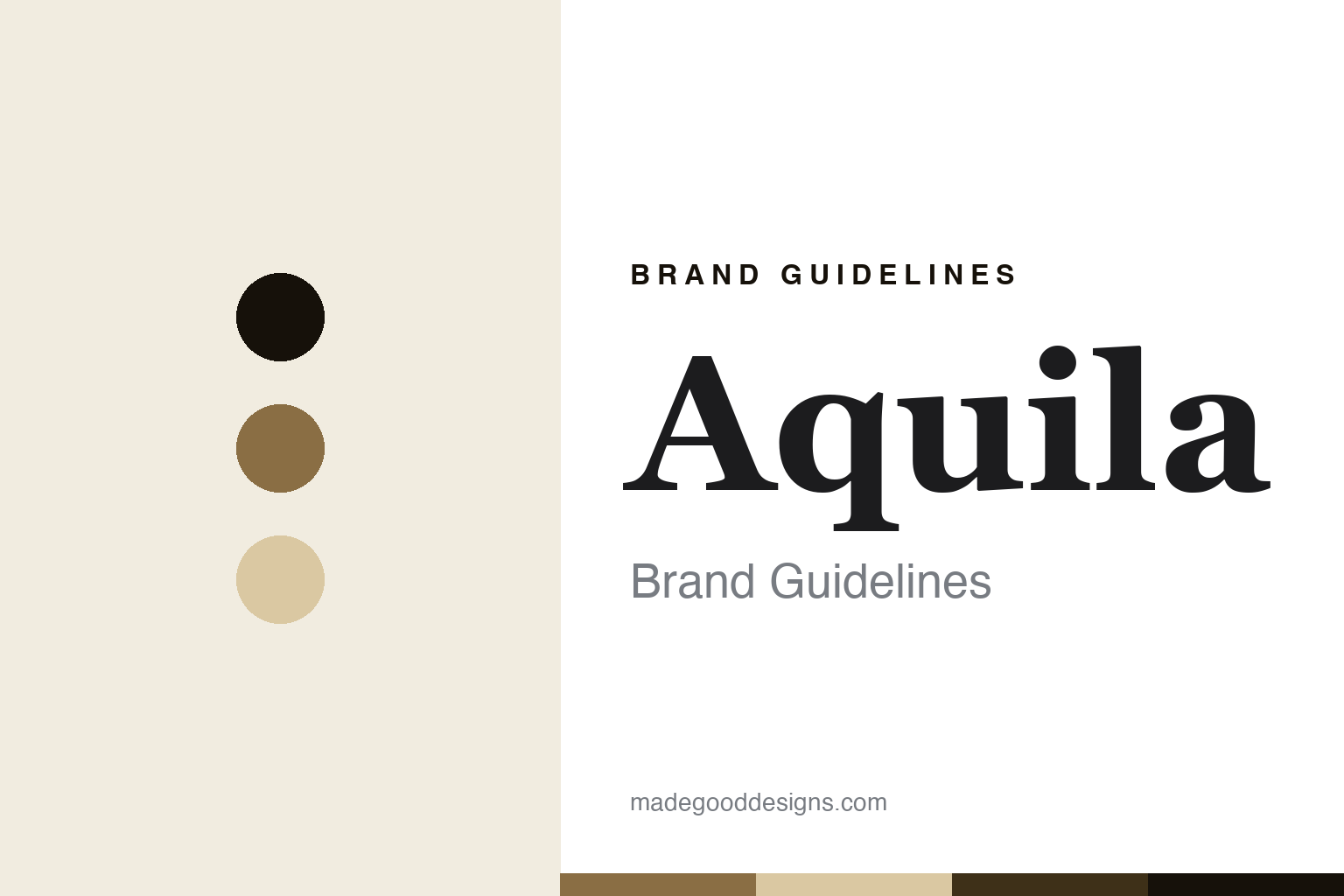
Aquila Brand Guidelines
The gut-string reinventor.
Aa
Two constants: a Nylgut-ivory palette and a historical-serif register. Abstract homage — not an Aquila string or mark.
The gut-string reinventor
Aquila is the Italian string maker founded by Mimmo Peruffo in 1991, whose Nylgut synthetic material reinvented the gut string, made in Italy near Vicenza.
Aquila is the round’s string reinventor, and it carries the natural-to-synthetic story into the oldest string material of all: gut. From near Vicenza, in Italy, Aquila makes strings for ukulele, classical guitar, lute, harp and historical instruments — and it made its name by inventing Nylgut, a synthetic material designed to replace natural gut. Its answer to how a maker becomes a name is research: study how gut strings were made for centuries, then engineer a modern material that behaves like them. An Italian string maker that reinvented gut.
Its identity is the gut-string reinventor. Aquila’s Nylgut material, its historical-string research and its made-in-Italy manufacture are the work it is known for. A string, reinvented. A synthetic answer to a material as old as music.
(Honest notes, so the story stays precise. Aquila — Aquila Corde Armoniche — was founded in November 1991 by Mimmo Peruffo, an Italian researcher and string maker, in Caldogno, in the province of Vicenza; Peruffo is a living individual described from public, company-stated facts, and remains the founder and owner. On what it makes, it is strings for plucked and historical instruments — ukulele, classical and flamenco guitar, lute, harp, mandolin and more — in natural gut and synthetics; its signature Nylgut was patented in 1997 (so the company dates to 1991, the material to 1997). On where it is made — the crux of this round — Aquila states its production is strictly “Made in Italy,” with the company based in Caldogno; we say made in Italy and locate the company at Caldogno without asserting the exact plant address. On ownership, it is independent and founder-owned. On its market claim, it describes itself as a leader in ukulele strings; we present that as “a market leader,” not “the world’s largest,” which we could not confirm. Its name, marks and the Nylgut trademark are IP, described but never reproduced, and there is no official brand hex; these tones are an unofficial interpretation. This is design commentary and does not promote any product.)
Colour
Aquila lives in a Nylgut-ivory palette. Click a swatch to copy the hex.
Aquila’s identity is historical, Italian and inventive — a Nylgut ivory, an ink, a parchment, a deep gut, and a paper. The palette leans Nylgut ivory and parchment: the register of a pale gut string and an old manuscript. It signals research and the reinvention of an ancient material. The honest caveat: with no published brand hex, these values are an original, unofficial interpretation, not first-party colours.
The lesson is a Nylgut-ivory palette signals a historical, reinvented-material identity. Aquila’s world is a historical, string, Italian object. For designers, it is a reminder that an ivory and a soft parchment can carry a maker built on gut — the pale of a gut string and the cream of old paper. Because these tones can fail as small text, keep type dark and let the colour live in the accents, palette and band. The takeaways: study the old material; engineer its successor; make it at home; and treat any single hex as unofficial.
Typography
The register is a historical serif — scholarly, refined, inventive.
Aquila’s identity carries a scholarly, refined, inventive spirit — a research-led string maker, not a fashion label. A historical serif captures the mood: classic, studied and elegant, the register of a maker who reads old treatises. Set in a Nylgut-ivory palette, the historical serif feels scholarly and refined — exactly the personality Aquila carries. It is research and a material rather than a logo, mirroring a reinvented string. (Aquila’s real logo, its eagle mark and the Nylgut trademark are things we describe but do not reproduce, and the exact typeface is not ours to use.) Because it is not ours to use, the honest description is “a historical-serif spirit,” shown here in a stand-in. The type behaves like the maker: scholarly, refined and inventive.
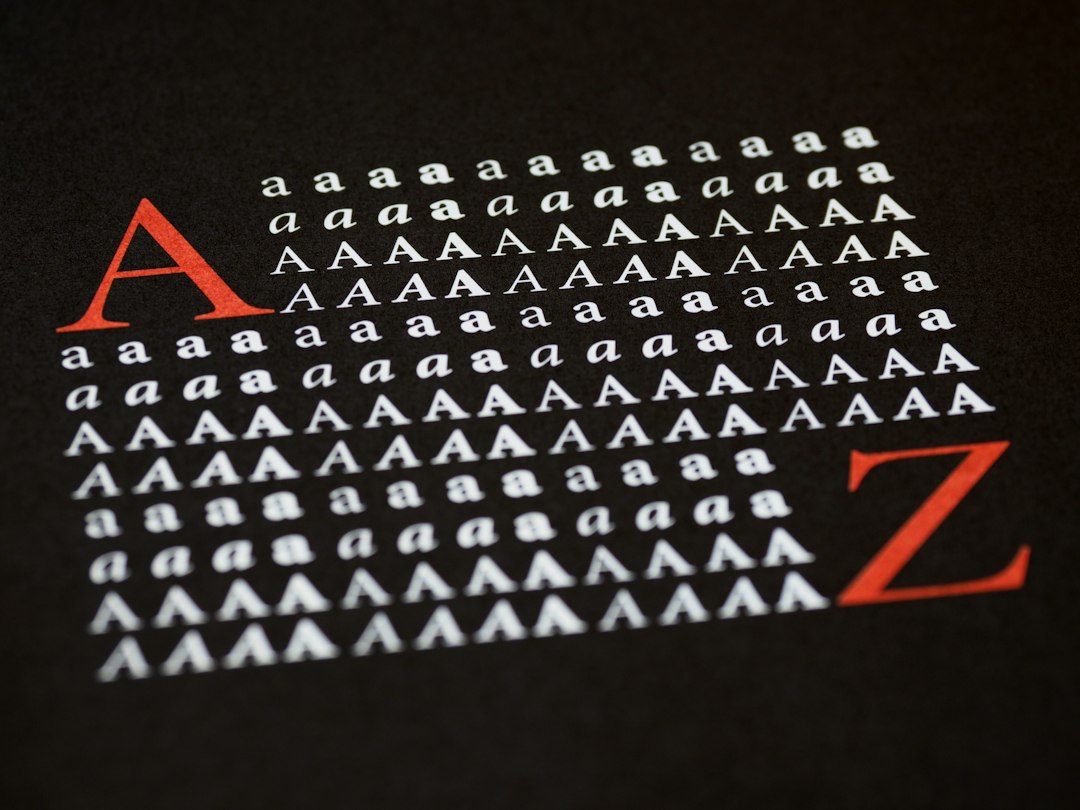
Aa
A historical-serif spirit — scholarly and inventive. (Specimen set in Cormorant Garamond, a historical-serif STAND-IN; NOT the Aquila logo or Nylgut mark.)
How an instrument is made
Aquila stands for the ancient gut string, reinvented.
Aquila is a lesson in how reinventing an ancient material can be an identity. A Nylgut-ivory palette, a historical serif and a reinvented string make one thing — the gut-string reinventor — the whole identity: historical, Italian and inventive. The Nylgut material is the differentiator, and the historical-string research is the meaning. The point is a maker who looked at the oldest string material there is — animal gut — and engineered a synthetic that behaves like it, without the fragility, for a new generation of ukulele and classical players.
Put to work, the identity is reinvention, honestly told, as design. A maker in this spirit would study the old material, engineer its successor, and keep the making at home — natural gut and Nylgut, historical-instrument research, made in Italy. A brand learning from it would see that reinventing a material is a durable identity — that a string that carries gut’s behaviour into a modern polymer holds a place a generic string cannot — and that being precise, founded 1991 by Mimmo Peruffo, Nylgut patented 1997, made in Italy, founder-owned, keeps the story honest. Aquila deepens the round’s natural-to-synthetic thread with its longest view: where the reed makers replaced cane and the drumhead makers replaced calfskin, Aquila replaced gut — a material as old as stringed instruments themselves — and did it out of historical research rather than pure industry. It also holds the independent pole: a founder-owned Italian house against the round’s group-owned makers. The discipline is in the claims: dating the company to 1991 and the material to 1997, and softening “largest” to “a market leader,” is what keeps a reinvention story honest. The lesson Aquila teaches is that reinvention can hold an identity: the Nylgut gives it substance, and the historical research keeps it credible. The reinvention is the personality, and the Nylgut string is the proof.
For designers and brand-builders, Aquila holds the reinvention pole in how an instrument is made, from Italy: study the old material, and engineer its successor. The lessons: learn the history; build the modern equivalent; make it at home; date your company and your material separately; and never reproduce a logo or trademark. It is also a reminder to stay precise: Aquila is the Italian string maker founded by Mimmo Peruffo in 1991, whose Nylgut synthetic material reinvented the gut string, made in Italy near Vicenza — with the palette here an unofficial interpretation. Aquila made a reinvented material the identity — proof that an ancient part, remade, can be the difference.
Explore & save
Keep Aquila’s identity on hand — save it to a board in the Made Good inspiration library.
Aquila identity set
Pin the Nylgut-ivory palette and the historical-serif register to your own board.