Woodworm Brand Guidelines
A bat named after its damage.
Aa
Two constants: a willow-green palette and a loud-display register. Abstract homage — not a Woodworm product or mark; no bat or sticker is reproduced.
A father, a knife and an old bat
Woodworm is the only bat brand named after a defect.
The story was told in 2005 by Institutional Investor, and earlier by Cricinfo. In the summer of 2001, a father — Cricinfo calls him Bob — found woodworm damage in his son Joe Sillett’s old bat and carved the eaten wood away from the shoulders. Joe went out and scored 142 not out with it. The shaved-back bat became a prototype, and the defect became the brand: Woodworm.
It is a brilliant name for a cricket brand and an alarming one for a woodworking business. The register shows the company incorporated on 24 October 2001 as The Woodworm Cricket Company Limited, with Jonathan Mark Sillett as a director. Its bats carried what Institutional Investor called “trademarked recessed edges” — a design idea taken straight from that first carved bat. Its early models were called the Wand and the Wizard.
Then came the money. A former Citigroup executive, Michael Hiard, joined as chairman and full-time in August 2004, the same profile reported, and sales rose from 200 bats in 2002 to more than 15,000 in 2005 — growth Hiard called, in his word, “unbelievable.” We report those figures as the magazine gave them.
Colour
The bats were made by Hunts County. The faces were Flintoff’s and Pietersen’s.
Woodworm did not make its bats. Cricinfo’s 2002 profile says Bob Sillett chose Hunts County Bats — “unwittingly makers of the prototype,” a phrase that implies Joe’s original bat had been one of theirs — to build them. Hunts County says it has been making bats since 1904, when the Trimmins family began at St Neots; a twenty-first-century brand was built on a workshop nearly a century older, whose own slogan is “bats made for centuries” and which says it supplies more than twenty thousand bats a year. That makes Woodworm a clean example of this round’s theme: a brand built on a story and a sticker, with the bat made by an established English workshop. Our Hunts County guide tells the maker’s side.
The brand needed faces, and got two of the most famous in English cricket. After a launch in May 2002, Cricinfo reported in January 2003 that Andrew Flintoff and Muttiah Muralitharan had signed for Woodworm; a Flintoff signature model, the “Woodworm Flame,” followed. Kevin Pietersen joined too. Flintoff carried the name through the celebrated 2005 Ashes summer, which put Woodworm on the face of the most-watched English bat of the decade. Today’s ICC rules reserve the top nine inches of a bat’s face for the manufacturer’s marks, and the Laws cap any such identification at 0.02 centimetres thick — the thinnest and, for a brand like Woodworm, the most valuable layer on the bat.
The company spread its bets. In April 2006 it moved into golf clothing with a five-year deal with Ernie Els, and the same year renamed itself simply Woodworm Limited. Officers came and went: Hiard left the board in November 2007. In October 2008 Cricinfo reported that Pietersen and Flintoff had left the brand — reportedly on what had been described as lifetime deals worth more than £1 million each — and Pietersen signed with Adidas.
Typography
Administration in October 2008. A buyer within a fortnight. Dissolution in 2013.
The register is precise about the end. Woodworm Limited entered administration on 28 October 2008. By 11 November 2008, Golf Business News reported, The Sports HQ had “completed the purchase of Woodworm, the cricket bat and golf company,” moving operations from Sussex to Alvechurch, near Birmingham; its chief executive, Simon Millington, said he was “thrilled to have added a prestigious brand such as Woodworm.” The original company moved to creditors’ voluntary liquidation in April 2010 and was dissolved on 22 October 2013.
That sequence — company into administration, brand sold almost immediately, old company wound up years later — is a common British pattern when a name is worth more than the business behind it. We report it as the record shows it, and draw no wider conclusion about why the company failed. The departure of its two most famous players in the same month is a matter of record; the connection, if any, is not.
Woodworm sits at one end of this round’s spectrum. MRF and CEAT are vast companies for whom a bat sticker is marketing. Woodworm was a small company for whom the sticker was the business — and when the company failed, the name was what a buyer took. A year later another young English brand, Mongoose, launched a radical bat with star backing and contract makers, and followed a strikingly similar path.
There is one more trace of the original idea in the public record. A UK patent application titled simply “A cricket bat,” GB2382309A, is associated with the brand; we were not able to confirm its inventors from the document itself, so we note it and go no further. The carved shoulders, the recessed edges and the name were the invention. The willow, the pressing and the shaping were Hunts County’s. One of its bat makers told the BBC in 2010 what that feels like: “They’ve got somebody else’s stickers on but you know deep down that you’ve made the bat.”
Aa
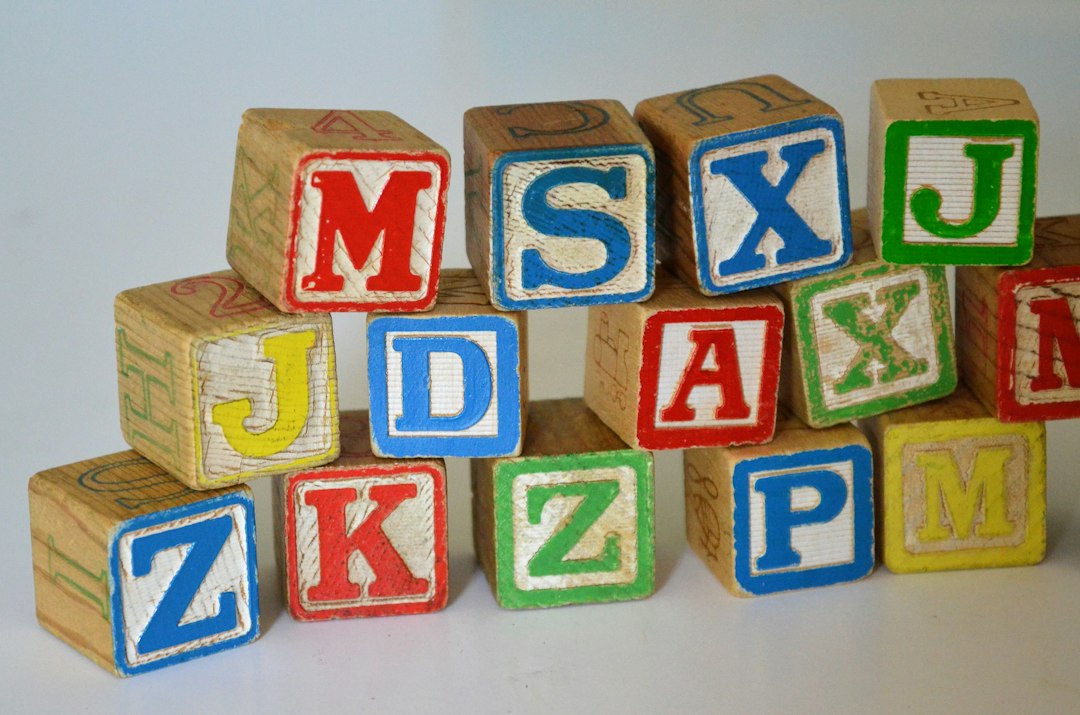
A loud, blocky display face — made to shout from a bat face on television. (Specimen set in Bungee, a display STAND-IN; NOT the Woodworm logo or stickers.)
A defect as a promise
The name told a story every buyer could repeat.
Woodworm’s identity was its name, and the name was a story: a father with a knife, a ruined bat, a hundred and forty-two not out. Few brands in any category have an origin so easy to retell, and fewer have turned a flaw into a feature so directly. The recessed edges on its bats carried the story into the product itself.
The lesson is double-edged. A great name and two great players built a brand very quickly; neither was a factory, and neither stayed. The name survived the company that made it famous, sold within a fortnight of administration — which says what the market thought was worth keeping.
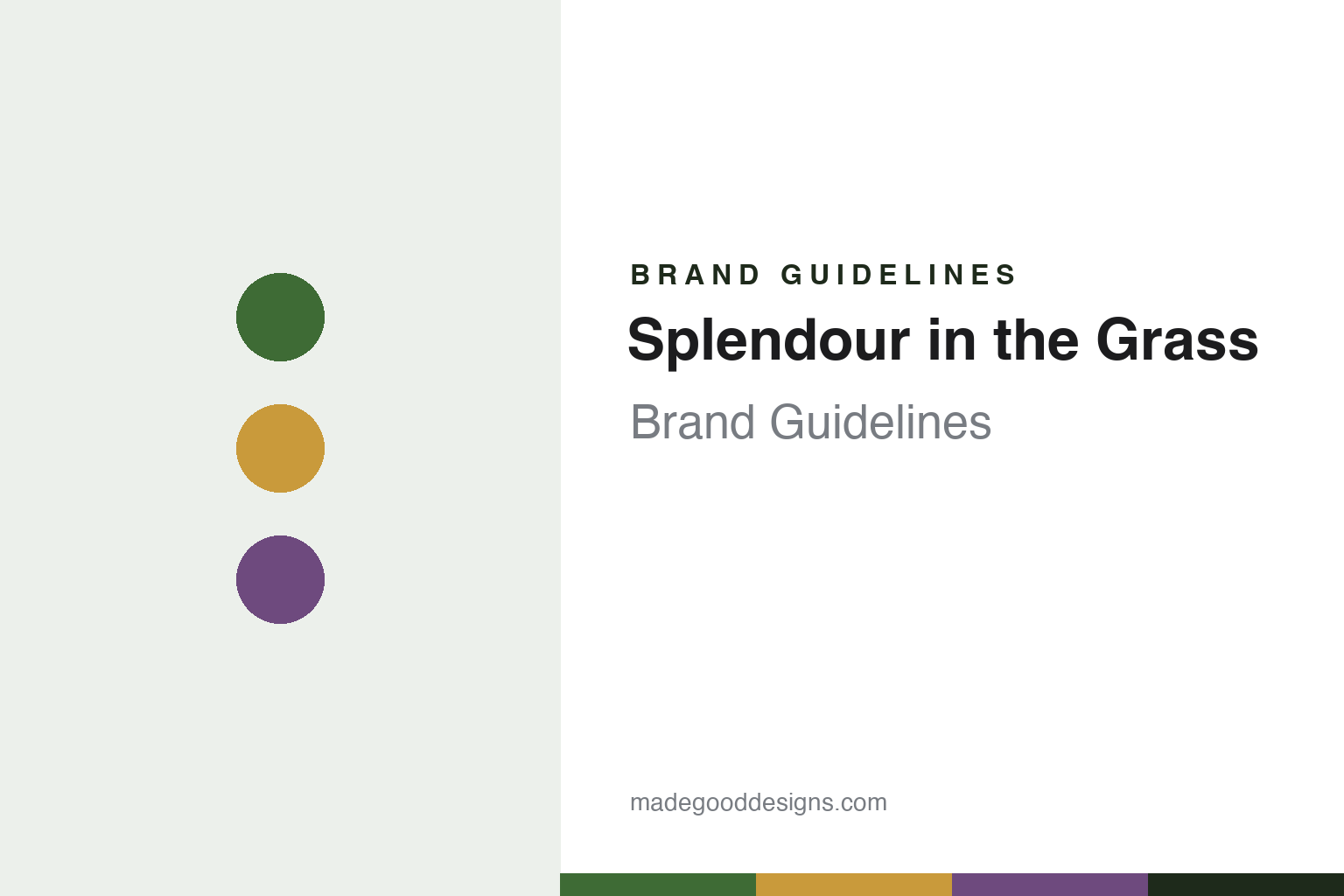
For this guide we use a willow green and a flame yellow with a loud display face, a nod to the bright, sticker-led style of the mid-2000s bat. These are an unofficial interpretation — we could not verify Woodworm’s own colours from a reliable source — and nothing of its mark or stickers is reproduced.
Explore & save
Keep Woodworm’s identity on hand — save it to a board in the Made Good inspiration library.
Woodworm identity set
Pin the willow-green palette and the loud-display register to your own board.