Bohemia Brand Guidelines
The Monterrey pilsner named after a Czech region.
Aa
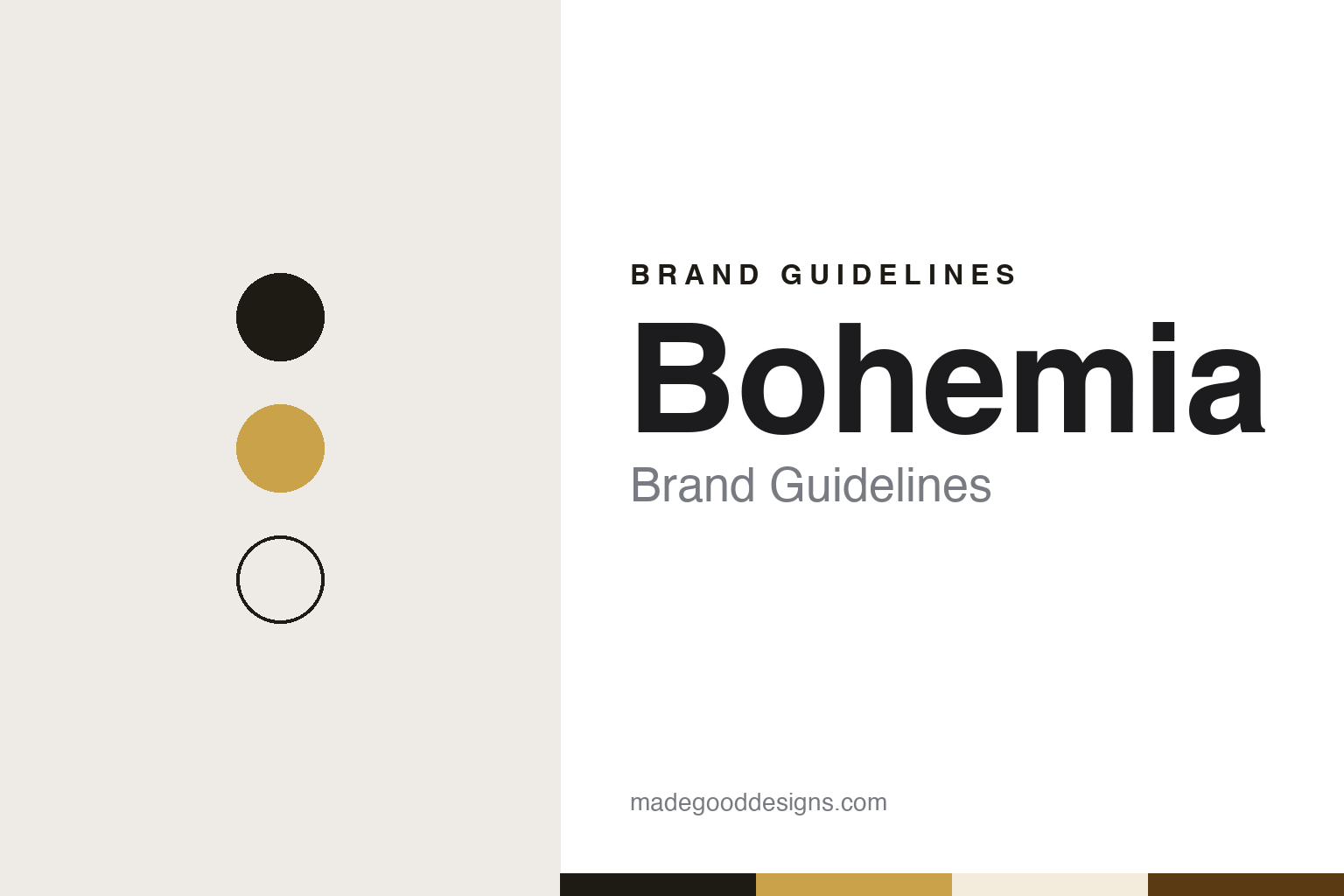
Two constants: a Bohemia black, gold and cream palette and a classic serif register. Abstract homage — not a Bohemia product or mark; no bottle, label or logo is reproduced.
Monterrey, 1905
A brewmaster’s assignment in an industrial city.
Bohemia comes from Cervecería Cuauhtémoc, the brewery founded in Monterrey, in the northern state of Nuevo León, in 1890. Spanish and English Wikipedia list its founders slightly differently, but both name a group of Monterrey businessmen that included Isaac Garza Garza, José A. Muguerza, Francisco G. Sada and Joseph M. Schnaider. English Wikipedia says the brewery started with the Carta Blanca brand and produced its first barrel in 1893; the Spanish entry adds that Carta Blanca took gold medals at the Chicago fair of 1893 and the Paris exposition of 1900.
Bohemia followed in 1905. The brand’s own history says the brewery set its master brewer the task of creating “the best Mexican beer,” and that the result was named after the Bohemia region of what is now the Czech Republic, a region English Wikipedia describes as known for beer. A 2013 profile in the food magazine Saborearte put it the same way: Bohemia was created to be the finest beer of what was then Cervecería Cuauhtémoc, using European hops from the Czech region. The brewery’s earlier website called it a golden pilsner made with Styrian hops, “considered one of the finest beers in Mexico.”
English Wikipedia, citing a guide to Mexican beer, calls Bohemia the oldest and most traditional pilsner in Mexico, and, citing the brewery, one of the longest-aged products of the Cuauhtémoc brewery. Its name is not unique: an unrelated Bohemia beer from Petrópolis, in Brazil, dates to 1853 and belongs to Ambev, Portuguese Wikipedia says.
Colour
A diagonal label and a growing family.
The brand’s timeline singles out one design date. In 1966, it says, Bohemia launched its diagonal label, “which would become the iconic identity of the brand,” and Spanish Wikipedia describes that label as the one still in use. Earlier, the brand says, in 1953 Bohemia received a “Star of Excellence and Cross of Honour” from an “International Food Institute”; we give that as the company’s account.
The family has grown around the original pilsner. The brand now lists five beers: Pilsner, Vienna, a Vienna-style beer the brewery earlier sold as Bohemia Oscura; Weizen, a wheat beer; Cristal, a lighter lager; and Noche Buena. Dates differ for Weizen: the brand gives 2008, while English Wikipedia, citing RateBeer, says it was released in summer 2011. The brand says a Chocolate Stout followed in 2011 as a limited edition, and the city magazine Chilango tasted the new Cristal in October 2021.
Noche Buena has its own story. Bohemia’s history says it began in 1924, when German brewmasters in Orizaba, Veracruz, made a small batch for friends and family; the brewery’s earlier website called it the first bock-style beer made in Mexico. It is a seasonal beer, sold around Christmas, and English Wikipedia says its bottles and cartons are decorated with the poinsettia, the noche buena plant. English Wikipedia says Noche Buena came into the company with the Moctezuma merger described below; the brand now lists it in the Bohemia family.
Recognition abroad has been modest but documented. In April 2013 Saborearte reported that Bohemia had won two bronze medals at the New York International Beer Competition, in the Bohemian-style and German-style pilsner categories, in a field of more than 300 beers, ciders and sakes. Reynold Montemayor, Bohemia’s manager at Cuauhtémoc Moctezuma, told the magazine the award was a motivation to offer the world a Mexican beer, and Felix Palau of Heineken USA said the importer would keep promoting Bohemia at key events and venues in the American market. The brewery’s earlier website also pitched Bohemia for food pairing, saying the brand promoted the importance of beer in gastronomy.
Typography
Design and documentation.
The seven brands in this group are all Mexican beer brands: Modelo, Pacifico, Dos Equis, Victoria, Bohemia, Indio and Carta Blanca. Mexican beer brands in general sit at many different points in the trade, from names that began at a single regional brewery to names that now belong to much larger international brewing groups, and a single brand can be sold everywhere from a corner shop to a supermarket shelf.
A beer brand’s identity is usually carried less by a single product than by a label, a name and the bottle or can it comes in, because the company behind the name may have changed hands, moved its production or grown far beyond the place where it started. That makes the questions behind each name worth asking plainly: who started it, who owns it now, and where its beer is actually brewed and packed.
Each guide separates what independent sources record from what the company says about itself — its founding story, its owners over time, where its beer is brewed and how its labels and packaging have changed — and marks plainly what rests only on the company’s own word.
Aa
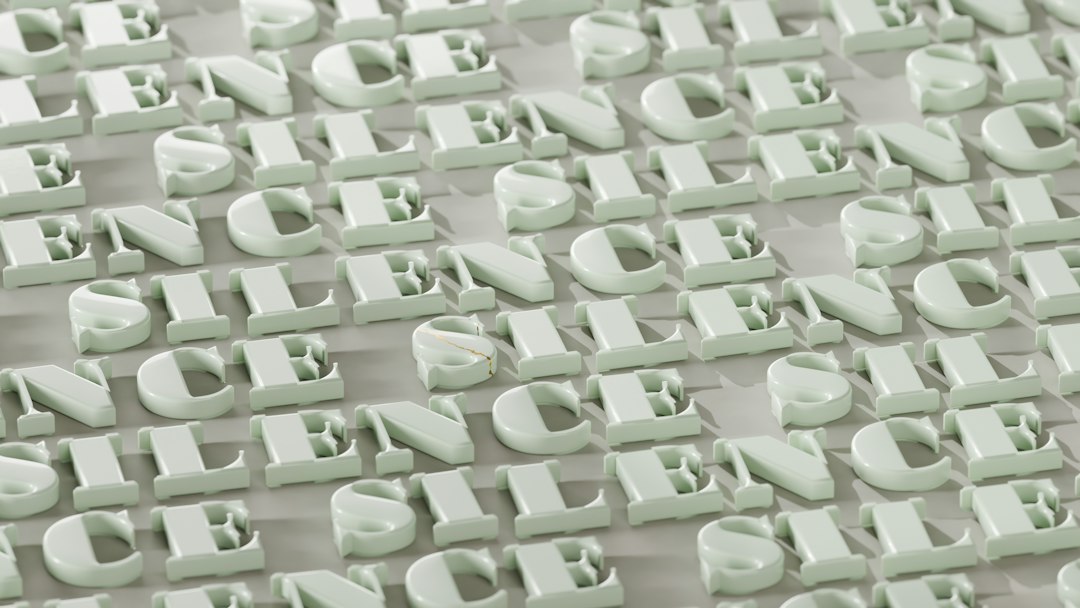
A classic serif — for a pilsner that dates its diagonal label to 1966. (Specimen set in Playfair Display, a serif STAND-IN; NOT the Bohemia logo.)
Bohemia
From Cuauhtémoc to Heineken.
Bohemia’s ownership follows its brewery’s. In 1985 Valores Industriales (VISA), the holding company of the Monterrey brewing families, took control of Cervecería Moctezuma of Orizaba, and in December 1988 the two businesses were merged as Cervecería Cuauhtémoc Moctezuma, Spanish Wikipedia says. That merger brought Dos Equis, Superior, Sol and Noche Buena alongside Carta Blanca, Tecate, Bohemia and Indio, English Wikipedia says. In 1988 VISA formed FEMSA as its main subsidiary; in 1994 FEMSA sold 22 per cent of its beer business to Canada’s Labatt, and after Labatt raised its holding to 30 per cent, FEMSA bought it back in 2004, Spanish Wikipedia says.
On 11 January 2010 Heineken announced it would acquire FEMSA’s beer business, including Cuauhtémoc Moctezuma, English Wikipedia says, citing BBC News; Spanish Wikipedia, citing BBC Mundo, says the business was exchanged for 20 per cent of Heineken’s shares, and El Financiero later dated the integration to May 2010. The company now presents itself as HEINEKEN México, and says it runs seven breweries and a malting plant. English Wikipedia lists the breweries as Monterrey, Guadalajara, Toluca, Tecate, Orizaba, Navojoa and Meoqui. In the United States, Heineken handles the brand; Saborearte reported in 2013 that Bohemia was distributed there by Heineken USA.
For a design guide, Bohemia shows how a borrowed place name and one label shape, the 1966 diagonal, can carry a brand for more than a century. Compare Carta Blanca, the brewery’s first beer, and Budvar, a brewer from the Czech region itself. For this guide we use black, gold and cream with a serif, an unofficial interpretation; no product or logo is reproduced.
Explore & save
Keep Bohemia’s identity on hand — save it to a board in the Made Good inspiration library.
Bohemia identity set
Pin the Bohemia black, gold and cream palette and the classic serif register to your own board.