Alko Brand Guidelines
Finland’s state alcohol retailer since 1932.
Aa
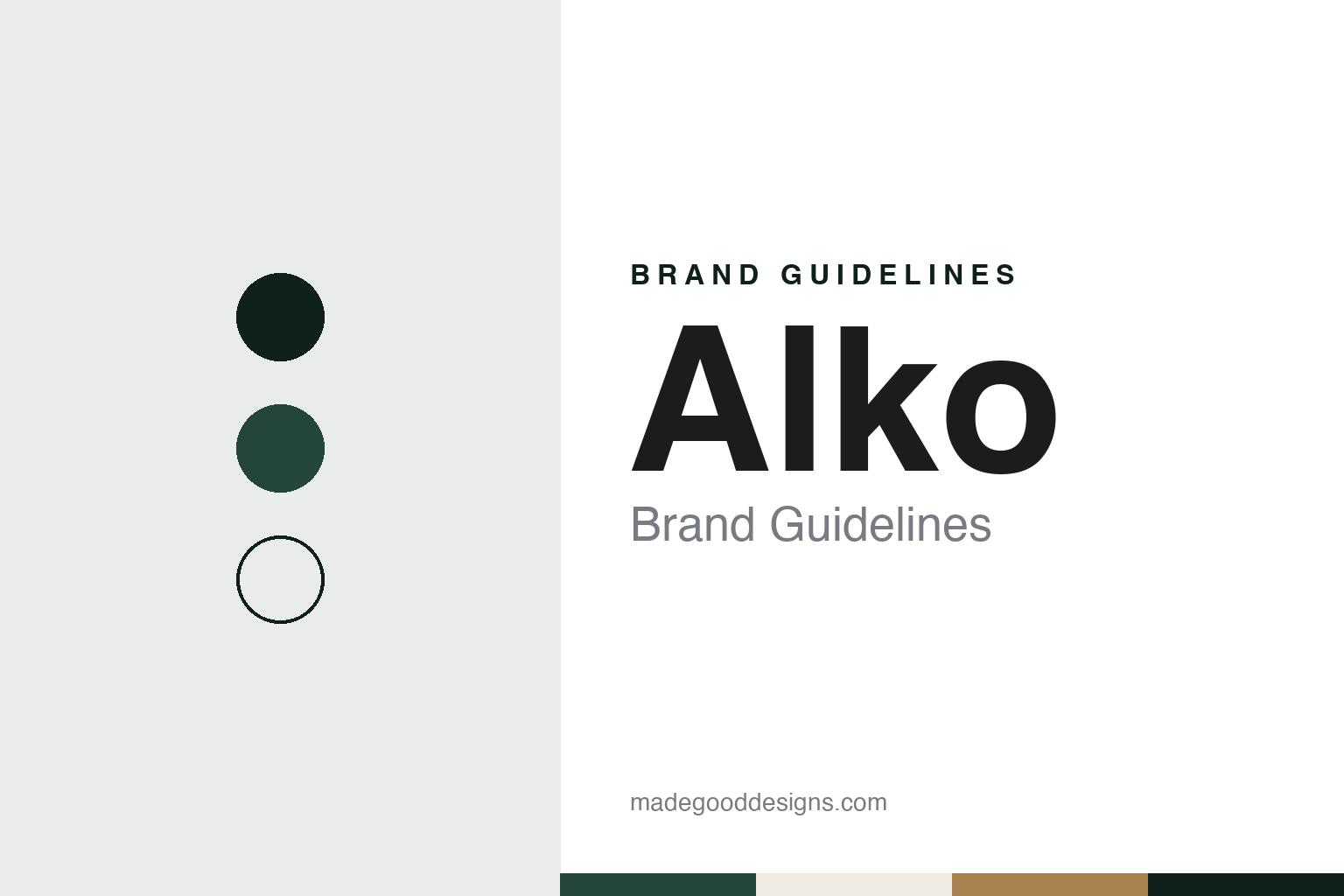
Two constants: a pine green, birch white and oak palette and a quiet serif register. Abstract homage — not an Alko product or mark; no shopfront, logo or label is reproduced.
Oy Alkoholiliike Ab
A state company born when prohibition ended.
Alko began as Oy Alkoholiliike Ab, the state-owned company set up when Finland ended prohibition in 1932. Finland’s prohibition law was passed in 1907 but came into force only in 1919, the historian Pekka T. Heikura wrote in the chemistry magazine Kemia-Kemi in 2007, summarising Alkon historia, the 511-page company history by Martti Häikiö published by Otava that year. After a consultative referendum, Parliament passed a new alcohol law, and the company was founded under it.
The first shops opened at ten in the morning on 5 April 1932, a date and time that, Kemia-Kemi noted, lives on as a quiz question in the form of the number sequence “543210.” On that first day 48 shops opened in Finland’s towns and in the market town of Rovaniemi; by the end of 1932 there were 81, plus 13 beer shops. Crowds formed outside the shop on Kaisaniemenkatu in Helsinki on opening day.
The company did not start from nothing. It inherited the property of the prohibition-era state alcohol agency, Valtion alkoholiliike: the Rajamäki works, a spirit plant at Ruokolahti and the Helsinki head office. The Rajamäki yeast factory and distillery dated from 1888 and had passed to the state agency in 1920, according to the history page of Altia, the drinks maker that later grew out of Alko’s production side. Alko’s first price list held about 300 brands, mostly imported French cognac and wine, English gin and Scandinavian aquavit; within months its own products, such as Jaloviina and Pöytäviina, joined the shelves. In 1933 Alko also set up its own restaurant company, Kansanravintolat Oy, the taxpayers’ magazine Taloustaito wrote in 2017.
The war years changed the company’s work. In September 1938 Alko approved a new potato distillery at Koskenkorva, in Ilmajoki; because of the Winter War its completion was postponed until the spring of 1941, Altia’s history says. In 1943, Kemia-Kemi recorded, Alko introduced a buyer’s card, the viinakortti, which stayed in use until the end of 1970.
Colour
From a shoemaker’s initials to bilingual shelves.
The Alko name has an unexpected source. According to Kemia-Kemi’s 2007 account of Häikiö’s history, the company’s business mark began in the city of Viipuri (Vyborg), where a shoe manufacturer, Alpo Kolehmainen, had formed a trademark from the first letters of his name; it appeared on the soles of his shoes. When the shoe business closed, the mark passed through the manufacturer and consul Mikko Vilska to the newly founded alcohol company in April 1932, and Alko soon became one of Finland’s most familiar brands.
The early shops were designed to discourage lingering. Kemia-Kemi says they were built on purpose to be “bleak and forbidding,” and that their general colour was a sombre dark green. Service was over a counter: at the Keskuskatu shop in Helsinki in 1933, a customer placed an order at the till, paid, received a receipt and then collected the goods from a clerk.
Today’s shops look very different. In a shop-floor report published by the Hungarian retail magazine Trademagazin on 30 July 2025, the retail analyst Sebastian Rennack described an Alko store at the Jumbo shopping centre with a clean entrance, no window displays and a calm, spacious layout. Overhead signs are bilingual in Finnish and Swedish, Finland’s two official languages, and in places trilingual with English; ceiling and wall signs mark departments, countries of origin and packaging types.
The report notes other details of the shop design: limited wines shown under an Erikoiserä (Special Edition) label, chalkboard-style signs for seasonal displays, and shelf tags in custom wooden holders carrying tasting notes, food-pairing icons and QR codes. Bag-in-box wines have a dedicated area, and a display comparing packaging formats carries the line “Packaging is not a matter of taste. It’s a climate matter.” Trademagazin says Alko is known in Finland as the “nation’s sommelier.”
Typography
Liquor, beer and wine store chains.
Liquor, beer and wine store chains sell much the same goods, so they rely heavily on what sits around the bottles: the shop sign, the logo, the colours on the fascia and the bags, and the layout inside. The chains in this guide come from Australia, Finland, Canada, France and the Netherlands, and they show how differently that job can be done, from a founder’s portrait on the sign to a set of initials or a plain public-service name.
Store formats vary as much as the signs. At one end are large warehouse-style stores that draw shoppers from a wide area; in 2005 the wine writer Chris Shanahan described Dan Murphy’s stores in Australia as “prairie-like” spaces. At the other are neighbourhood shops beside supermarkets, smaller premium “cellar” stores and, in Australia, drive-through outlets, which BWS said in 2021 numbered 220 in its own fleet.
Ownership shapes the identity too. Some chains in this guide are state or provincial retailers owned by the public sector; others belong, or have belonged, to supermarket groups, as Dan Murphy’s and BWS did under Woolworths before the 2021 listing of Endeavour Group; others again trade as franchises under a shared name. Own-label ranges, tastings, delivery services and loyalty schemes, such as Dan Murphy’s My Dan’s, are part of the brand, and each company names them in its own way.
Most of these chains publish their own histories, on corporate or careers pages that name founders, first shops and owners. This guide uses those pages as the companies’ own accounts, sets them beside independent press and registers where it can, and describes colours and lettering in words; the palettes shown here are an unofficial interpretation, not the companies’ own.
Aa
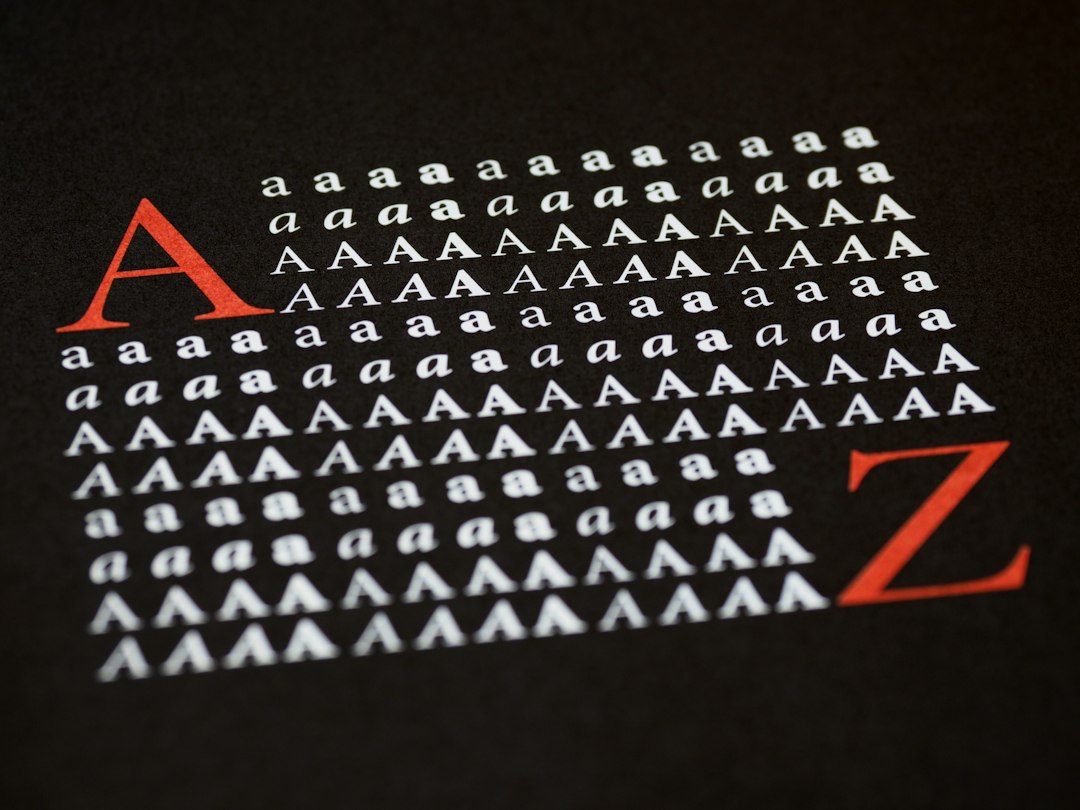
A quiet serif — the register of a shelf tag and a wine list. (Specimen set in Fraunces, a serif STAND-IN; NOT the Alko logo.)
Alko Oy
From a three-part monopoly to a retail chain.
For most of the twentieth century Alko held exclusive rights to make, import and sell alcoholic drinks in Finland. The first big change came in 1969, when the sale of medium-strength beer moved from Alko’s shops to grocery stores, at Alko’s own wish, Kemia-Kemi reported, and new Alko shops opened in rural districts.
The second came with European integration. Finland joined the European Economic Area in 1994 and the European Union in 1995; Alko’s production, import, wholesale and restaurant monopolies were removed, leaving only the retail monopoly. From 1995 the business was run as a group, Alko-Yhtiöt Oy, made up of three companies: Alko for retail, Primalco for drinks production and Arctia for hotels and restaurants. In 1999 the state split the group into three independent companies. The retailer, Alko Oy, stayed under the Ministry of Social Affairs and Health, while Primalco and the distributor Havistra became Altia Group, named Altia Oyj from 2002, Kemia-Kemi says. Altia’s own history gives the same year for its separation from Alko.
Alko remains state-owned and operates under the Ministry of Social Affairs and Health. Trademagazin reported in July 2025 that it ran more than 369 shops and more than 110 order pick-up points across Finland, with about 11,000 products online and between 500 and 2,500 in each shop, depending on location; the shops close on Sundays. The rules around it have changed twice in recent years: a reform in 2018 raised the strength of drinks that grocery shops may sell from 4.7 to 5.5 per cent, and from June 2024 supermarkets were allowed to sell fermented drinks up to 8 per cent, the magazine said.
For a design guide, Alko shows how a state retailer can turn a borrowed set of initials into a national name and replace the sombre shops of the 1930s with calm, bilingual, signposted stores. Compare Systembolaget and Vinmonopolet, the Nordic retail monopolies of Sweden and Norway. For this guide we use pine green, birch white and an oak brown with a serif, an unofficial interpretation; no product or logo is reproduced.
Explore & save
Keep Alko’s identity on hand — save it to a board in the Made Good inspiration library.
Alko identity set
Pin the Alko pine green, birch white and oak palette and the quiet serif register to your own board.
Source & notes
Frequently Asked Questions
What font can I use to match the Alko look?
This guide describes Alko’s type as “A quiet serif — the register of a shelf tag and a wine list”. Its type specimen is set in Fraunces from Google Fonts as a stand-in; Fraunces is not Alko’s own lettering.
What colours are in the Alko palette?
This guide’s Alko palette is Pine green #24453A, Ink #0F1F1A, Birch white #EFEBE3, Oak #A8814E and Paper #F8F6F2. The tones are the guide’s own unofficial interpretation, not official Alko hex codes.
When was Alko founded?
Alko was founded in 1932 (as Oy Alkoholiliike Ab), in Finland.
Who owns Alko?
Alko is owned by Finnish state. This guide dates Alko to 1932 (as Oy Alkoholiliike Ab), in Finland.