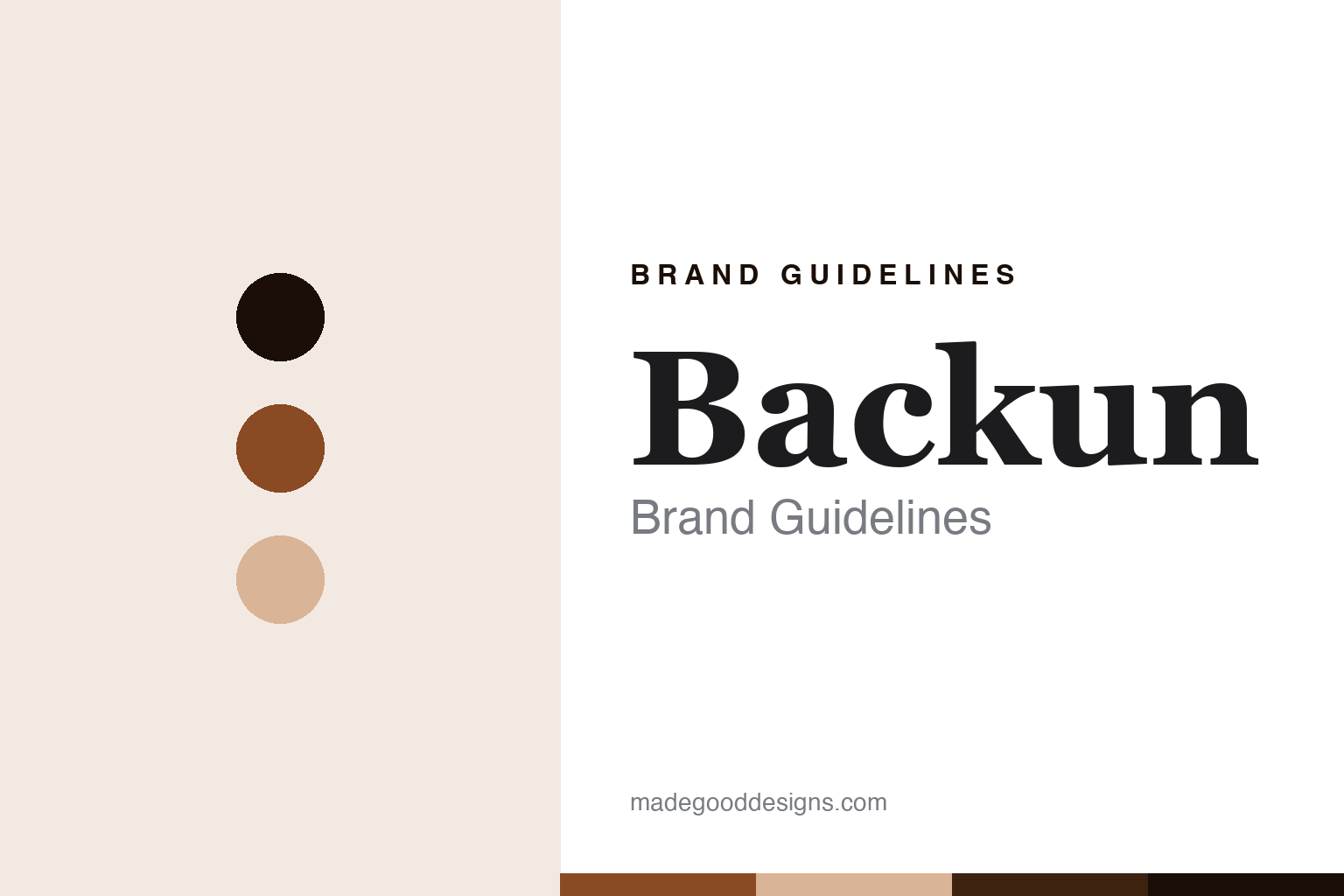
Backun Brand Guidelines
The modern clarinet.
Aa
Two constants: a cocobolo palette and a clarinet-serif register. Abstract homage — not a Backun clarinet, keywork or mark.
The modern clarinet
Backun is the Canadian clarinet maker founded by Morrie Backun in 2000, building its clarinets in North America, part-owned by the US Eastman Music Company since 2017.
Backun is the round’s clarinet maker, and it is a modern, engineering-driven one. From Burnaby, near Vancouver, Backun makes professional clarinets and the barrels, bells and mouthpieces that go with them. Its answer to how a house becomes a name is materials and precision: rethink the clarinet with modern tonewoods and modern machining, starting from the barrels and bells that change how it plays. A Canadian clarinet, built with a modern hand.
Its identity is the modern clarinet. Backun’s North-American-made clarinets, its tonewood range and its engineering-driven design are the work it is known for. A clarinet, made modern. A house that started with the barrel.
(Honest notes, so the story stays precise. Backun — Backun Musical Services — was founded in 2000 by Morrie Backun, a clarinettist, in Burnaby, British Columbia (part of Metro Vancouver, so we say “near Vancouver,” not Vancouver proper); Morrie Backun is a living individual described from public facts. On what it makes, it is professional, intermediate and student clarinets plus barrels, bells and mouthpieces, using grenadilla and alternative tonewoods such as cocobolo, and modern methods including CNC machining and 3D tools. On where it is made — a theme of this round — Backun states its clarinets are “made in North America” at its Canadian (Burnaby) facility; it does not publicly break down manufacturing by model line, so we do not claim that any specific student line is made overseas — that split is unverified, and we say only what the company states. On ownership — an important, honest point — Backun is not a wholly independent, founder-owned firm: since January 2017 the US-based Eastman Music Company has held a partial ownership stake, so we describe it as founder-started but part-owned by Eastman, and we do not detail the exact split or Morrie Backun’s current role, which are not public. Its name and marks are IP, described but never reproduced, and there is no official brand hex; these tones are an unofficial interpretation. This is design commentary and does not promote any product.)
Colour
Backun lives in a cocobolo palette. Click a swatch to copy the hex.
Backun’s identity is modern, precise and material — a cocobolo, an ink, a grain, a blackwood, and a paper. The palette leans cocobolo and blackwood: the register of grenadilla and cocobolo tonewoods and a machined workshop. It signals materials and engineering over tradition. The honest caveat: with no published brand hex, these values are an original, unofficial interpretation, not first-party colours.
The lesson is a cocobolo palette signals a modern, tonewood-driven identity. Backun’s world is a modern, wooden, precise object. For designers, it is a reminder that a warm cocobolo and a dark blackwood can carry a house built on tonewood — the reddish grain of cocobolo and the near-black of grenadilla. Because these tones can fail as small text, keep type dark and let the colour live in the accents, palette and band. The takeaways: rethink with materials; machine with precision; be honest about ownership; and treat any single hex as unofficial.
Typography
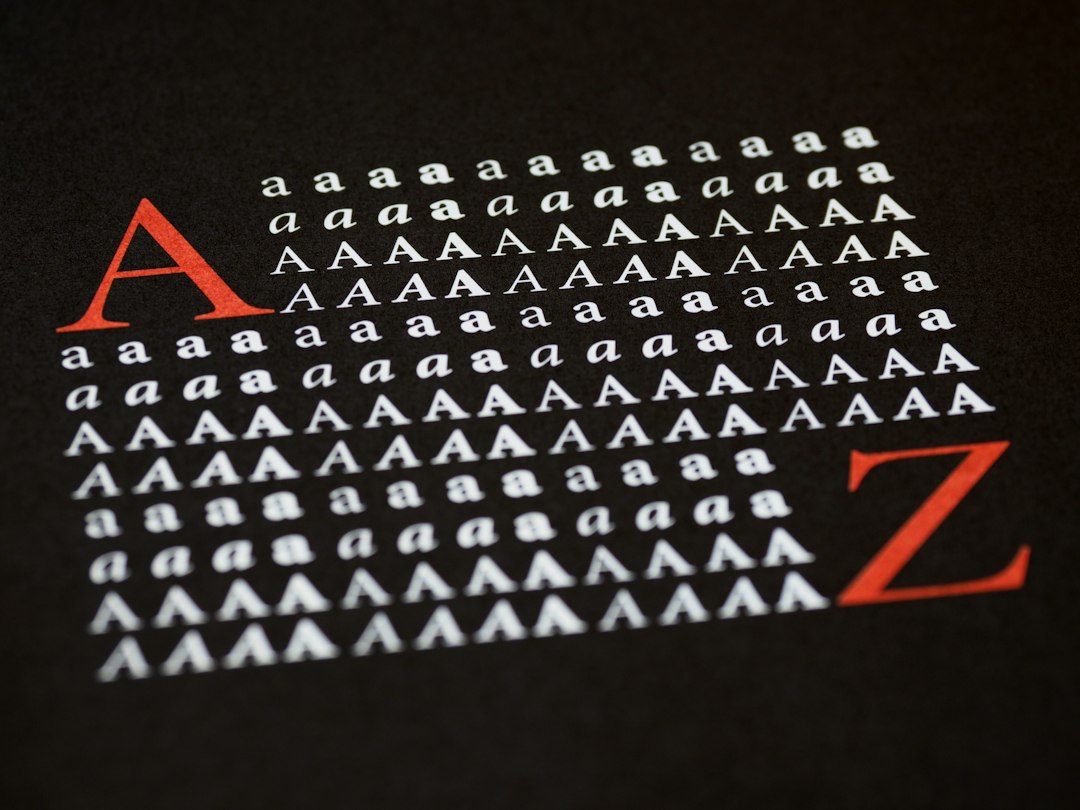
The register is a clarinet serif — refined, modern, precise.
Backun’s identity carries a refined, modern, precise spirit — an engineering-driven clarinet house, not a fashion label. A clarinet serif captures the mood: elegant, exact and contemporary, the register of a maker that rethought the instrument. Set in a cocobolo palette, the clarinet serif feels refined and modern — exactly the personality Backun carries. It is a modern craft rather than a runway, mirroring a professional clarinet. (Backun’s real logo and model-line marks are things we describe but do not reproduce, and the exact typeface is not ours to use.) Because it is not ours to use, the honest description is “a clarinet-serif spirit,” shown here in a stand-in. The type behaves like the house: refined, modern and precise.
Aa
A clarinet-serif spirit — refined and modern. (Specimen set in Playfair Display, a clarinet-serif STAND-IN; NOT the Backun logo or keywork.)
The new makers
Backun stands for the clarinet remade with a modern hand.
Backun is a lesson in how modern materials and engineering can be an identity. A cocobolo palette, a clarinet serif and a professional clarinet make one thing — the modern clarinet — the whole identity: modern, precise and material. The tonewood range is the differentiator, and the engineering-driven design is the meaning. The point is a maker that came at a centuries-old instrument from the barrels and bells outward, brought modern tonewoods and machining to it, and built a contemporary clarinet house from a repair shop.
Put to work, the identity is materials and precision, honestly told, as design. A house in this spirit would rethink with materials, machine with care, and be candid about ownership — professional clarinets, grenadilla and cocobolo, made in North America, part-owned by Eastman since 2017. A brand learning from it would see that a modern, materials-led approach is a durable identity — that a clarinet remade with new woods and new tools carries an argument a traditional maker cannot — and that being precise, founded 2000 by Morrie Backun in Burnaby, made in North America, part-owned by Eastman, keeps the story honest. Backun carries the round’s ownership thread in its clearest new-maker form: it is a modern independent that took outside investment, the beginning of the same journey the last round’s heritage names travelled all the way to full acquisition — and the honest move is to name the Eastman stake plainly rather than trade only on the founder story. There is discipline, too, in the where-made: stating only “made in North America,” as the company does, rather than inventing a student-line split we could not verify. The lesson Backun teaches is that a modern approach can hold an identity: the materials and engineering give it substance, and the honesty about the Eastman stake keeps it credible. The modern hand is the personality, and the remade clarinet is the proof.
For designers and brand-builders, Backun holds the Canada pole in the new makers: rethink with materials, and be honest about who owns you. The lessons: innovate with materials and machining; start where you can change the sound; state your made-where as the company does; name outside investment plainly; and never reproduce a logo. It is also a reminder to stay precise: Backun is the Canadian clarinet maker founded by Morrie Backun in 2000, building its clarinets in North America, part-owned by the US Eastman Music Company since 2017 — with the palette here an unofficial interpretation. Backun made a modern hand the identity — proof that a clarinet remade with new materials, honestly told, can be the difference.
Explore & save
Keep Backun’s identity on hand — save it to a board in the Made Good inspiration library.
Backun identity set
Pin the cocobolo palette and the clarinet-serif register to your own board.